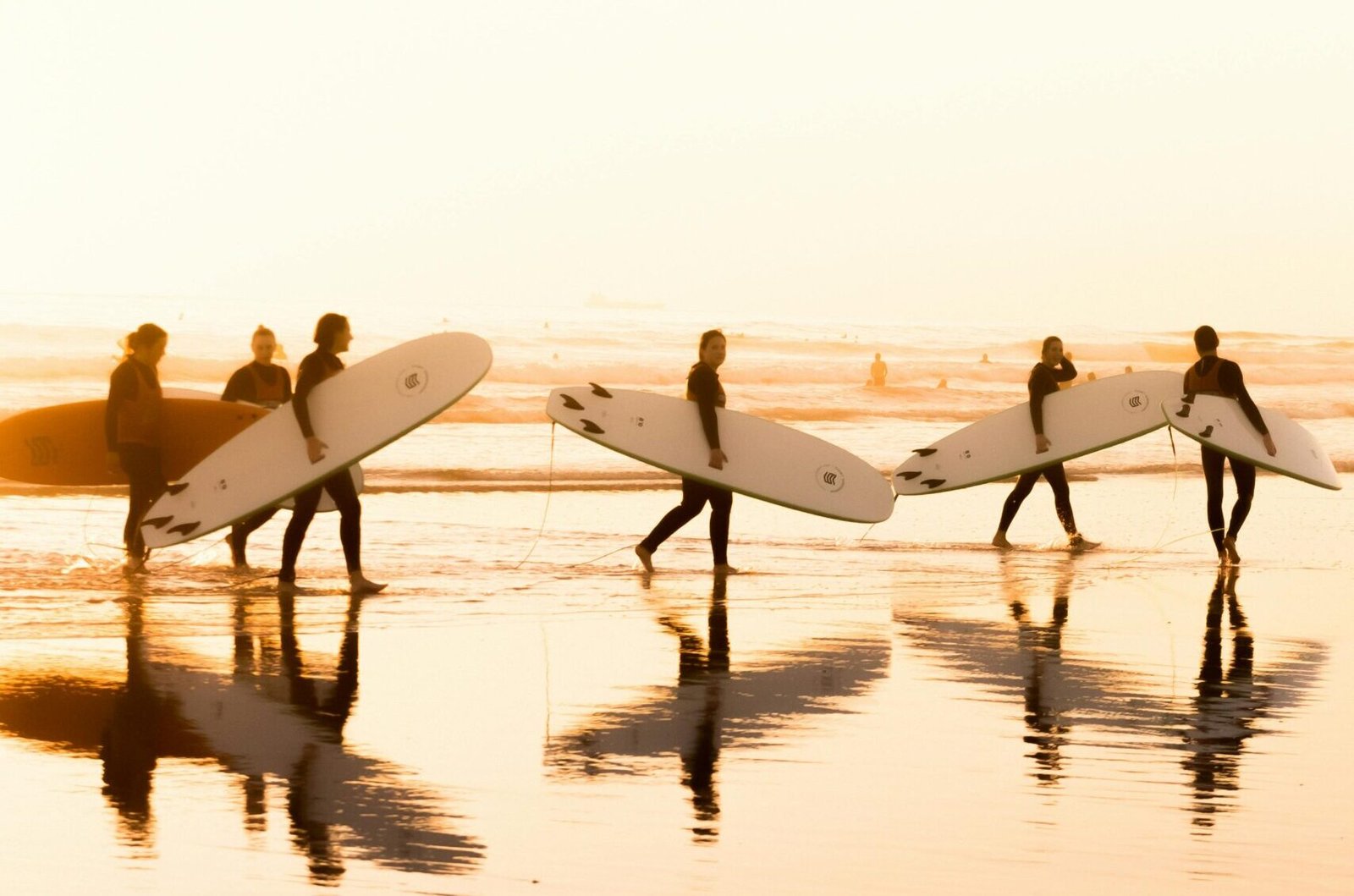


Imagine starting your day in Lisbon’s historic centre, then within 30-40 minutes you’re riding waves in the Atlantic. That is the unique appeal of surfing in Lisbon. This guide walks you through everything you need to know – where to surf, best seasons, how to get lessons, what gear to bring, and how our team at Sea & See can help you get the most from your surf trip.
Why Lisbon Holds a Unique Surfing Appeal
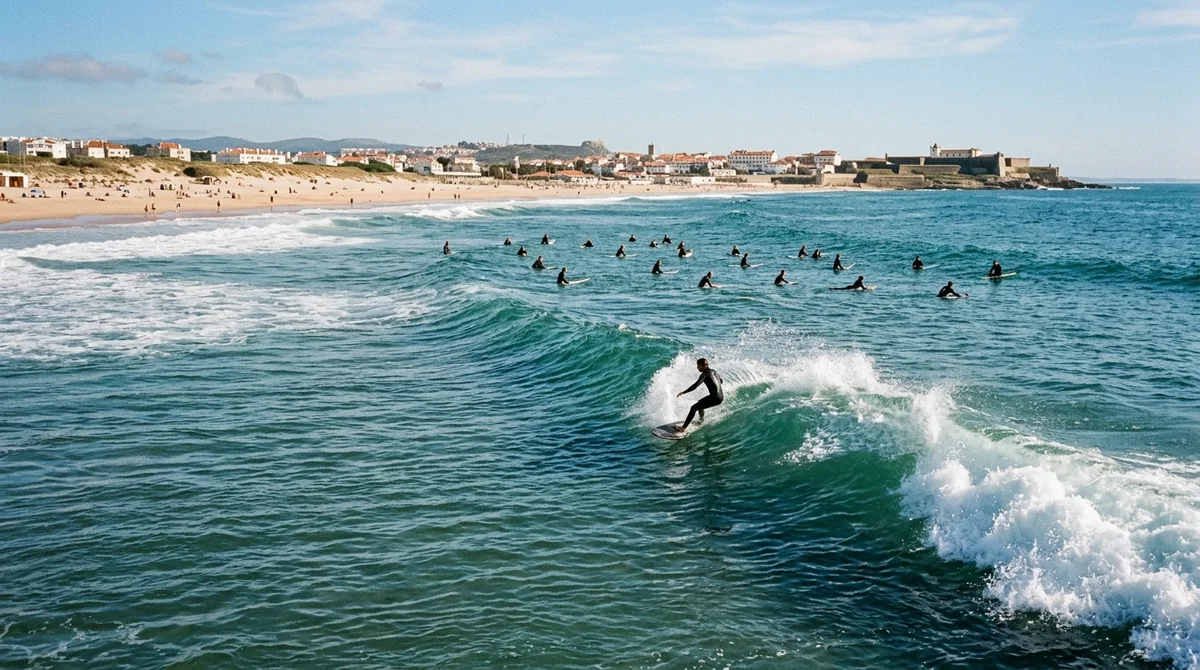
Lisbon is one of the few European capitals where surf beaches are easily reachable from the city centre. The north side of the Tagus River and the Atlantic coast bring a variety of beach breaks, point breaks, and reef breaks, making it suitable for different skill levels.
Because of good transport links, surf schools, rental equipment, and a supportive community, Lisbon is excellent for tourists who want to mix sightseeing and wave riding.
Top Surf Spots Around Lisbon
Carcavelos Beach
Located just about 20-30 minutes from Lisbon by train, Carcavelos offers reliable waves and one of the easiest access points for city visitors. It suits beginners through to intermediate surfers, although on large swells it can challenge more experienced riders.
Costa da Caparica
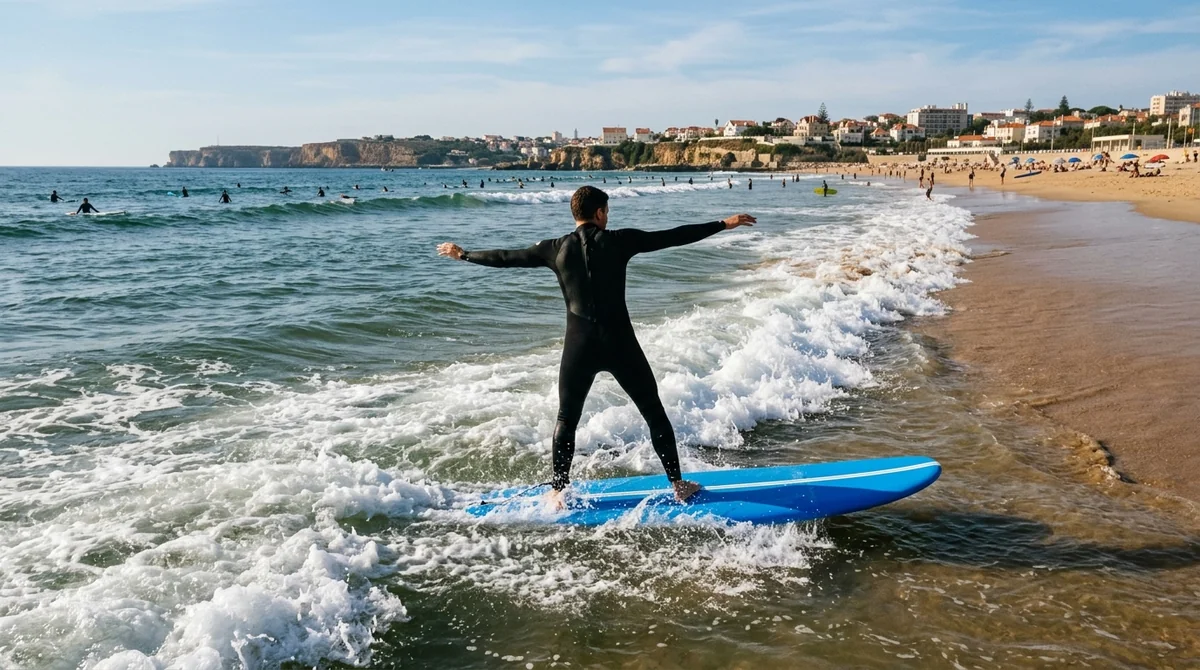
South of the Tagus, this long shoreline of 24 km gives many options for beach breaks. It’s popular with learners because the waves are often softer and there is space and surf schools.
Guincho Beach
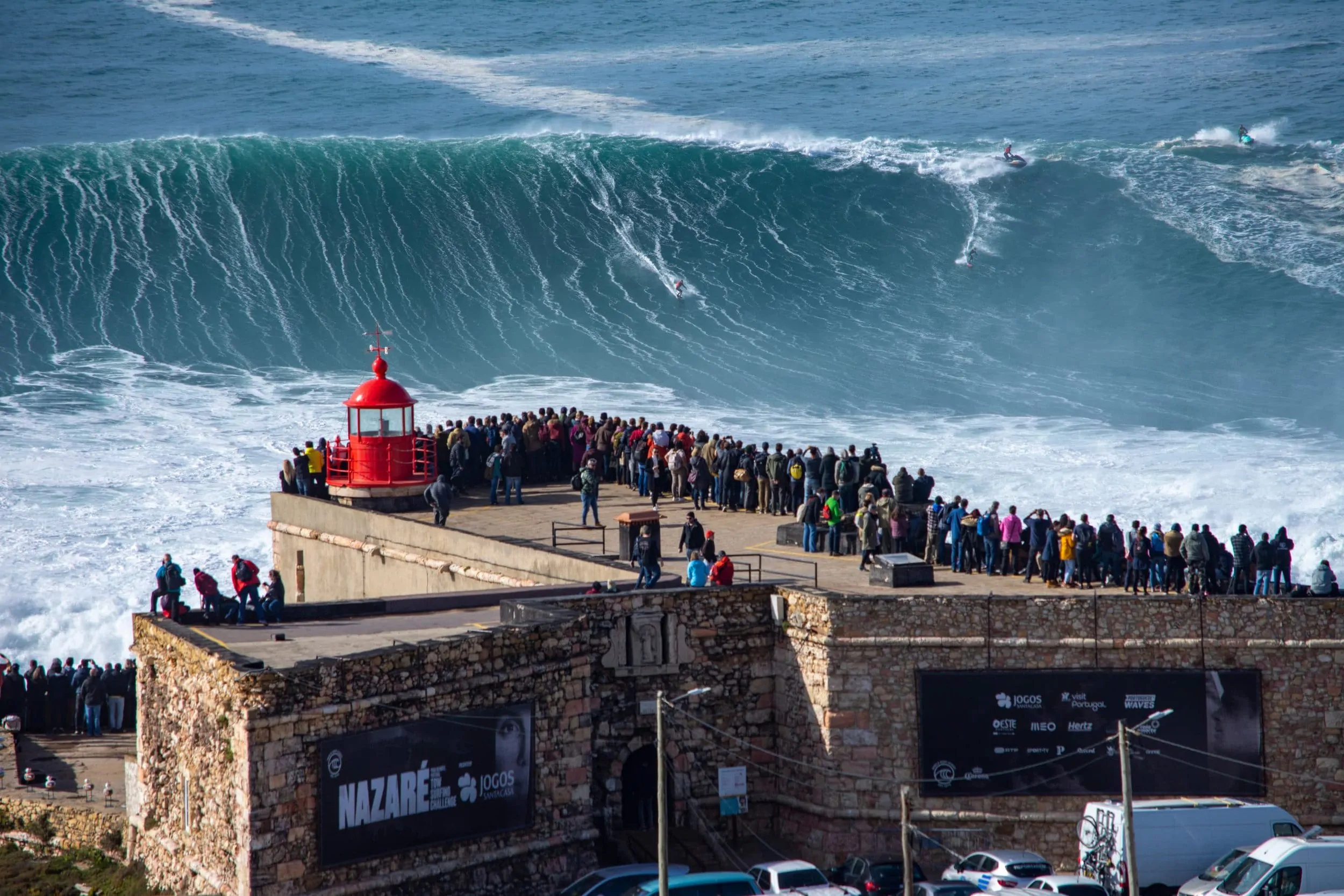
On the western edge of the Lisbon region, Guincho is more exposed to Atlantic swell. This makes it better for advanced surfers when conditions are strong. Beginners should approach with caution here.
Additional Spots
Other options include São Pedro do Estoril, Praia da Poça, Praia das Maçãs, and more. These are less crowded and can offer more relaxed sessions or alternate conditions.
When to Surf Lisbon: Seasons, Swells & Conditions
- Best for beginners: Late spring to early autumn (May to September). Waves are gentler, the weather is warmer, water temperature is more comfortable.
- Best for consistent swells: Autumn to spring (September to April). More Atlantic swell and stronger conditions for intermediate/advanced surfers.
- Water temperature: In winter, the water can drop to around 14-15 °C in some spots, so wetsuits are recommended.
- Crowd & wind notes: Train-accessible spots like Carcavelos fill quickly when the swell is good. Offshore wind (blowing from land to sea) improves waves; onshore wind tends to ruin them.
- Tide and swell orientation: West- and northwest swells work best on many Lisbon coastal breaks. Checking the forecast & local conditions helps.
How to Take Surf Lessons & What to Expect
If you are new to surfing or want to improve, lessons are highly recommended. Here’s what to expect and how to pick a good company:
- Certified instructors, small group size (or private) for better learning.
- Board & wetsuit rental included.
- Safety briefing: local conditions, how to paddle, how to stand up, how to read waves.
- You’ll likely try smaller breaks first, then step up when you’re ready.
- At Sea & See, we provide local instructors, daily condition-based spot choice, and equipment included, so you can focus on enjoying the wave and not logistics.
- Check that the school covers transport from Lisbon if needed, and that refunds or rescheduling are allowed if the surf is flat.
Gear, Safety Tips & Best Practice
- Always wear a wetsuit appropriate to the season and water temperature.
- Use a leash (board tether) and respect local lineup etiquette (no drop-ins, wait your turn).
- Be mindful of rip currents, especially on open beaches like Guincho. If in doubt, surf with a lesson instructor.
- Prepare for sun exposure, especially on south/lakesides. Water reflects light strongly.
- Pack water, sun-protection, and a change of clothing for after your session. Leaving boards to dry helps avoid damage.
- If you travel without your own board, ensure rental gear is in good condition (no big dings, leash is attached, fins intact).
Sample Day Surf & Explore Itinerary
Here is how you might plan a day in Lisbon combining city time and surfing:
- Morning: Explore historic Lisbon (Alfama, Bairro Alto, Mira do Santo Amaro)
- Late morning: Travel to surf spot (e.g., Carcavelos by train)
- Surf lesson or open session 1:00-2:30 pm
- Beachside lunch and rest
- Surf session 2:30-4:00 pm
- Return to the city, relax at sunset viewpoints or riverside cafés
If you prefer transport, gear sorted and local advice, our Sea & See Surf Lesson package covers this full rhythm so you just arrive, ride, relax and return.
Meet Your Surf Guide – Luís Perloiro
At Sea & See Tours, your surf session is led by Luís Perloiro, a local professional surfer and certified instructor with years of experience catching waves on the Portuguese coast. He lives and breathes surf, and his passion shows.
- Many clients describe Luís as “full of energy, patience, and pure passion for the ocean” when helping even first-time surfers stand up on the board.
- His surf lessons are designed to be safe, fun, and results-focused, whether you’re just starting out or refining your technique.
- With his local knowledge of swell, tides, and beach conditions around Lisbon and the Estoril coast, Luís knows exactly where and when to go to give you the best possible waves.
- Using quality gear, small groups, clear instruction in English, and a focus on personalized coaching, you’ll feel confident and supported from the first paddle to your first ride.
When you pick a surf lesson with Sea & See Tours, you don’t just get a board and wetsuit – you get access to expert coaching, local insight, and a fun session tailored by Luís to match your level, the conditions, and your goals.

Lisbon Surf Map
Frequently Asked Questions
Is Lisbon good for first-time surfers?
Yes, Lisbon has several beginner-friendly breaks, good surf schools, and plenty of support. Carcavelos and Costa da Caparica are excellent places for your first waves.
Can I surf in Lisbon and still do city sightseeing?
Absolutely. Because surf spots are so close to the city, you can mix a city tour in the morning and surf in the afternoon, or surf early, then explore in the evening.
Do I need to bring my own surfboard and wetsuit?
No, you don’t usually need to bring your own. Many surf schools offer rental boards and wetsuits. Unless you have special gear or preferences, you can rely on local rental.
Which spot should I choose if I’m intermediate or advanced?
If you are intermediate to advanced, consider spots like Guincho, which offer stronger swells and more challenging waves. For mellow conditions, choose Carcavelos or Costa da Caparica depending on swell and wind.
What is the cheapest way to travel to a surf spot near Lisbon?
Use Lisbon’s local train services (e.g., Cais do Sodré to Carcavelos), which are affordable and regular. Avoiding peak traffic car travel may save both time and stress.
Final Thoughts
Surfing in Lisbon is more than just catching waves. It’s about the rare mix of city culture, accessible ocean, local surf community, and great transport links, making the experience seamless. With the right timing, spot choice, and guidance, you can enjoy a fantastic surf trip even if you’re based in Lisbon for only a short stay. If you’d like to book a surf lesson, check out our Sea & See packages and get ready to ride, enjoy, and explore.


-

FULL DAY PRIVATE TOUR - WINE TASTING + SESIMBRA & ARRÁBIDA NATIONAL PARK
From €95.00 per personBook Now