

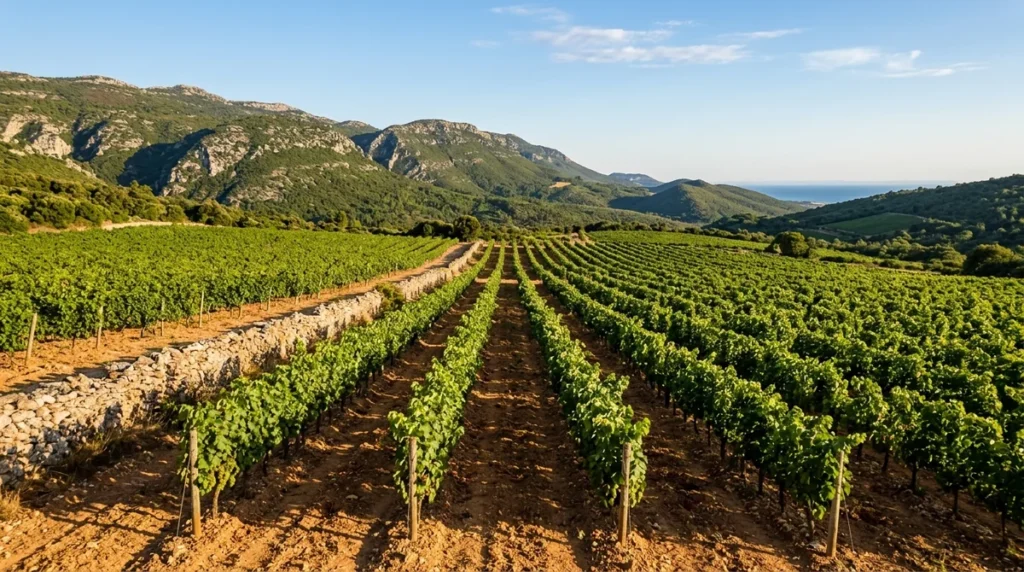
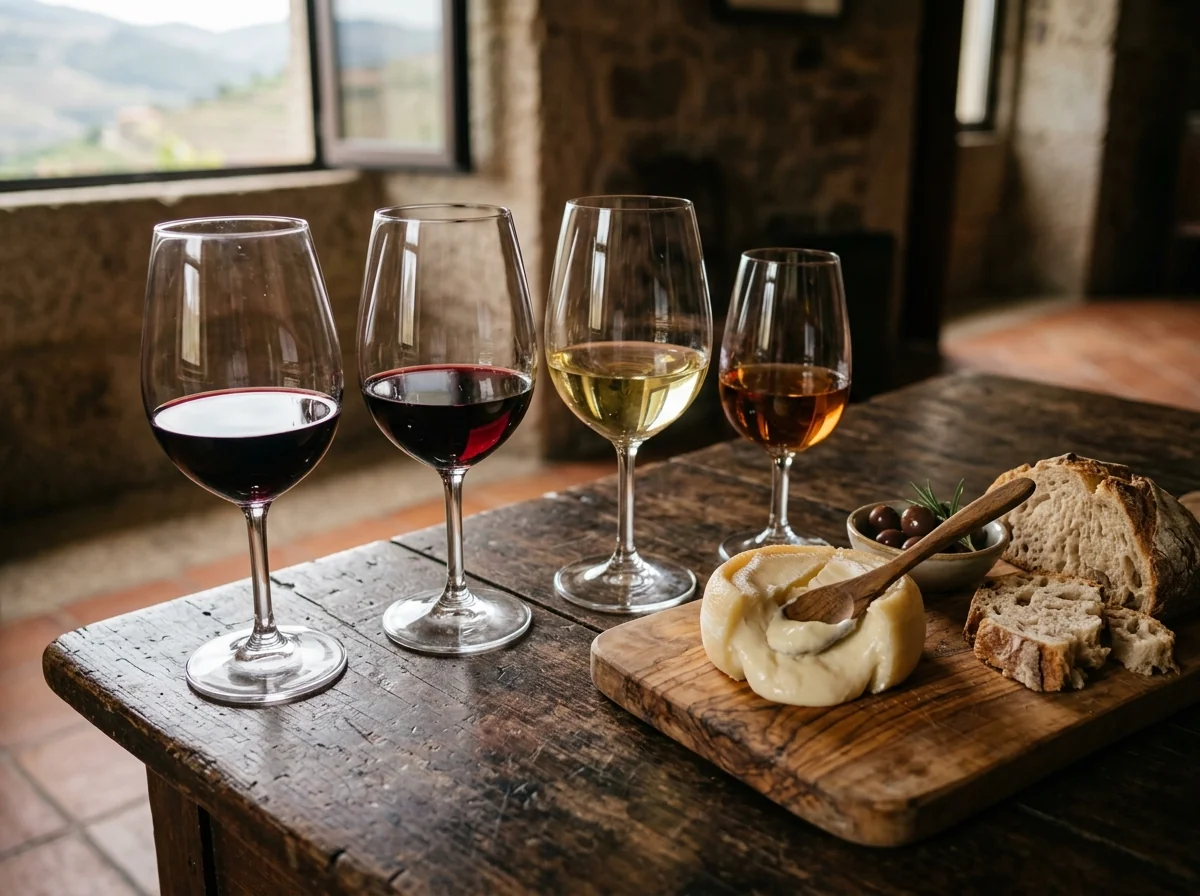
Most wine tours from Lisbon go to one of two places: Azeitão and the Setúbal Peninsula, about 45 minutes south, or Colares near Sintra. Setúbal means Moscatel and big reds. Colares means rare sandy-soil wines. Nearly every tour sold as a “Lisbon wine tour” is really one of these, and the name on the listing rarely tells you which.
That single confusion costs people their day. You book something called a Lisbon wine tour, expecting vineyards you can see from the city, and end up an hour away tasting a fortified wine you had never heard of. Which is wonderful, if that is what you wanted.
So this guide does the thing the booking sites will not do. It tells you which region you are actually going to, what each one pours, and whether the tour is worth it at all.
- Best all-round region: Azeitão and Setúbal, 45 minutes from Lisbon
- Rarest wine: Colares, grown on ungrafted vines in coastal sand
- Time needed: a full day for Setúbal, a half day for Colares
- The catch nobody mentions: you cannot drive yourself home from a tasting
Which wine region are you actually visiting?
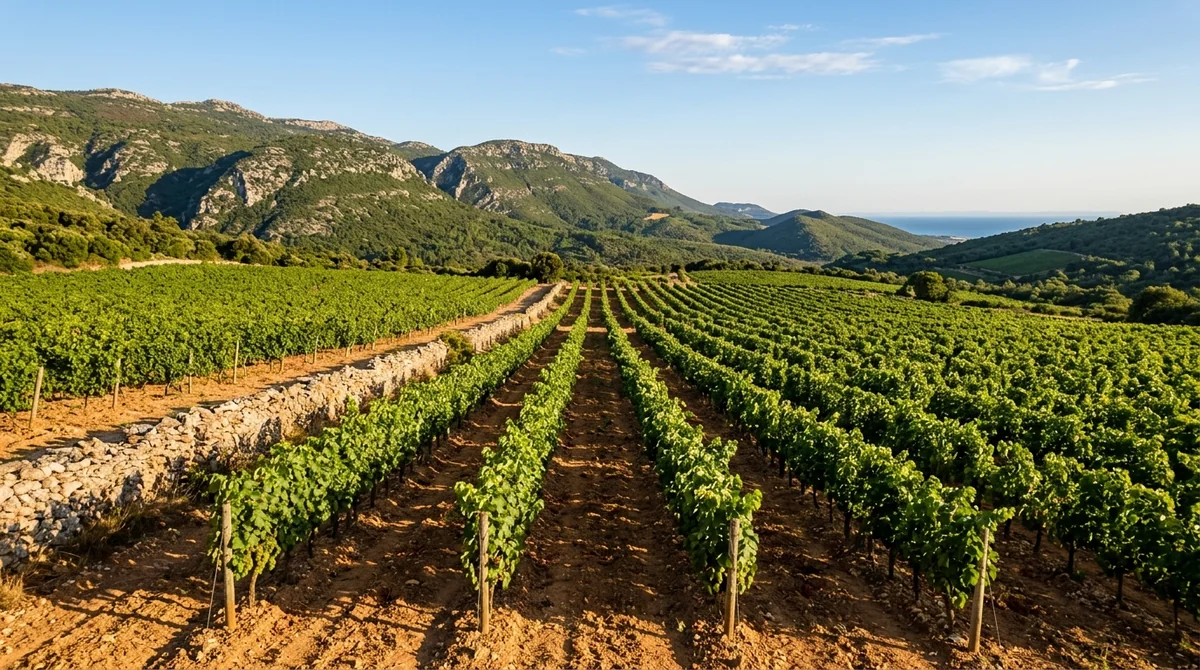
Five wine regions sit within an hour of Lisbon, and they make completely different wine. Booking sites flatten all of them into the phrase “Lisbon wine tour.” Here is what is behind each name.
| Region | From Lisbon | Known for | Go if |
|---|---|---|---|
| Azeitão / Setúbal | 45 min south | Moscatel de Setúbal, Periquita reds | You want the full day: cellars, coast, lunch |
| Arrábida | 50 min south | Small estates inside a natural park | You care as much about the scenery as the wine |
| Colares | 40 min west, by Sintra | Ramisco, grown in sand | You want a wine you cannot taste anywhere else |
| Bucelas | 30 min north | Arinto whites, crisp and mineral | You drink white and hate crowds |
| Carcavelos | 20 min west | A rare fortified wine, barely produced now | You have one free afternoon and no car |
Notice what is missing. The Douro, which is what most people picture when they think of Portuguese wine, is three hours north by train. It is not a day trip from Lisbon, and any tour that promises it in a day is selling you six hours in a vehicle.
Recommended tour
Wine Tasting, Sesimbra and Arrábida
Two vineyards including the José Maria da Fonseca cellars in Azeitão, lunch and beach time in Sesimbra, and the Arrábida coast road home. Private, up to 8 guests, and nobody has to stay sober to drive.
See dates & book →Azeitão and Setúbal: Moscatel, and Portugal’s oldest table wine house
If you take one wine tour from Lisbon, take this one. Azeitão is a village on the north slope of the Arrábida hills, and it holds the cellars of José Maria da Fonseca, founded in 1834 and still run by the same family, now in its seventh generation.
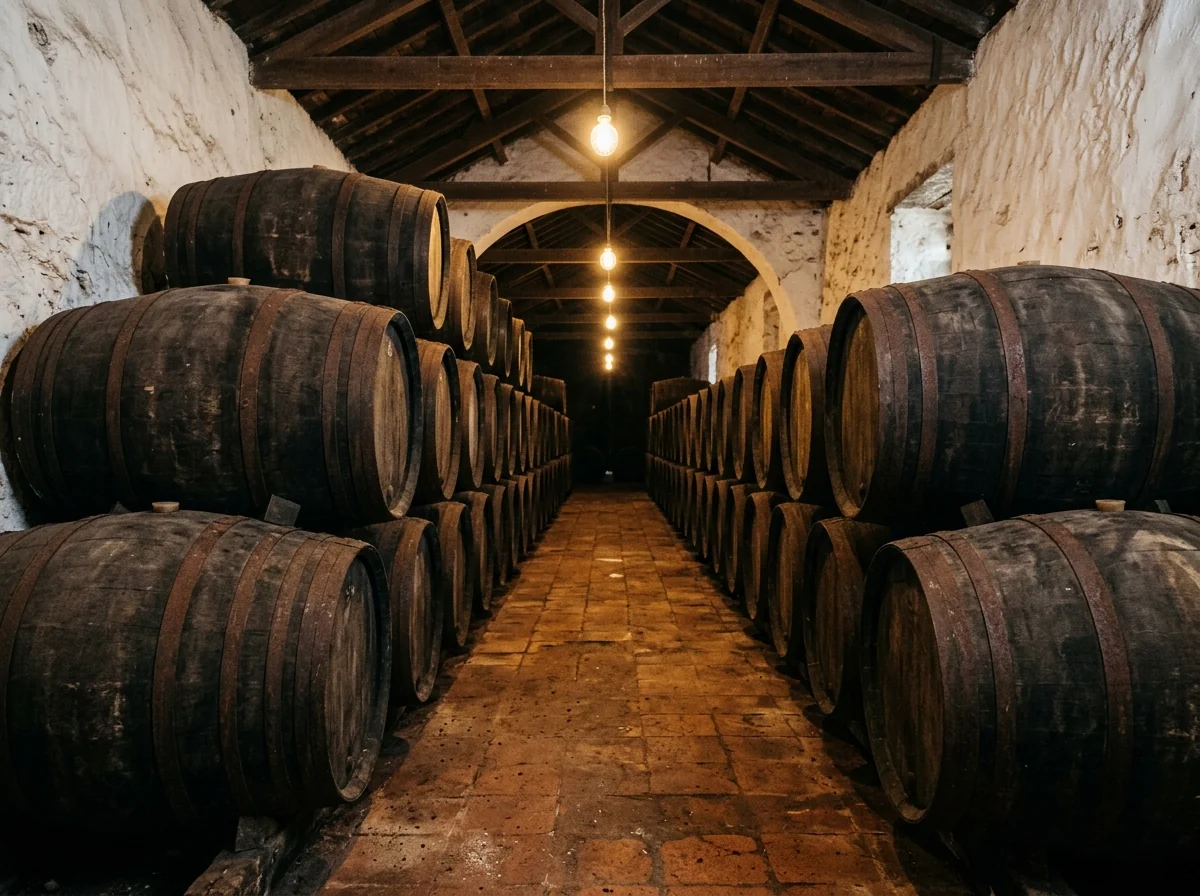
Two of its wines matter. Periquita was the first red wine ever bottled in Portugal. Moscatel de Setúbal is the fortified sweet wine the region is famous for, and the oldest bottles rest in a cellar called the Adega dos Teares Velhos, which you walk through on the tour.
- Where: Rua José Augusto Coelho 11, Vila Nogueira de Azeitão
- Cellar tours: daily, 10:00 to 12:00 and 14:30 to 17:30
- Founded: 1834, seven generations of the same family
- Taste: Periquita, and Moscatel de Setúbal from the old cellar
The village sits close enough to the coast that most full-day tours pair the cellars with Sesimbra or the Arrábida coast road in the afternoon. That pairing is the reason Setúbal beats the other four regions for a first visit. You get the wine and you get the Atlantic.
If you are building the day yourself, our Sesimbra day trip guide covers the coastal half in detail, and the Arrábida day trip guide covers the park itself.
Colares: the vines that survived phylloxera
Colares makes the most unusual wine in Portugal, and almost nobody tastes it. The vineyards sit near Sintra, on the Atlantic coast, and the vines are planted in deep sand.
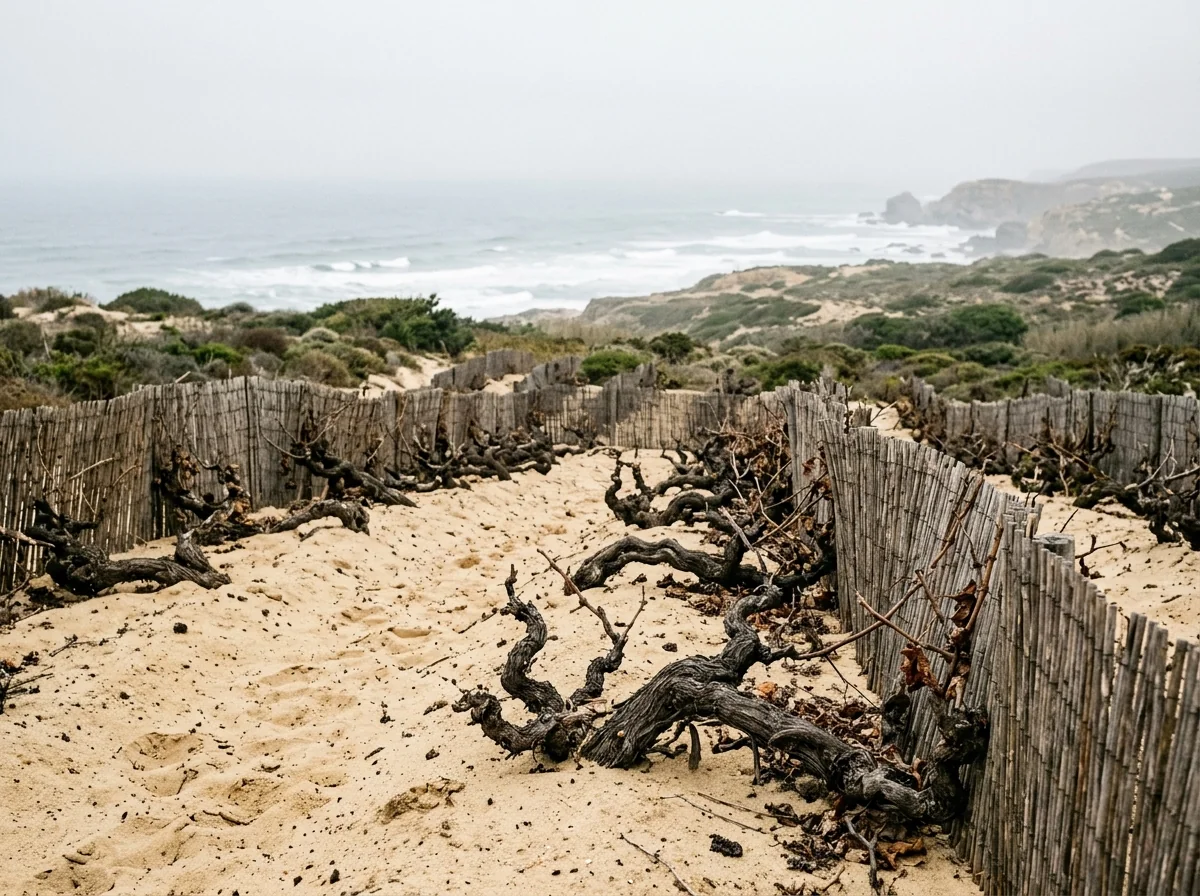
That sand is the whole story. In the late nineteenth century the phylloxera louse destroyed most of Europe’s vineyards, and the surviving vines were saved by grafting them onto resistant American rootstock. Phylloxera cannot move through sand. So the Colares vines were never grafted. They still grow on their own roots, which makes them among the very few ungrafted vineyards left in Europe.
The grape is Ramisco, and the red it makes is tannic and slow to open. It is not an easy wine, and a half day is enough. Pair it with Sintra rather than treating it as a full trip on its own.
Bucelas and Carcavelos: the two most travellers miss
Bucelas is thirty minutes north of Lisbon and grows Arinto, which makes a crisp, high-acid white that ages far better than most people expect from Portugal. It gets a fraction of the visitors that Setúbal does. If you drink white and you dislike a crowded tasting room, this is your region.
Carcavelos is stranger. It is twenty minutes west, on the commuter line, and it once made a fortified wine of real reputation. Then Lisbon grew, and the vineyards became suburbs. Very little is produced now, which is exactly why tasting it is interesting.
What does a wine tour from Lisbon cost?
Two numbers matter: what a group tour costs, and what a private day costs. Across the international booking sites, the ranges are consistent.
| Type | Typical advertised price | Length | Trade-off |
|---|---|---|---|
| Small-group day trip | around $95 to $140 per person | 8 to 9 hours | Cheaper, but you move at the group’s pace |
| Private day trip | around $180 to $250 per person | 8 to 9 hours | Costs more, you choose where to linger |
| City tasting, no travel | around $35 to $75 per person | 1 to 2 hours | No vineyard, no region, no drive |
Those are dollar prices because that is how the marketplaces list them. Book with a Portuguese operator and you pay in euros, which is usually the same money without the currency spread.
The per-person figure also moves with group size on a private tour, because you are really paying for the vehicle and the guide. Two people split that cost between two. Six people split it between six.
Can you do a Lisbon wine tour yourself?
Yes, and for Bucelas or Colares it is arguably the better choice. For Setúbal it is harder than it looks, and there is one reason above all others.
The fines start at 250 euros and a one-month driving ban. Above 1.2 grams per litre it stops being a fine and becomes a criminal offence. This is the single most useful thing to know about wine tourism near Lisbon, and it appears on almost none of the pages selling it.
Doing it yourself works when
|
It stops working when
|
Public transport reaches Setúbal and Azeitão. It does not connect the cellars to each other, and it does not run to the Arrábida coast road with any usefulness. That gap, not the ticket price, is what a tour is actually selling you.
When to go, and what to book ahead
Harvest runs from late August into October, and the cellars are busiest and most interesting then. Spring is quieter, the Arrábida hills are green, and tastings are easier to get at short notice. Winter works too. The cellars are indoors.
- Best months: September and October for harvest, April and May for quiet
- Book ahead: most cellars need a reservation, and small family estates always do
- Cellar hours: José Maria da Fonseca runs tours 10:00 to 12:00 and 14:30 to 17:30 daily
- Avoid: arriving at 13:00 expecting a tasting, which is the lunch gap
The beaches of the Arrábida park have their own summer access restrictions, which matter if you are pairing wine with a swim. Those rules are covered in our guide to the best beaches in Arrábida Natural Park.
How our Azeitão and Arrábida wine day works
Francisco Gomes runs this one. It is a private day, so the van and the pace belong to your group, and it solves the two problems above at once: nobody has to drive, and the cellars connect to the coast.
- 09:30, Hard Rock Cafe: pick-up in Lisbon, then south over the 25 de Abril bridge with Cristo Rei above you
- Late morning: the José Maria da Fonseca cellars in Azeitão, then a second, family-owned vineyard
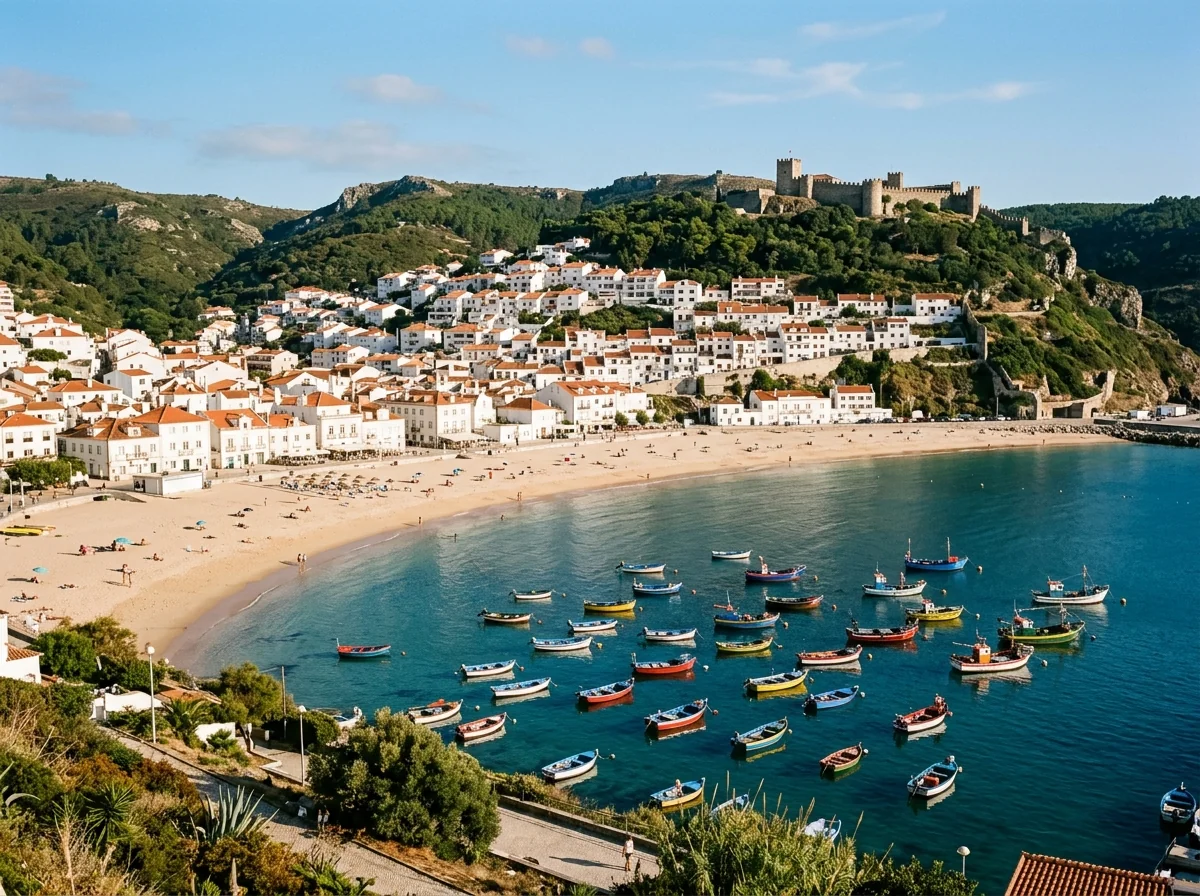
- Midday: lunch and beach time in Sesimbra, the fishing town below the castle
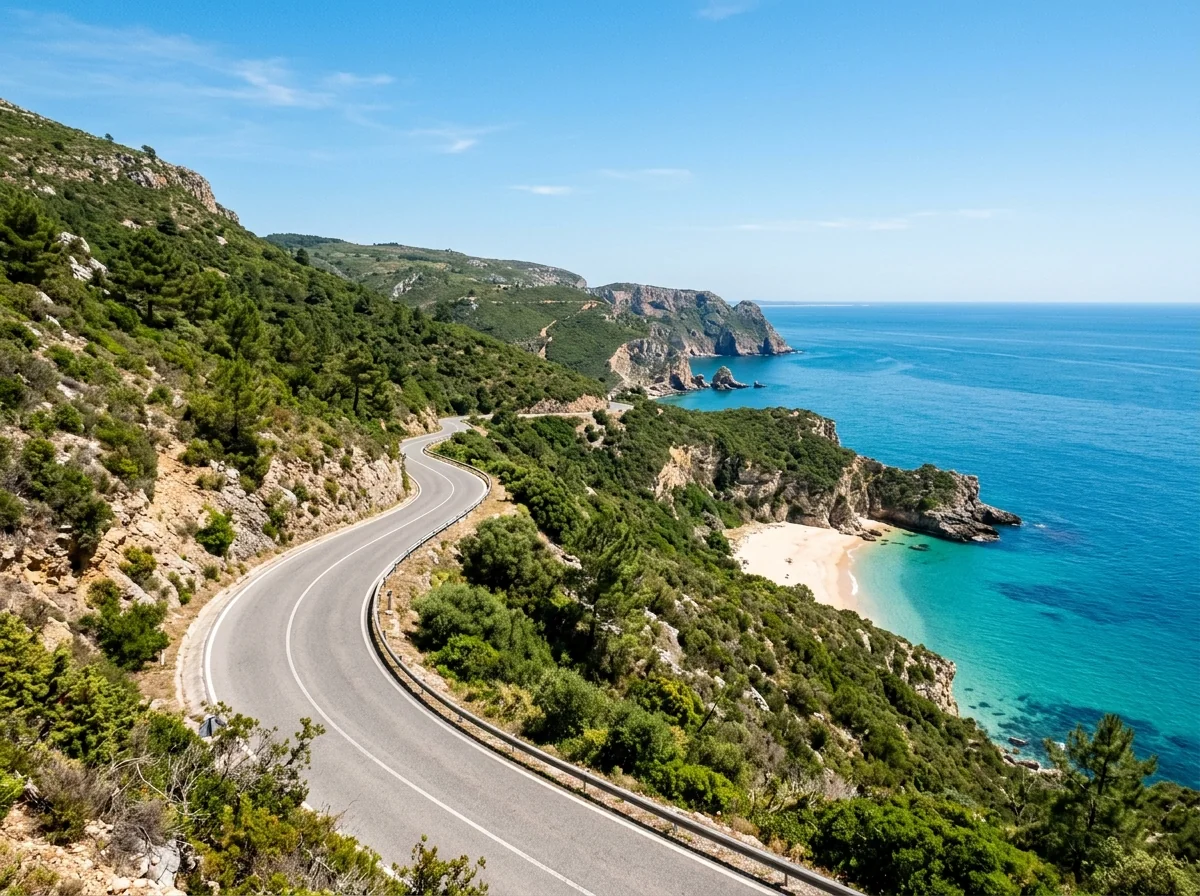
- Afternoon: the Arrábida coast road back, which is the drive people remember
If wine is not really the point and you want the park and the coast instead, take the Arrábida day trip route on your own. It is a good day without a single tasting, and we would rather you had the right day than our day.
Recommended tour
Wine Tasting, Sesimbra and Arrábida
Two vineyards including the José Maria da Fonseca cellars in Azeitão, lunch and beach time in Sesimbra, and the Arrábida coast road home. Private, up to 8 guests, and nobody has to stay sober to drive.
See dates & book →Frequently Asked Questions
What wines will you taste on a wine tour from Lisbon?
It depends entirely on the region. Setubal and Azeitao pour Moscatel de Setubal, a fortified sweet wine, alongside Periquita reds. Colares near Sintra makes tannic Ramisco reds grown in sand. Bucelas, north of the city, is Arinto white country. The tour name rarely says which.
How far outside Lisbon do wine tours go?
Closer than most people expect. Carcavelos is 20 minutes west, Bucelas 30 minutes north, Colares about 40 minutes toward Sintra, and Azeitao and Setubal roughly 45 minutes south. The Douro Valley is three hours away and is not a realistic day trip from Lisbon.
Can you drive yourself to a winery near Lisbon?
You can drive there, but somebody has to stay sober. Portugal’s limit is 0.5 grams of alcohol per litre of blood, and 0.2 for drivers licensed less than three years. A tasting is four to six pours. Decide who is driving before you book, not afterwards.
Is a private wine tour worth more than a group tour?
It depends on your party size. A private tour is priced for the vehicle and the guide, so the per-person cost falls as the group grows. Two travellers usually pay less on a small-group tour. Four or more often pay about the same and set their own pace.
Do you need to book a winery visit in advance?
Almost always, and small family estates never take walk-ins. Jose Maria da Fonseca in Azeitao runs cellar tours daily from 10:00 to 12:00 and again from 14:30 to 17:30, so the early afternoon gap catches people out. Reserve before you travel.
When is the best time of year for a wine tour near Lisbon?
Late August to October is harvest, when the cellars are busiest and most interesting. April and May are quieter, the Arrabida hills are green, and tastings are easy to arrange at short notice. Winter still works, because the cellars are indoors.



-
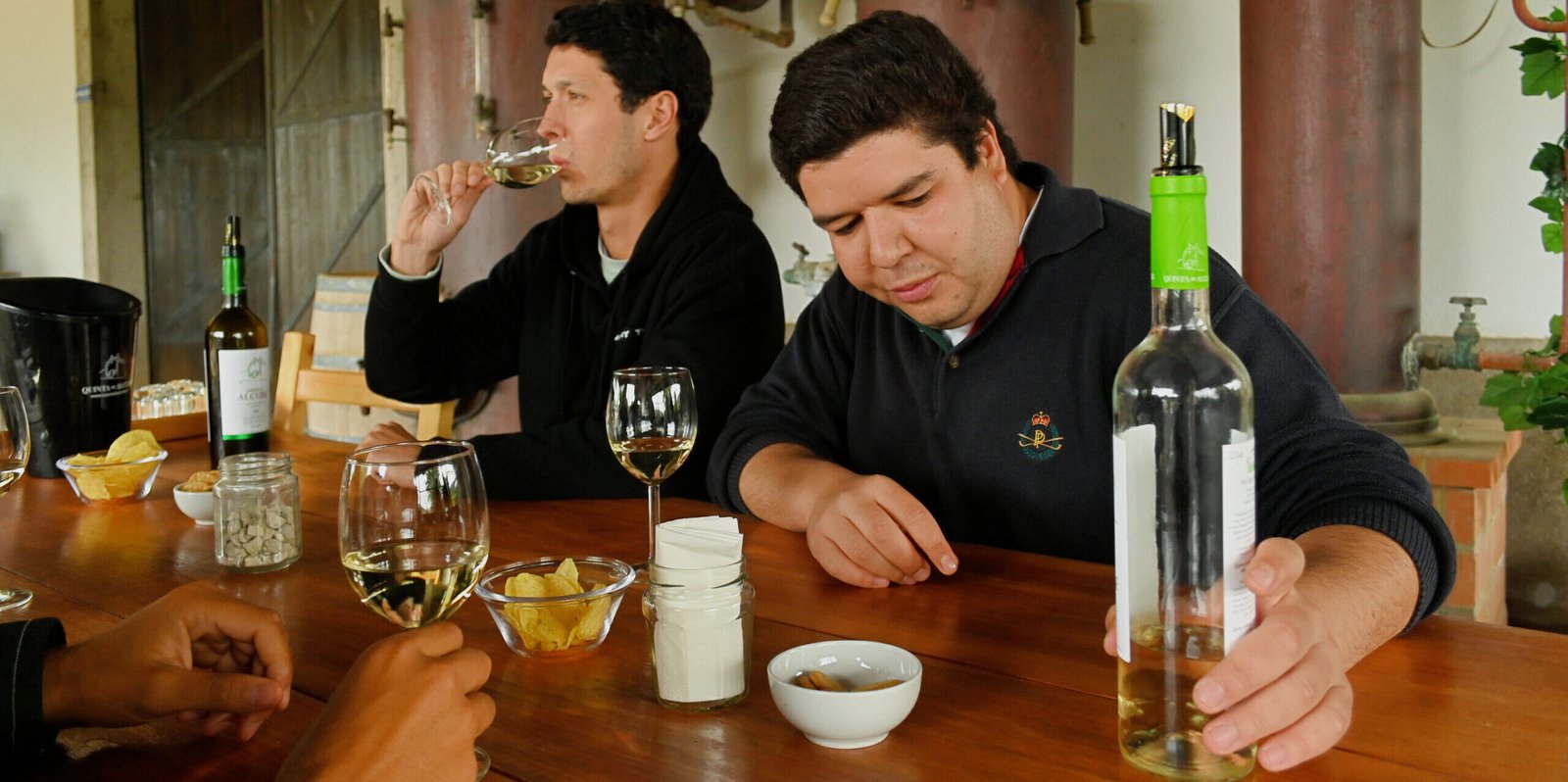
FULL DAY PRIVATE TOUR - WINE TASTING + SESIMBRA & ARRÁBIDA NATIONAL PARK
From €95.00 per personBook Now