
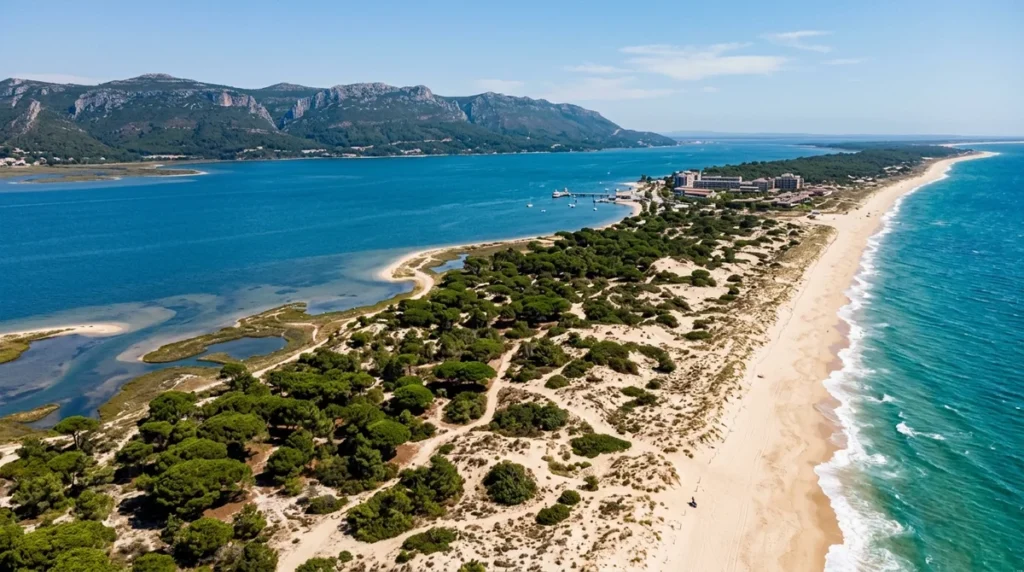
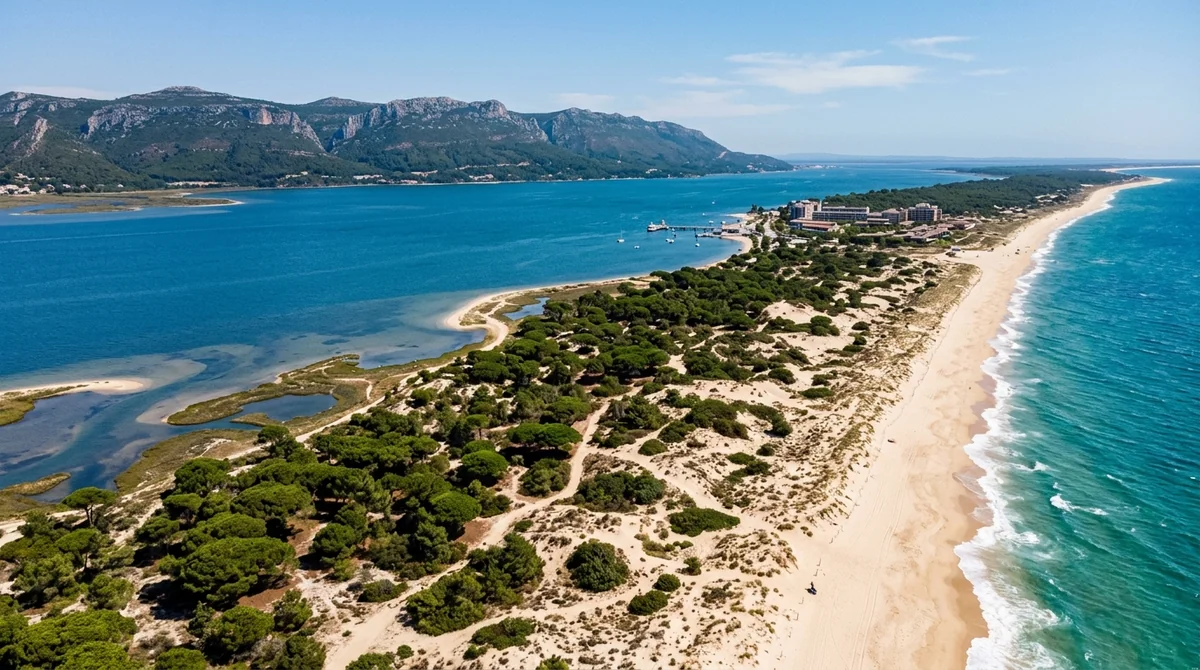
Troia is a long sand peninsula reaching across the Sado estuary from Setubal, about an hour south of Lisbon. A short ferry takes you to 18 kilometres of beach, Roman ruins that once salted fish for the whole empire, and an estuary where a small group of dolphins lives year-round. It is one of the most surprising day trips near Lisbon, and few visitors know it.
This guide covers how to reach Troia, the ferry options and fares, the Sado dolphins and how to see them responsibly, the Roman ruins, and the beaches on each side of the spit. For the city you cross from, pair it with a Setubal day trip; Troia is the wilder half of the same outing.
- What it is: an 18 km sand peninsula across the Sado from Setubal
- Getting there: Fertagus train to Setubal, then a 15 to 25 minute ferry
- Highlights: beaches, Roman fish-salting ruins, Sado dolphins
- Two coasts: calm estuary water on one side, open Atlantic on the other
- Best for: beach days, nature and a change from the palace circuit
Recommended tour
FULL DAY PRIVATE TOUR - WINE TASTING + SESIMBRA & ARRÁBIDA NATIONAL PARK
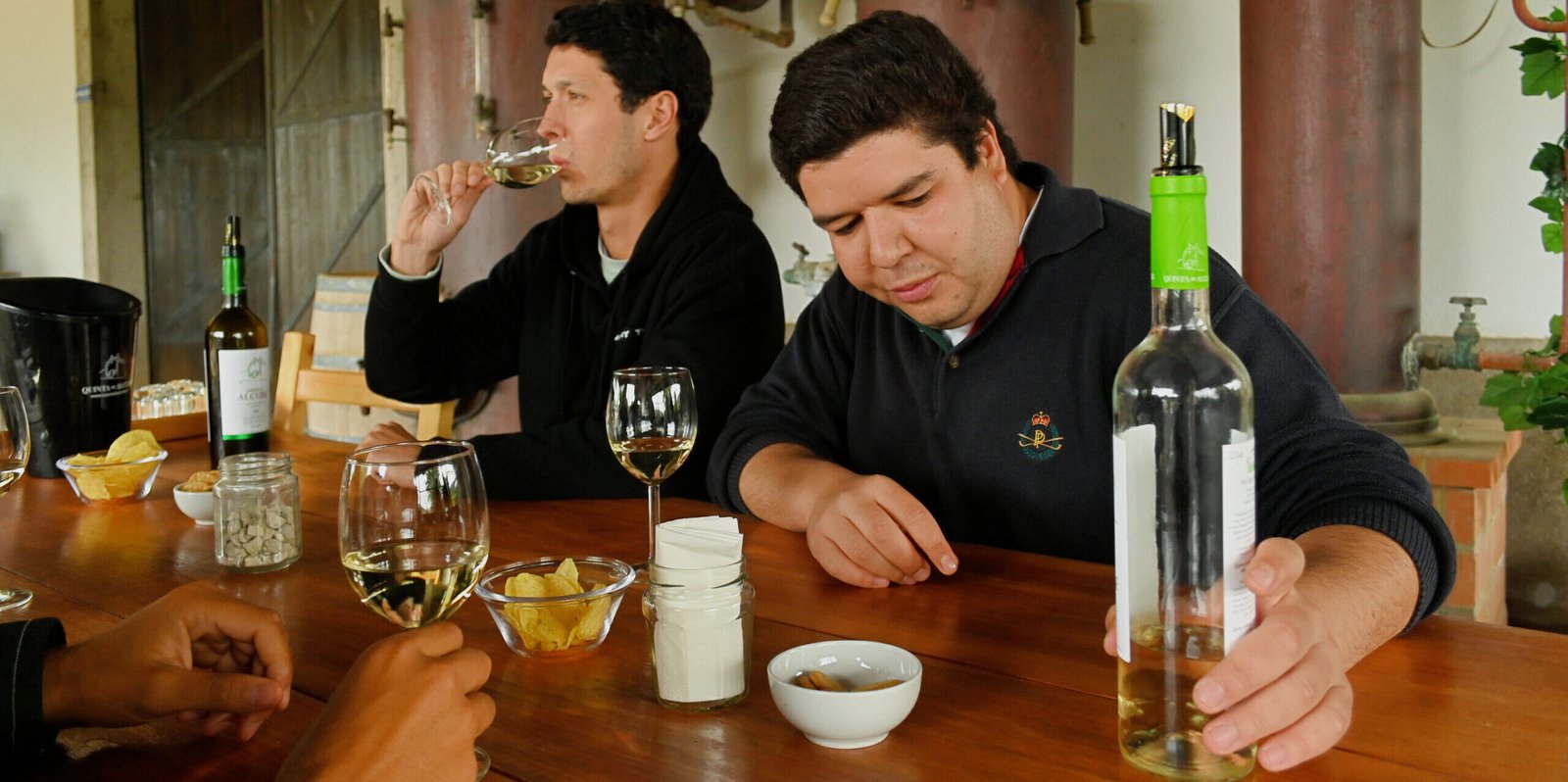
Join a private 9-hour tour exploring Azeitão, Sesimbra, and Arrábida. Enjoy a guided journey with Francisco Gomes, including A.C. transport, professional guidance and a private wine tasting of four varieties at a renowned vineyard. Max: 8 people.
See dates & book →Where Is Troia and What Is It?
Troia is a narrow spit of sand that points north from the Alentejo coast toward Setubal, closing off the mouth of the Sado estuary. It runs about 18 kilometres and marks the start of an almost unbroken beach that stretches south for some 65 kilometres, past Comporta and on toward Sines, one of the longest sand runs in Portugal.
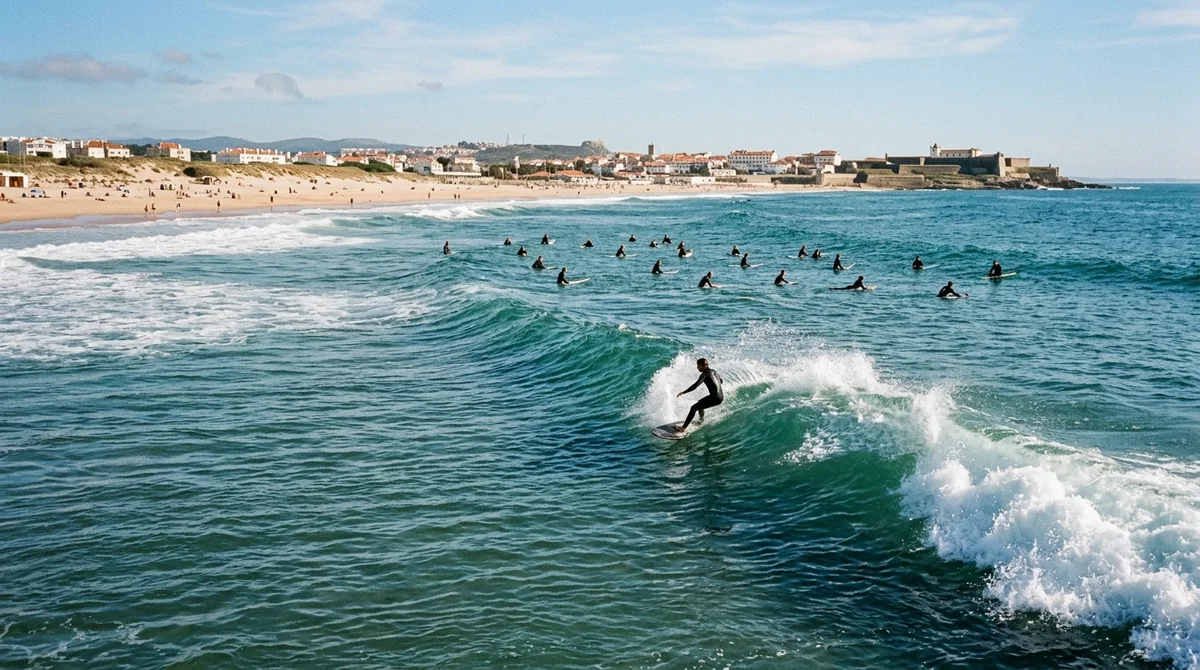
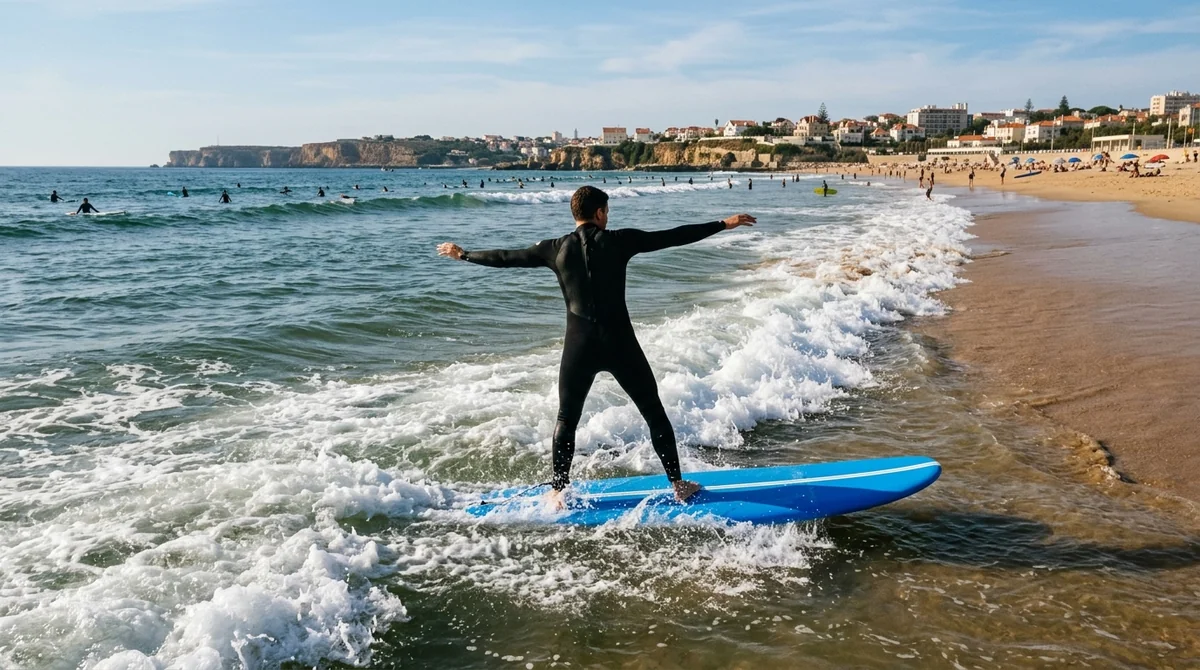
The peninsula has calm, shallow estuary water on its western side and open Atlantic surf on the east, plus umbrella-pine dunes, part of the Sado estuary nature reserve, and the remains of a Roman town. That mix of beach, history and wildlife, reached by a short ferry, is what makes it worth the trip.
Getting to Troia: The Setubal Ferry
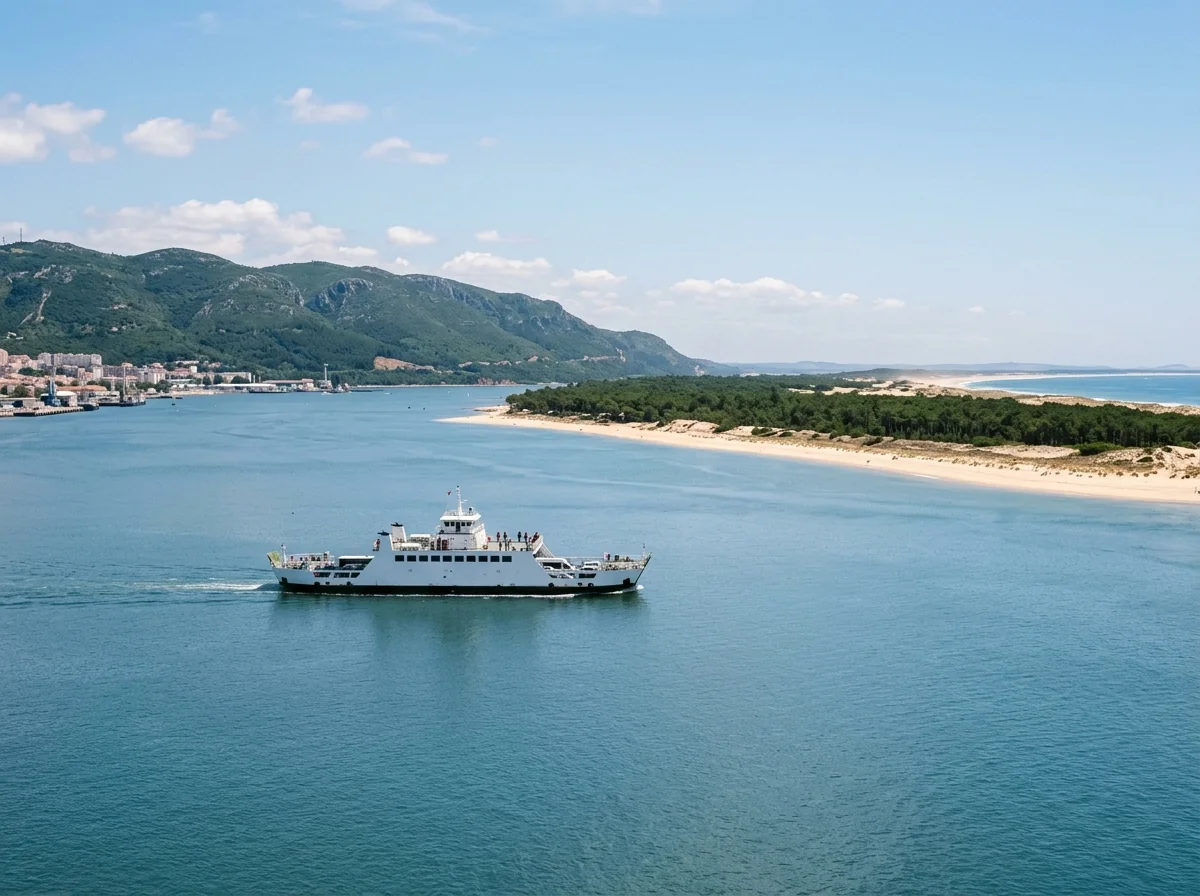
You reach Troia by ferry from Setubal, and Setubal is the easy part: the Fertagus train from Lisbon takes about 50 minutes, or the drive is around an hour on the A2. At Setubal, one operator, Atlantic Ferries, runs two crossings.
| Ferry | Crossing | Foot passenger | Runs |
|---|---|---|---|
| Catamaran (passengers) | About 15 minutes | Around 5 euros single | Year-round, often every 30 min in summer |
| Car ferry | About 25 minutes | Around 5.50 euros; car about 21 euros | Seasonal schedule |
Foot passengers usually take the faster catamaran; only bring a car if you want to explore the beaches further south. Fares change each year, so confirm times and prices on the Atlantic Ferries site before you travel.
The Sado Dolphins
The Sado estuary is home to a small resident group of around 25 to 30 bottlenose dolphins, the only resident dolphin population in Portugal and one of very few anywhere in Europe. They have been monitored by the authorities for more than 40 years, and the population is considered threatened, which is why watching them comes with rules.
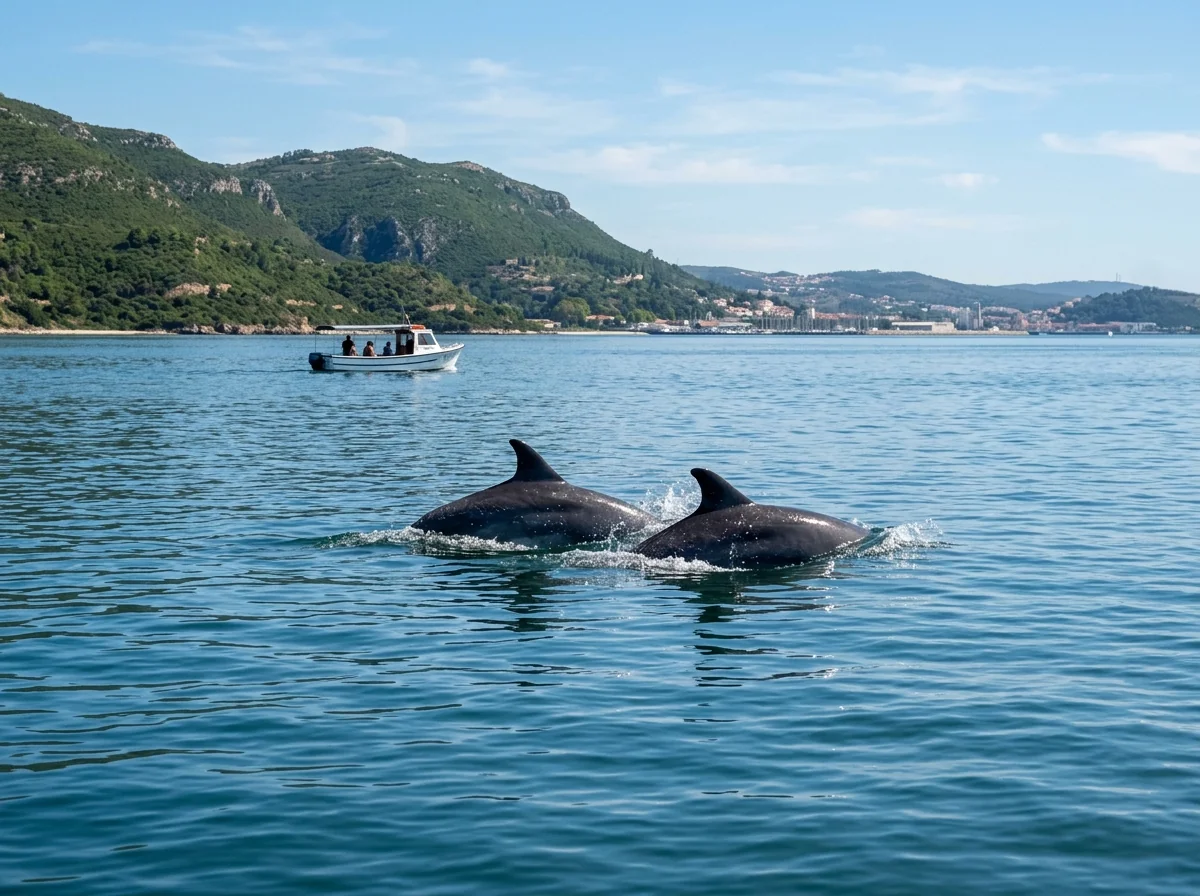
You might spot a fin from the ferry, but for a real chance, book a licensed dolphin-watching boat from Setubal harbour. Go for the wildlife and the estuary scenery, and treat any close encounter as a bonus rather than a guarantee.
The Troia Roman Ruins
On the northern tip of the peninsula, facing Setubal across the water, sit the Troia Roman Ruins, the remains of the ancient town of Cetobriga. This was the largest known Roman fish-salting complex in the empire, in use from the 1st to the 6th centuries. Workshops here salted fish and produced garum, the fermented fish sauce Romans prized and traded across the Mediterranean.
The scale is what impresses: around 25 workshops with 182 salting tanks, plus baths, houses and a burial ground. The site has been a National Monument since 1910 and sits on Portugal’s tentative UNESCO list.
- Entry: self-guided is about 6 euros, guided visits a little more, and under-12s are free
- Hours: seasonal and limited, so check before you go
- Time needed: around an hour to walk the site
Troia’s Beaches: Two Coasts, One Spit
The best reason to cross is the sand. Troia has two very different shorelines within a few hundred metres of each other, so you can pick your water.
| Side | The water | Best for |
|---|---|---|
| Sado (estuary side) | Calm, warm, shallow | Families, easy swimming, dolphins offshore |
| Atlantic (ocean side) | Cooler, open surf, breezy | Long walks, space, waves |
Keep walking or driving south and the beaches open up toward fashionable Comporta, all rice paddies, dunes and low-key beach bars. The whole peninsula sits inside the Sado estuary nature reserve, so you may see storks and flamingos in the inland lagoons.
Making a Day of It from Lisbon
Troia works best paired with Setubal, since you pass through the city to reach the ferry. A good plan is a morning in Setubal, lunch, then the afternoon on a Troia beach, or the reverse.
- Eat first: try Setubal’s choco frito before you cross
- Add a cove: the Arrabida beaches are on the same peninsula, west of the city
- Add a fishing town: Sesimbra rounds out the coast
Troia itself is a do-it-yourself ferry hop, so it is not part of a standard guided tour. If you would rather have the mainland side of the peninsula guided, our full-day wine tour covers the Azeitao cellars, Sesimbra and the Arrabida park with transport and lunch included, and you can add Troia on your own another day.
Recommended tour
FULL DAY PRIVATE TOUR - WINE TASTING + SESIMBRA & ARRÁBIDA NATIONAL PARK
Join a private 9-hour tour exploring Azeitão, Sesimbra, and Arrábida. Enjoy a guided journey with Francisco Gomes, including A.C. transport, professional guidance and a private wine tasting of four varieties at a renowned vineyard. Max: 8 people.
See dates & book →Frequently Asked Questions
How do you get to Troia from Lisbon?
Take the Fertagus train from Lisbon to Setubal, about 50 minutes, then the ferry across the Sado estuary to Troia. The passenger catamaran takes about 15 minutes and the car ferry about 25. Driving from Lisbon takes roughly an hour, and cars use the car ferry from Setubal.
How much is the ferry from Setubal to Troia?
On the passenger catamaran a single foot fare is around 5 euros, and children under 5 travel free. The car ferry costs a little more for foot passengers and around 21 euros for a light vehicle. Fares change yearly, so check the Atlantic Ferries site before you travel.
Can you see dolphins in the Sado estuary?
Yes. A small resident group of around 25 to 30 bottlenose dolphins lives in the Sado estuary year-round, one of very few resident populations in Europe. You may glimpse them from the ferry, but a dedicated dolphin-watching boat from Setubal gives the best and most responsible chance.
What is the best time to see the Sado dolphins?
Sightings are best from April to October in calm weather. Dolphin-watching inside the estuary is restricted through August to protect the animals during the busy bathing season, though boats still run along the nearby Arrabida coast. Watching boats must keep at least 30 metres from the dolphins.
What are the Troia Roman ruins?
The Troia Roman ruins, ancient Cetobriga, are the largest known Roman fish-salting complex in the empire. From the 1st to 6th centuries, workshops here salted fish and made garum, a prized fish sauce traded across the Roman world. The site is a National Monument, with about 25 workshops and 182 salting tanks.
Is Troia worth visiting?
For beaches, yes. Troia is an 18-kilometre sand spit with calm estuary water on one side and open Atlantic on the other, plus Roman ruins and dolphins offshore. It pairs well with a food and wine day in Setubal, reached by a short and scenic ferry ride across the Sado.
Plan Your Troia Day Trip
Troia is the easiest wild beach near Lisbon: a train, a short ferry, and you are on an 18-kilometre spit with Roman history at one end and dolphins in the water. Bring sunscreen and a swimsuit, check the ferry and ruins times, and leave the dolphins their space. For the guided wine and coast side of the same peninsula, our full-day Setubal wine tour with Francisco is the easy way to see it.
-
FULL DAY PRIVATE TOUR - WINE TASTING + SESIMBRA & ARRÁBIDA NATIONAL PARK
From €95.00 per personBook Now