
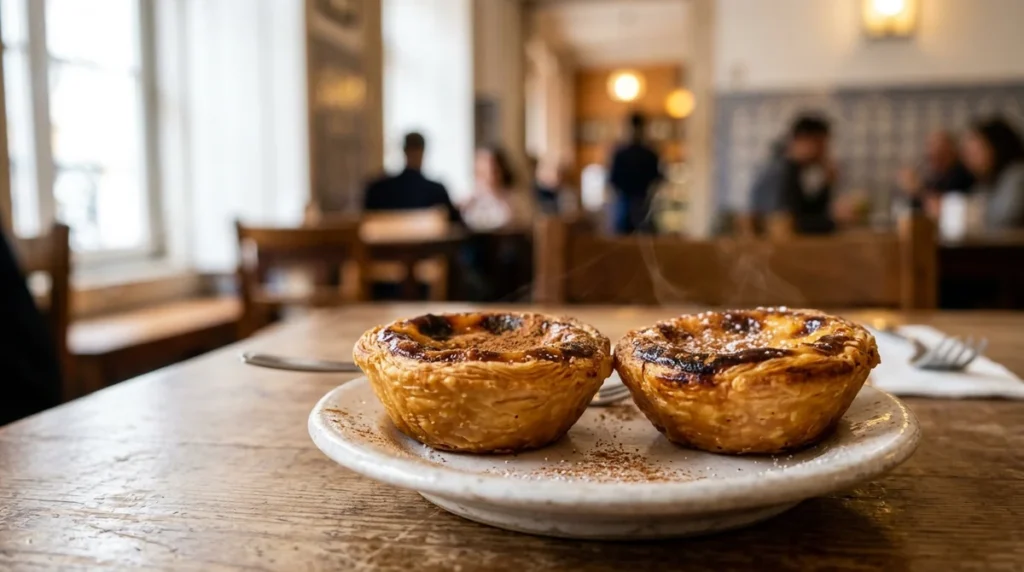
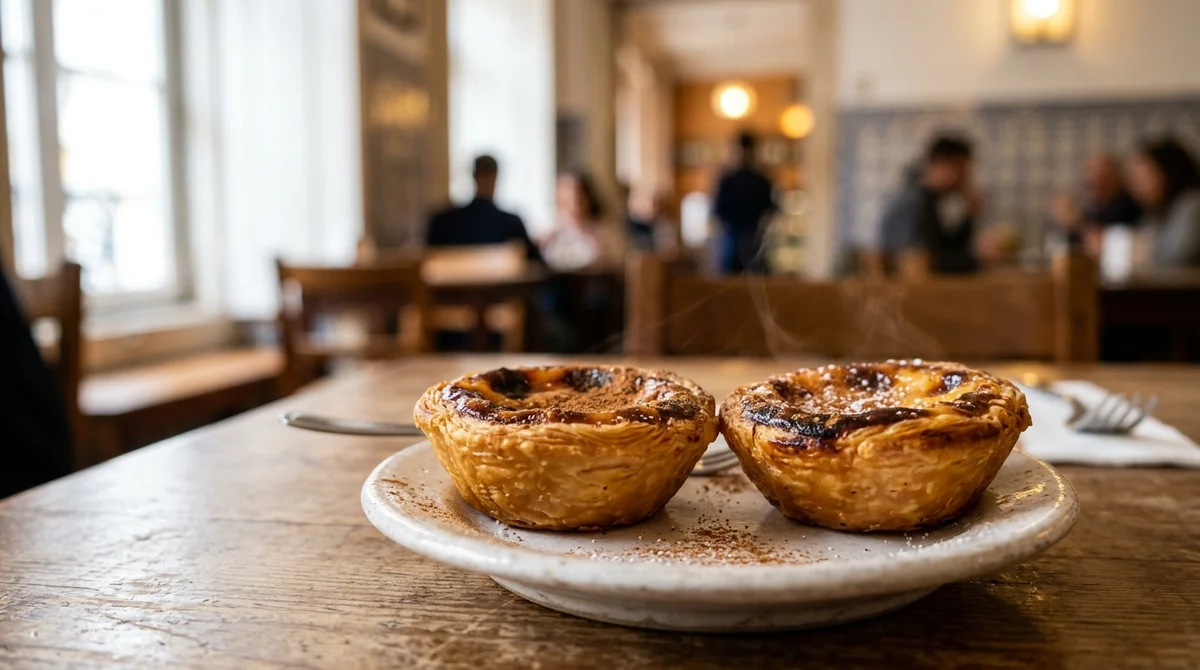
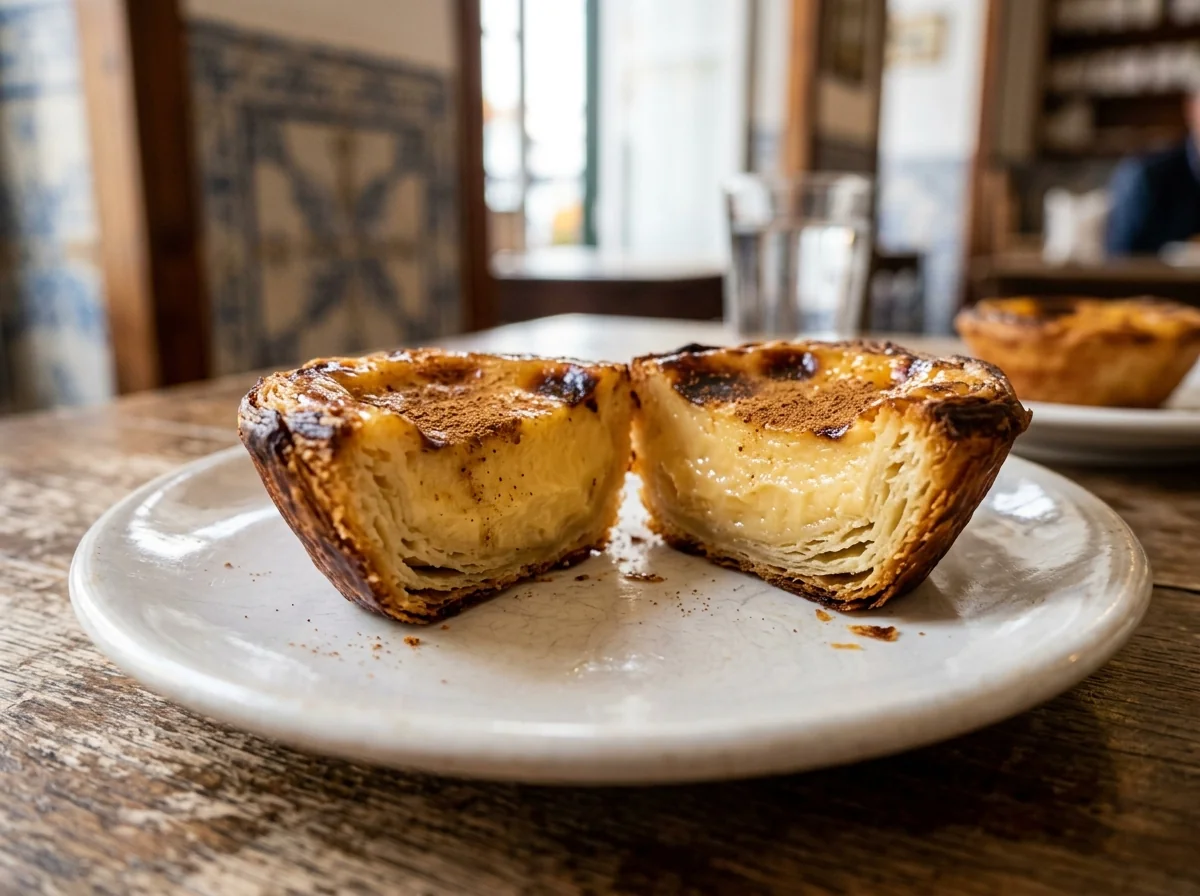
Pasteis de Belem are the original Portuguese custard tarts, made at one shop in the Belem district of Lisbon since 1837. They are warm, flaky and filled with a soft caramelised custard, served with cinnamon and icing sugar. Every other custard tart in Portugal is a pastel de nata; only this shop can call its version a pastel de Belem, made to a secret recipe sold nowhere else.
The queue outside the Antiga Confeitaria de Belem is one of the most photographed lines in Lisbon, and most people join it without knowing there is a faster way in. This guide covers what makes these tarts different, whether they are worth the wait, how much they cost, and the one move that skips most of the queue. It sits inside a morning in Belem, the riverside district that is also home to the Jeronimos Monastery and Belem Tower.
Recommended tour
PRIVATE VINTAGE SAILBOAT TOUR ON TAGUS RIVER - LISBON
Experience Lisbon from the Tagus River aboard Believe – a beautifully restored vintage sailboat. Cruise along the city’s iconic waterfront while enjoying breathtaking views, portuguese tapas, and different types of wine. Details: Fits up to 12 guests Daily at 3 PM or 7 PM Just select the day and we will reach out to know the preferred departure time (3 PM or 7 PM)
See dates & book →What are Pasteis de Belem?
They are egg-custard tarts in a crisp, laminated pastry shell. The custard is set but still soft, the top is scorched to dark caramel spots, and they arrive warm from the oven. At the table you dust them with cinnamon and icing sugar from little sachets. The recipe dates to 1837 and has never changed.
The story starts next door at the Jeronimos Monastery. Monks there used egg whites to starch their habits, which left them with a surplus of yolks, and the custard tart was one way to use them up. When the monastery closed in 1834, the recipe passed to the neighbouring sugar refinery, and the shop opened in 1837.
Pastel de Belem vs pastel de nata: the real difference
This is the question most people are actually asking. They are the same kind of tart, but only the Antiga Confeitaria de Belem can use the name pastel de Belem, made to its protected 1837 recipe. Everywhere else in Portugal, the same pastry is a pastel de nata. Many are excellent, but they are not the same recipe.
| Pastel de Belem | Pastel de nata | |
|---|---|---|
| Where | Only the Belem shop | Bakeries and cafes everywhere |
| Recipe | Secret 1837 recipe, unchanged | Each baker’s own version |
| Name | Protected, this shop only | Generic term |
The recipe is made by hand in a room called the Oficina do Segredo, the Secret Workshop. It is memorised, not written down, and known to only a handful of pastry chefs at a time. That is why you cannot buy a genuine pastel de Belem anywhere else.
Is it worth the queue?
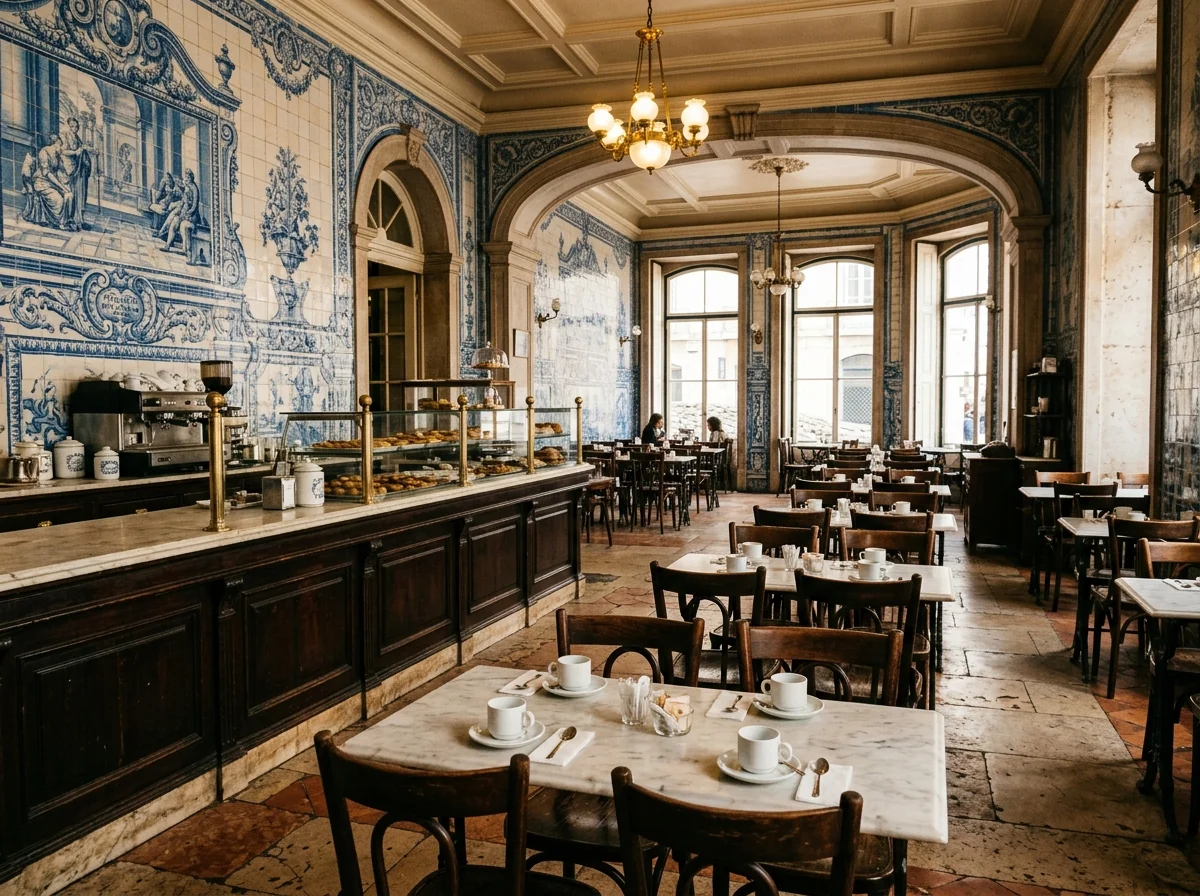
Yes, and you can usually skip most of the wait. The long line on the street is the takeaway queue, for people buying a box to go. Inside, behind the counter, are several large tiled rooms with hundreds of seats that most visitors never realise are there.
How much do Pasteis de Belem cost?
As of 2026, a single tart costs around 1.50 euros, and a box of six is about 9 euros. Prices change, so check at the counter. They are worth eating warm and fresh on the spot; the pastry softens and the magic fades once they cool down on the walk home.
- One tart: around 1.50 euros (2026, confirm at the counter)
- Box of six: about 9 euros
- Best with: a bica, the small strong Portuguese espresso
- How many they sell: tens of thousands a day in peak season
How to order and eat them like a local
Order them warm and eat them straight away. Add cinnamon and icing sugar to taste from the sachets on the table, and pair them with a coffee. Two is the honest number for a first try, one plain to taste the custard and one with cinnamon.
If you want to understand where these tarts sit in the wider picture of Portuguese cooking, from bacalhau to caldo verde, our guide to Portuguese food covers the dishes worth seeking out.
Where it is and how to get there
The Antiga Confeitaria de Belem is on Rua de Belem, a few steps from the Jeronimos Monastery in the Belem district, on the western riverfront of Lisbon. You can reach Belem by tram 15E from central Lisbon, or by train on the Cascais line to Belem station.
Make a morning of it in Belem
Belem rewards a slow morning: the tarts, the Jeronimos Monastery, the Belem Tower on the water, and the Monument to the Discoveries, all within a short walk. When you have walked the riverfront, the best view of it is from the Tagus itself.

Our private vintage sailboat sails the Tagus and shows the Belem shoreline from the water, the angle you cannot get from the queue. It is an easy way to end a Belem morning, and our guide to the Lisbon sunset sailboat tour has the detail.
Recommended tour
PRIVATE VINTAGE SAILBOAT TOUR ON TAGUS RIVER - LISBON
Experience Lisbon from the Tagus River aboard Believe – a beautifully restored vintage sailboat. Cruise along the city’s iconic waterfront while enjoying breathtaking views, portuguese tapas, and different types of wine. Details: Fits up to 12 guests Daily at 3 PM or 7 PM Just select the day and we will reach out to know the preferred departure time (3 PM or 7 PM)
See dates & book →Frequently Asked Questions
What are Pasteis de Belem?
Pasteis de Belem are warm egg-custard tarts made at a single shop in the Belem district of Lisbon. The pastry is crisp and flaky, the centre is a soft caramelised custard, and they are served dusted with cinnamon and icing sugar. The recipe dates to 1837 and is kept secret.
What is the difference between pastel de Belem and pastel de nata?
They are the same kind of custard tart, but only the Antiga Confeitaria de Belem may use the name pastel de Belem, made to its original 1837 recipe. Every other custard tart in Portugal, however good, is legally a pastel de nata. The Belem version follows a secret recipe sold nowhere else.
What is the most famous pastry shop in Lisbon?
The Antiga Confeitaria de Belem, on Rua de Belem next to the Jeronimos Monastery, is Lisbon’s most famous pastry shop. It has sold its custard tarts since 1837 and makes tens of thousands a day. The recipe is known to only a handful of pastry chefs and has never been written down.
Is Pasteis de Belem worth the queue?
Yes, and you can often avoid the queue. The line out front is for takeaway, but inside are large tiled rooms with hundreds of seats that most tourists walk past. Sit down, order at the table, and you get the tarts warm from the oven with far less waiting.
How much do Pasteis de Belem cost?
As of 2026, a single pastel de Belem costs around 1.50 euros, and a box of six is about 9 euros. Prices change, so confirm at the counter. They are cheaper and better eaten warm on the spot than carried away to cool.
What is Belem famous for?
Belem, on the Lisbon riverfront, is famous for its custard tarts, the Jeronimos Monastery and the Belem Tower, both UNESCO World Heritage sites. It was the departure point for Portugal’s Age of Discovery voyages, and today it is one of the city’s most visited areas.
The one custard tart to make time for
Pasteis de Belem are worth the trip and, played right, barely any queue. Walk in, take a table in the tiled rooms, order them warm, and dust them yourself. Then make a morning of Belem, the monastery, the tower and the tarts, and see the whole riverfront from the Tagus with Francisco on our private sailboat.



-
FULL DAY PRIVATE TOUR - WINE TASTING + SESIMBRA & ARRÁBIDA NATIONAL PARK
From €95.00 per personBook Now