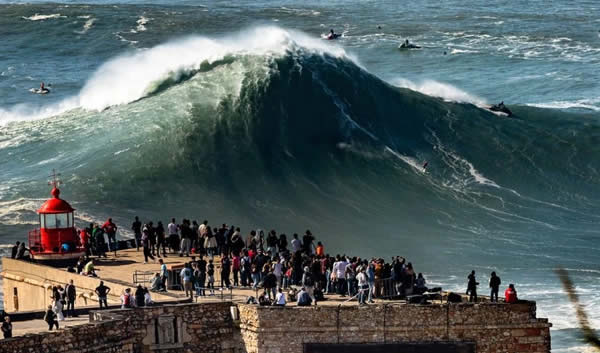


Portugal produces the biggest surfable waves on the planet. At Nazaré, waves regularly exceed 20 meters (65 feet) during winter storms, with world records approaching 30 meters (nearly 100 feet). Beyond Nazaré, Portugal’s 1,800 kilometers of Atlantic coastline deliver everything from perfect barrels at Supertubos to the seven world-class breaks within Ericeira’s World Surfing Reserve.
Whether you want to witness nature’s raw power from a clifftop viewpoint or catch your first wave at a beginner-friendly beach, Portugal has a spot for you. The country has earned its reputation as Europe’s undisputed surf capital, hosting World Surf League competitions and drawing wave riders from every corner of the globe.
This guide takes you through Portugal’s most impressive waves, from the record-breaking giants in the north to the consistent swells of the Algarve coast.
Nazaré: Home to the Biggest Waves in the World
No discussion of Portugal’s biggest waves can begin anywhere except Nazaré. This small fishing town, 120 kilometers north of Lisbon, produces waves so massive they defy belief until you witness them firsthand.
World Record Territory
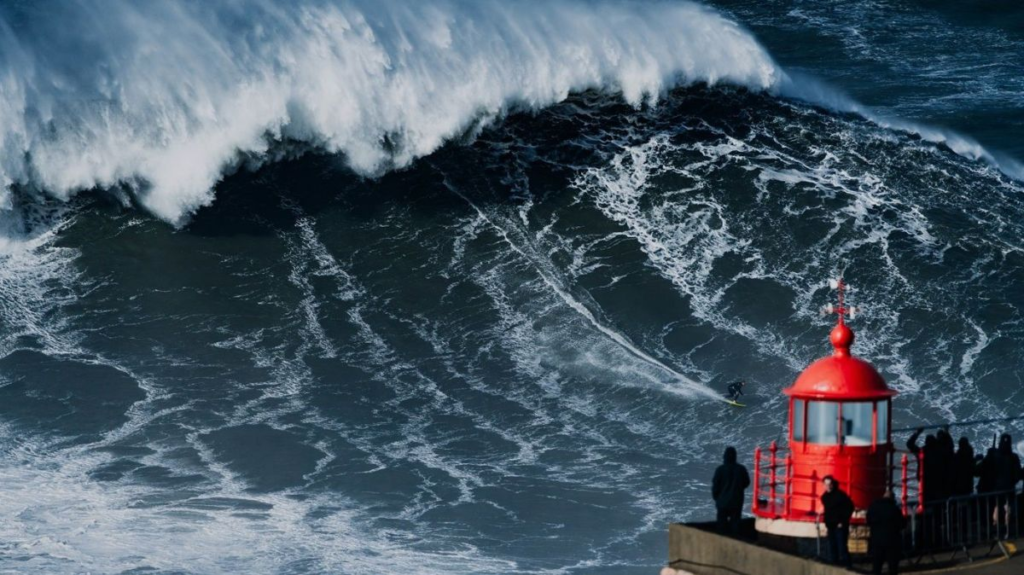
Nazaré holds multiple Guinness World Records for the largest waves ever surfed. German surfer Sebastian Steudtner currently owns the official record at 26.21 meters (86 feet), set in October 2020. However, in February 2024, Steudtner rode a wave measured at 28.57 meters (nearly 94 feet) using advanced drone technology. If officially ratified, this would shatter his own record.
Brazilian surfer Maya Gabeira holds the women’s record at 22.4 meters (73.5 feet), also set at Nazaré. The location has become the proving ground for big wave surfing’s elite athletes, with only about 100 surfers worldwide possessing the skills to tackle these giants.
Why Nazaré Waves Get So Big
The secret lies beneath the ocean surface. The Nazaré Canyon stretches 230 kilometers long and plunges 5,000 meters deep, making it Europe’s largest submarine canyon. When Atlantic swells travel toward shore, the deep water inside the canyon allows waves to move faster than those traveling over the shallower continental shelf beside it.
This speed difference bends waves toward shore while simultaneously splitting them into two separate swells. When these waves reunite near the beach, they combine their energy through constructive interference, creating walls of water up to three times larger than the original swell.
Watching Nazaré’s Giants
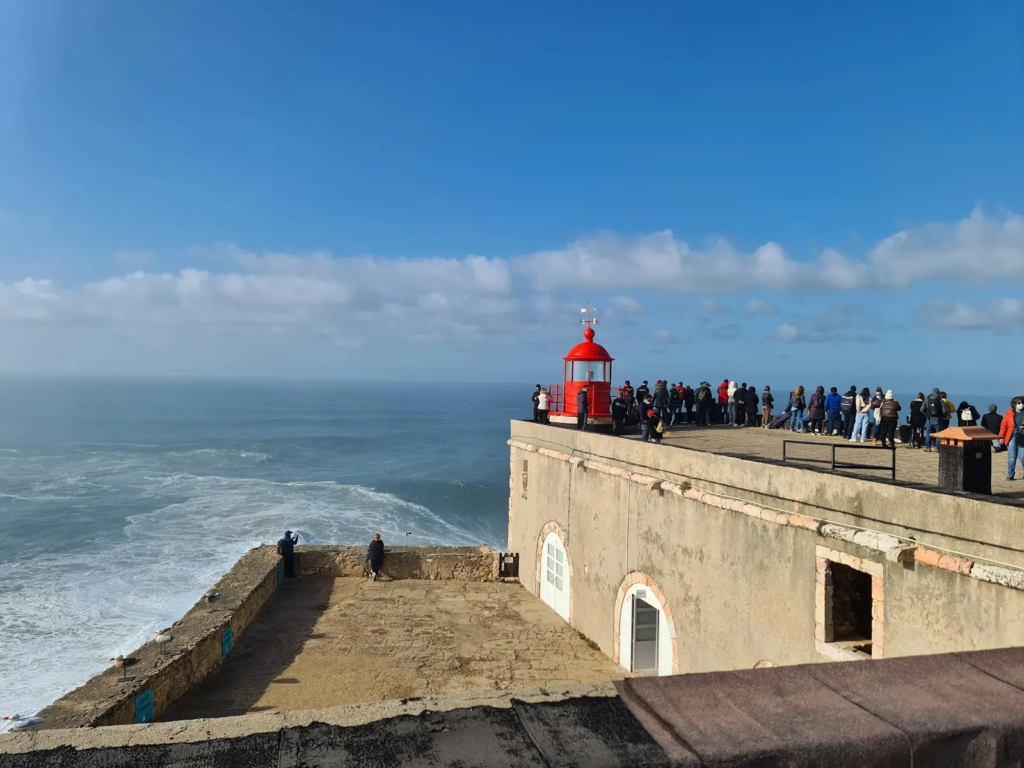
The Fort of São Miguel Arcanjo provides the best viewing spot. This 16th-century lighthouse perches directly above Praia do Norte, putting spectators closer to the action than anywhere else on earth. Inside, a small surf museum displays boards used in record-breaking rides, including some snapped in half by Nazaré’s power. Entry costs just one euro.
The Tudor Nazaré Big Wave Challenge draws approximately 50,000 spectators during competition days. For detailed information on planning your visit, check our complete guide to Nazaré’s giant waves and Óbidos day trip from Lisbon [Internal link].
Ericeira: Europe’s First World Surfing Reserve
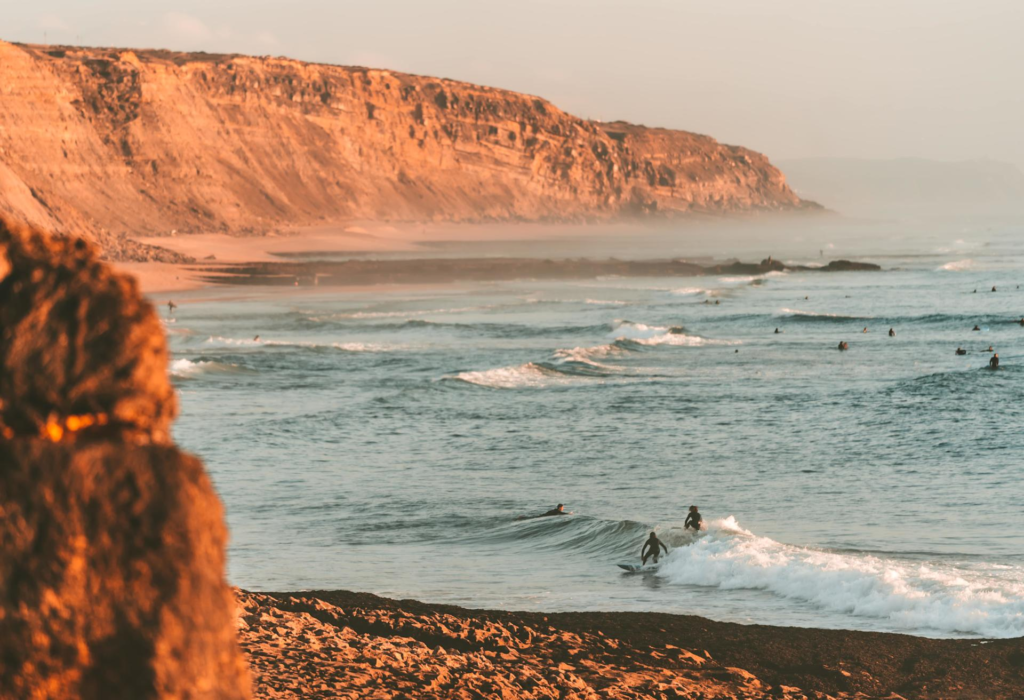
Just 40 kilometers north of Lisbon, Ericeira earned designation as Europe’s first and only World Surfing Reserve in 2011. This recognition protects approximately 8 kilometers of coastline containing seven world-class waves.
The Seven Waves of the Reserve
The reserve encompasses breaks ranging from challenging reef slabs to accessible point waves.
Coxos stands as Portugal’s most revered wave. Many consider this powerful right-hand reef break one of the best waves in Europe, famous for mesmerizing barrels and rides that seem to never end. Surfers have traveled here since the early 1970s, and the wave sparked the original application for World Surfing Reserve status.
Cave delivers the heaviest wave in Ericeira. A below-sea-level slab breaking over a shallow reef, this wave produces some of the most spectacular tubes in Portugal, along with devastating wipeouts. Professional surfers have suffered serious injuries here.
Ribeira d’Ilhas offers more forgiving conditions than Ericeira’s most accessible reef. Long right-hand walls provide excellent opportunities for both barrels and open-face surfing. This consistency makes it the venue for professional competitions, including WSL events.
Pedra Branca, Reef, Crazy Left, and São Lourenço complete the reserve’s seven waves, each offering unique characteristics. São Lourenço can hold waves up to 6 meters (18 feet), becoming one of Portugal’s biggest and heaviest waves during major swells.
Wave Size at Ericeira
During winter, Ericeira’s waves can reach 12-15 feet at spots like Coxos. Summer brings mellower conditions around 3-5 feet, making it ideal for intermediate surfers looking to progress. The reserve offers waves for every level, from complete beginners at Foz do Lizandro to experts chasing barrels at Cave.
Peniche: Portugal’s Competition Capital
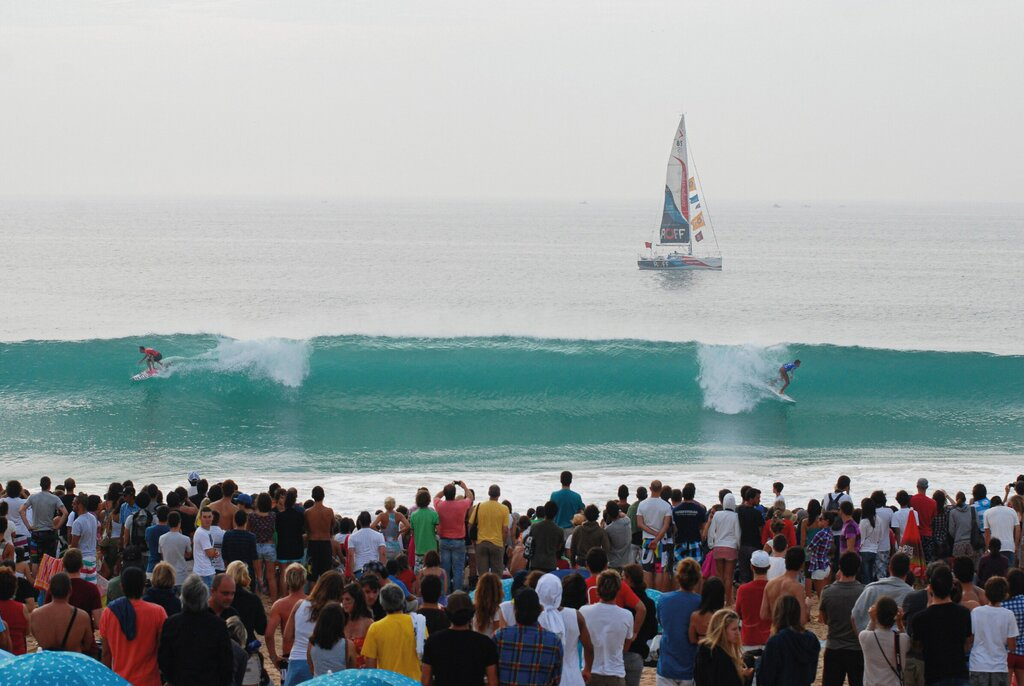
The Peniche peninsula, 90 kilometers north of Lisbon, juts into the Atlantic, creating a unique geography that produces rideable waves almost every day of the year. When swells come from one direction, surfers simply move to the opposite side of the peninsula.
Supertubos: World Tour Quality
Supertubos hosts the annual WSL Championship Tour event, bringing the world’s best surfers to compete on waves that live up to their name. This beach break produces hollow, dredging barrels that rival any wave on the planet.
The wave works best with bigger swells from the west or southwest combined with offshore easterly winds. During autumn and winter, Supertubos delivers powerful tubes with long, heavy barrels. On smaller days, less experienced surfers can enjoy quality waves with fewer consequences.
Beyond Supertubos, Peniche offers over 20 surf spots along 15 kilometers of coastline. Baleal attracts beginners with gentle waves and numerous surf schools. Molhe Leste provides an alternative when Supertubos gets too big or crowded.
Lisbon Area: Biggest Waves Near the Capital
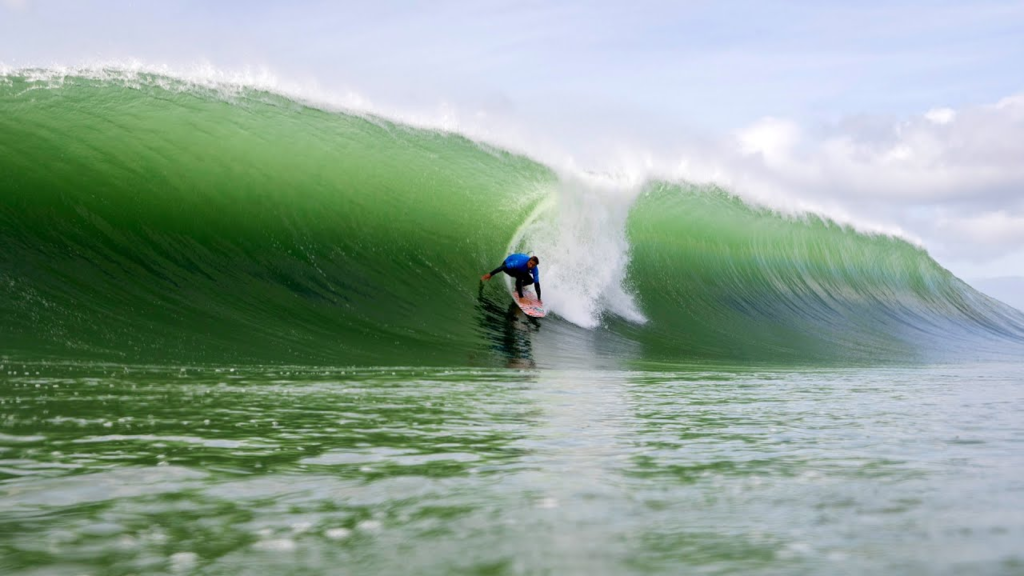
You do not need to travel far from Lisbon to find quality waves. Several spots within 30 minutes of the city center deliver excellent surfing conditions.
Carcavelos
Often called Lisbon’s best beach break, Carcavelos produces world-class waves when conditions align. The dramatic backdrop of Fort São Julião da Barra adds character to sessions here. On good days, expect fast, hollow waves that can rival anything in Portugal.
The downside? Proximity to Lisbon means crowds, especially when the surf turns on. Local rippers pack the lineup when quality swells arrive. For detailed information about surfing here, see our Carcavelos surf guide.
Costa da Caparica
South of Lisbon’s Tagus River, Costa da Caparica stretches 24 kilometers with countless beach break peaks. The northern end near the city gets crowded, but drive south, and you will find increasingly empty lineups with quality waves.
This stretch works as one of the most consistent beginner-friendly zones in Portugal during the summer. Winter brings bigger swells that challenge intermediate and advanced surfers. Multiple surf camps operate along this coast, making it accessible for visitors wanting to learn.
For more options near the capital, explore our complete surfing in Lisbon guide and Cascais surf spots.
Algarve: Portugal’s Southern Surf Coast
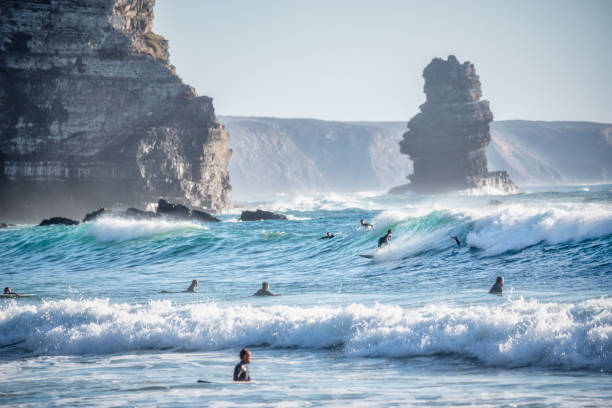
Portugal’s southernmost region surprises many visitors with excellent surf. The western Algarve coast faces the Atlantic and receives consistent swells year-round, while the southern shore provides sheltered options when north winds blow.
Sagres and the Southwest Corner
The area around Sagres sits at Portugal’s southwestern tip, where Prince Henry the Navigator once established his navigation school. Today, surfers come for reliable waves and uncrowded lineups.
Tonel breaks directly below the historic Sagres Fortress. This consistent beach break produces waves for all levels, depending on swell size. Winter swells can deliver impressive power here.
Beliche offers protection from northwest winds and breaks with hollow A-frame peaks. Strong currents make it unsuitable for beginners, but intermediate and advanced surfers find quality waves when conditions align.
Arrifana: The Algarve’s Jewel
Nestled beneath whitewashed cliffs, Arrifana ranks among Portugal’s most beautiful surf spots. The beach break works well for beginners and intermediates in smaller conditions. However, the real draw waits at the northern end.
A world-class right-hand reef break fires when solid swells arrive from the west. This wave needs at least 2 meters to run but can hold three times that size. When conditions come together, Arrifana delivers one of the best waves in the Algarve with barrel sections and long rides.
Praia do Amado
This consistent surf beach draws surfers of all levels year-round. Multiple peaks spread across the beach, with mellower waves for beginners on one end and more challenging sections for experienced surfers elsewhere. The dramatic cliff surroundings add to the appeal.
Best Time to See Portugal’s Biggest Waves
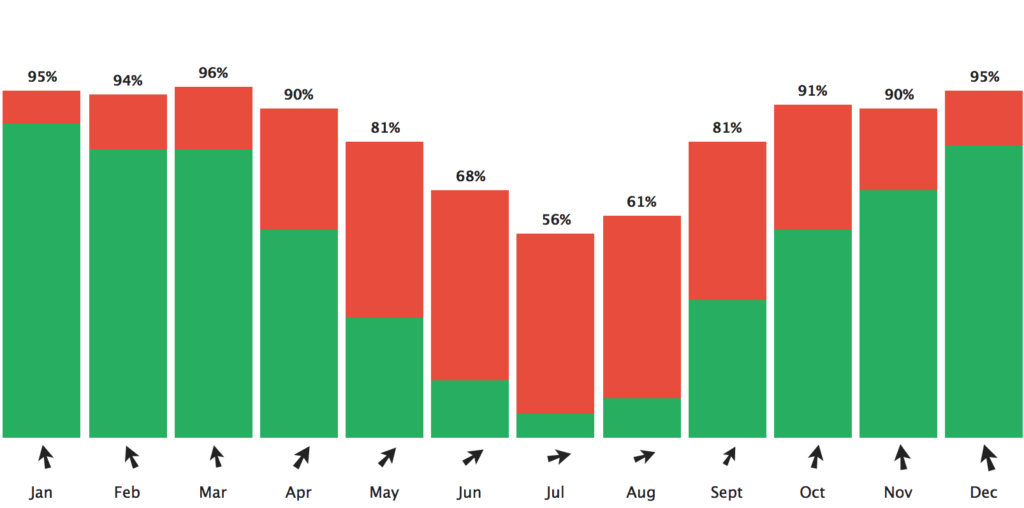
Portugal’s surf season runs year-round, but wave size varies dramatically by month.
October through March delivers the biggest waves across Portugal. North Atlantic winter storms generate powerful swells that light up every coast. This period offers the highest probability of witnessing Nazaré’s giants and finding overhead waves at Supertubos, Ericeira, and the Algarve.
November through February represents peak big wave season. Nazaré’s monster swells typically arrive during these months. The Tudor Big Wave Challenge operates on a waiting period from November through March, calling the competition when conditions align.
April through September brings smaller, mellower waves perfect for learning and intermediate progression. Summer swells rarely exceed head-high, making it ideal for surf schools and less experienced riders. The Algarve’s west coast remains surprisingly consistent even during these months.
Water temperatures range from 14-17°C in winter (requiring a 4/3mm wetsuit) to 18-21°C in summer (when a 3/2mm works fine).
How to Experience Portugal’s Biggest Waves
Watching as a Spectator
You do not need to surf to experience Portugal’s incredible waves. Watching Nazaré’s giants from the fort viewpoint ranks among Europe’s most awe-inspiring natural spectacles. The experience costs nothing and delivers memories that last a lifetime.
Sign up for big wave alerts at NazareWaves.com to know when major swells approach. With three to five days notice, you can plan your visit around optimal conditions.
Our Óbidos and Nazaré Full Day Tour combines big wave watching with exploring the medieval walled town of Óbidos. A knowledgeable local guide handles logistics while you focus on the experience.
Learning to Surf
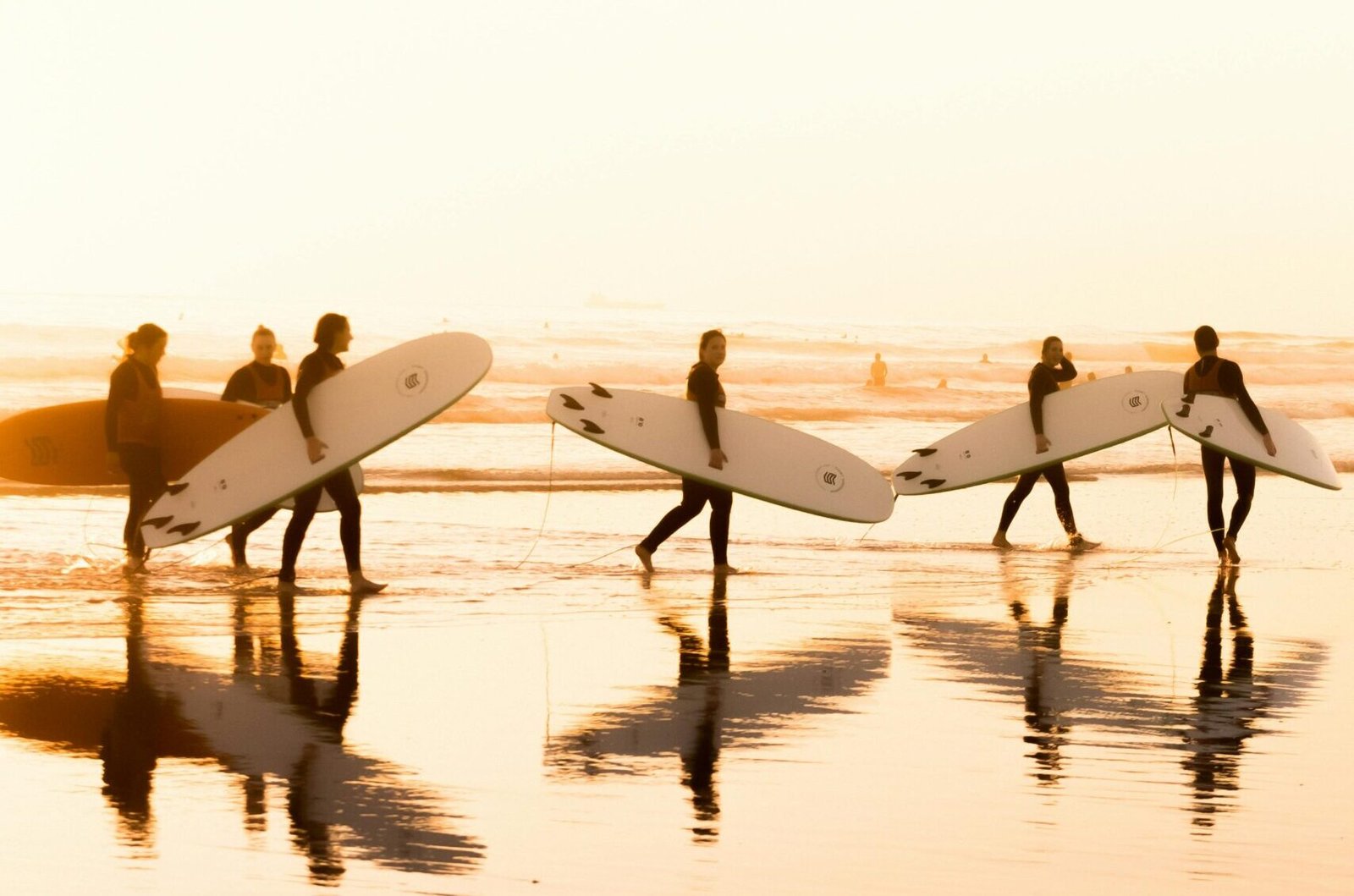
Portugal offers countless surf schools for beginners. The best spots for first-timers include Baleal near Peniche, Foz do Lizandro in Ericeira, Costa da Caparica near Lisbon, and Praia do Amado in the Algarve. These beaches feature gentle waves, sandy bottoms, and professional instruction.
Surfing Portugal’s Bigger Waves
Spots like Supertubos, Coxos, and Arrifana’s reef demand significant experience. These waves break with power over shallow bottoms and attract competitive local crowds. Build your skills at mellower breaks before tackling Portugal’s most challenging waves.
As for Nazaré’s giants? Leave those to the elite professionals with jet ski support teams. Only about 100 surfers worldwide possess the skills to survive waves this size.
Beyond the Waves: Complete Your Portugal Surf Trip
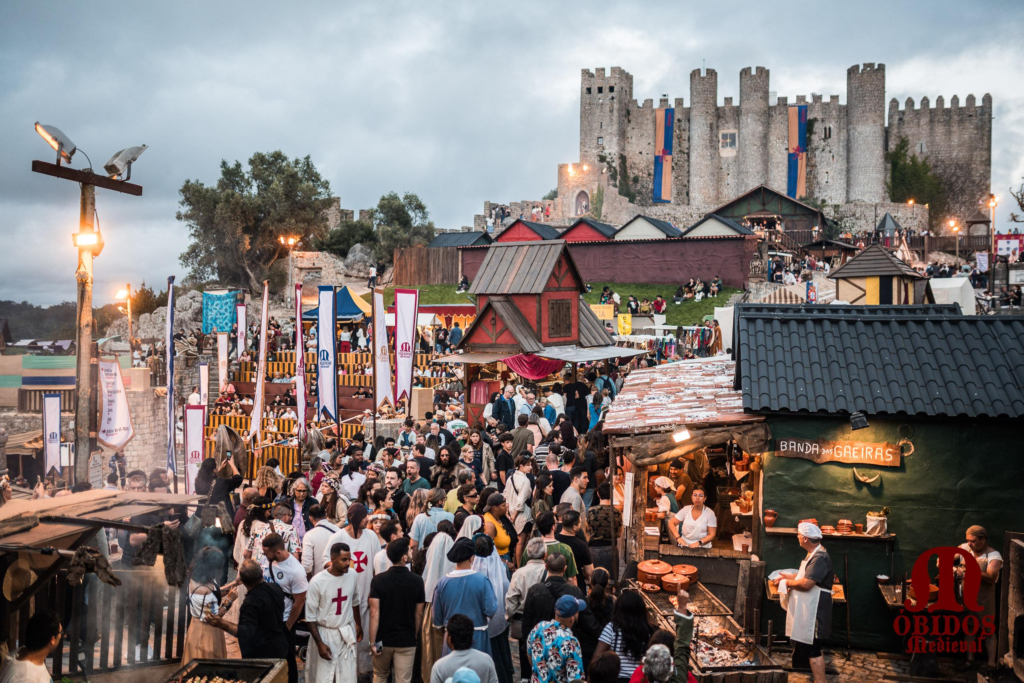
Portugal’s surf regions offer much more than waves. Between sessions, explore medieval castles, sample fresh seafood, and wander cobblestone streets through historic villages.
Combine Nazaré with the enchanting walled town of Óbidos, where ginjinha (cherry liqueur) served in chocolate cups awaits. During the winter months, the Óbidos Christmas Village transforms the town into a magical holiday destination.
The Algarve delivers stunning cliff-lined beaches for relaxation between surf sessions. Ericeira’s traditional fishing village atmosphere includes excellent restaurants and charming narrow streets. Peniche offers fresh grilled fish overlooking the harbor.
For exploring multiple regions efficiently, consider our curated day trips from Lisbon that combine surf spots with cultural highlights.
Experience Portugal’s Legendary Waves
From 100-foot walls of water at Nazaré to perfect barrels at Supertubos, Portugal delivers waves that draw surfers from every corner of the globe. The country’s 1,800 kilometers of Atlantic coastline provide options for complete beginners through world-record-chasing professionals.
Whether you come to watch the spectacle from Nazaré’s clifftops or catch your first wave at a Lisbon-area beach break, Portugal’s surf culture welcomes you. The combination of consistent swells, varied breaks, excellent food, and rich history makes this country unmatched as a surf destination.
Ready to witness Portugal’s incredible waves? Our Óbidos and Nazaré Full Day Tour takes you to the world’s biggest surfable waves and a fairytale medieval village in a single day from Lisbon. Let us handle transportation and local expertise while you focus on experiencing the power of the Atlantic.