
Jose Maria da Fonseca is Portugal’s oldest table-wine company, founded in 1834 in the village of Vila Nogueira de Azeitao, about 35 kilometres south of Lisbon. It is the family behind Periquita, the country’s first commercial table wine, and Lancers, the rose that conquered America in the 1970s. You can tour its historic Casa-Museu and cellars and taste the wines where they are made, roughly 30 to 40 minutes from the capital.
This guide covers the house and its wines, then the practical side: what the visit includes, the opening hours, and how to get to Azeitao. If you want the wider village and its second great estate, Bacalhoa, our guide to Azeitao wine tasting covers both. Here the focus is the house that put Azeitao on the wine map.
- Founded: 1834, still family-owned
- Famous for: Periquita reds, Lancers rose, Alambre Moscatel de Setubal
- The visit: guided Casa-Museu and three cellars, ending with a tasting
- Where: Vila Nogueira de Azeitao, about 35 km south of Lisbon
- Booking: recommended; no fixed price published online
Recommended tour
FULL DAY PRIVATE TOUR - WINE TASTING + SESIMBRA & ARRÁBIDA NATIONAL PARK
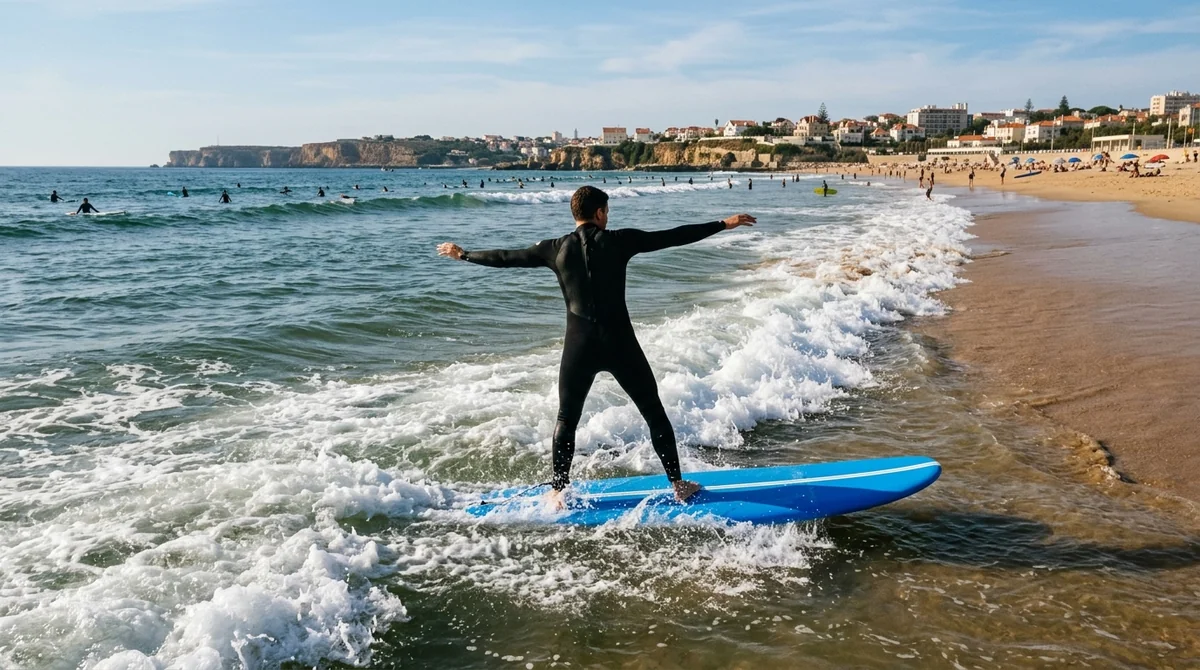
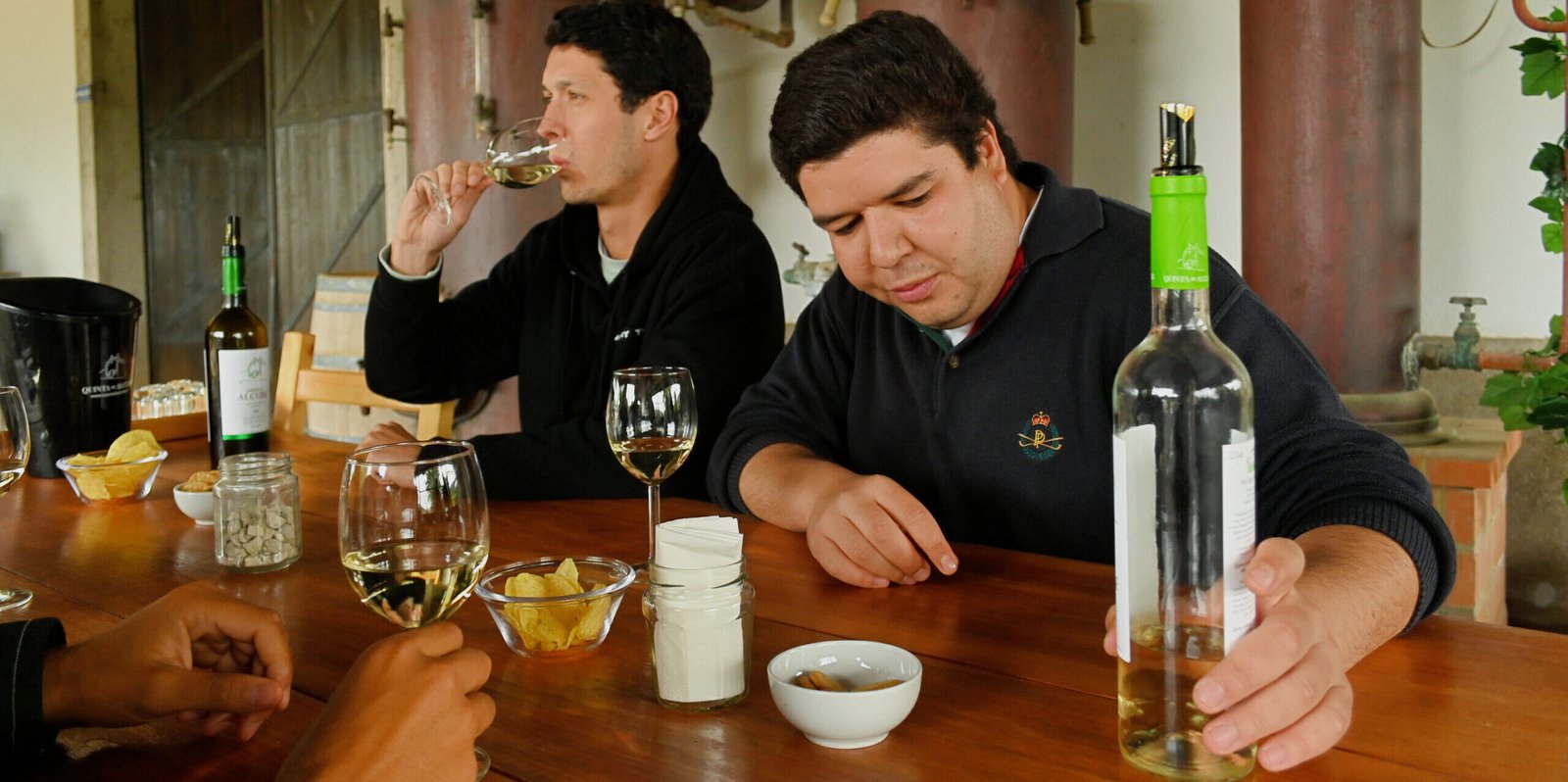
Join a private 9-hour tour exploring Azeitão, Sesimbra, and Arrábida. Enjoy a guided journey with Francisco Gomes, including A.C. transport, professional guidance and a private wine tasting of four varieties at a renowned vineyard. Max: 8 people.
See dates & book →Who Is Jose Maria da Fonseca?
Jose Maria da Fonseca is both a man and a company. The founder, born in 1804 and a mathematics graduate from the University of Coimbra, started making wine in Azeitao in 1834. Almost two centuries later the business is still run by his descendants, with the winemaking led in recent decades by Domingos Soares Franco of the sixth generation. That unbroken family line is rare in Portuguese wine and is a large part of the appeal.
The house sits in Vila Nogueira de Azeitao, on the sheltered northern side of the Serra da Arrabida. The limestone hills and warm, protected slopes are what let this small corner produce both serious reds and the honeyed Moscatel it is known for. The village grew up around the wine trade, and the family house at its centre is now the Casa-Museu you tour.
Periquita: Portugal’s Oldest Table Wine
Periquita is the wine that made the house. First sold in 1850, it is often called Portugal’s oldest commercial table wine, and it still carries the name of the plot where the grapes first grew, the Cova da Periquita. Periquita means parakeet, and over time the nickname stuck to the grape itself.
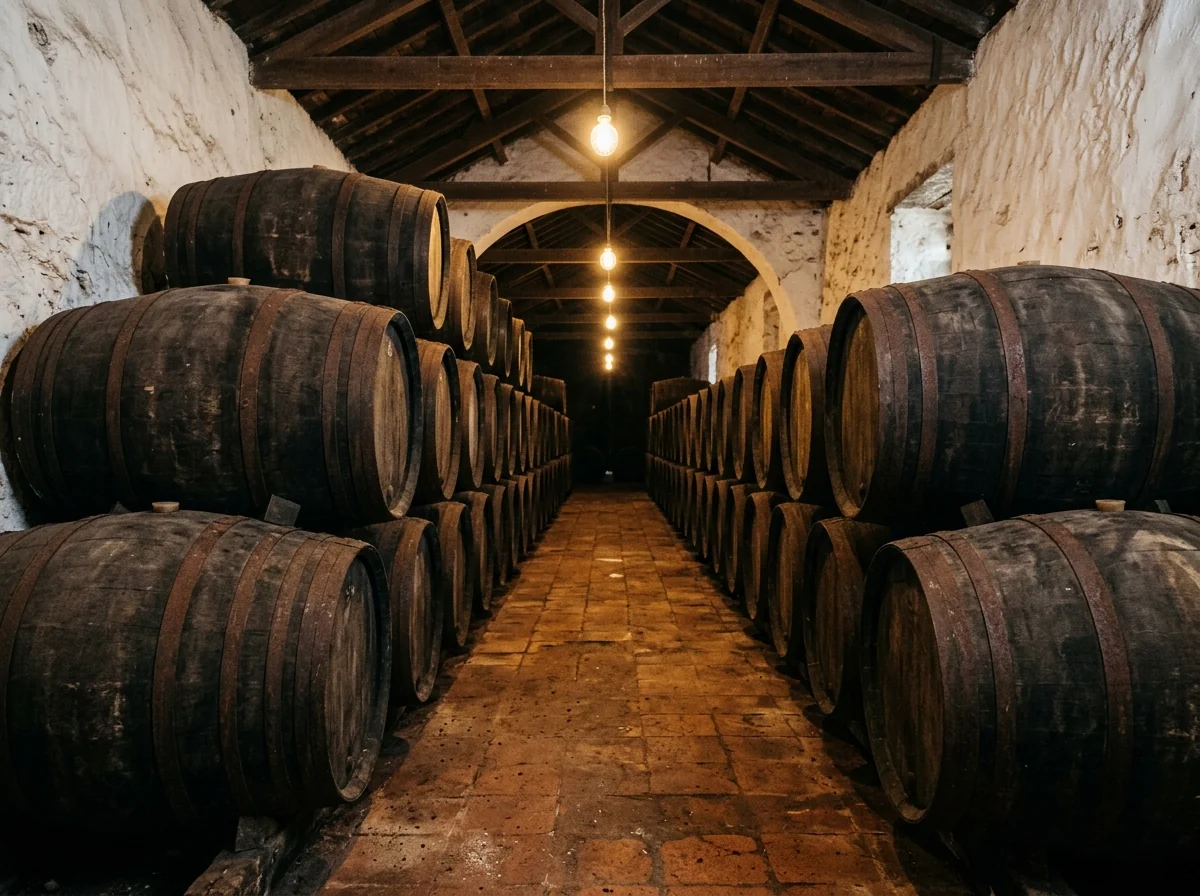
The grape behind Periquita is Castelao, the workhorse red of the Setubal Peninsula, which gives firm, red-fruited wines that age well. One honest detail the labels do not shout: modern Periquita is a blend built on Castelao rather than a single-grape wine, with other Portuguese reds rounding it out. The 1885 vintage won gold medals in Berlin and Barcelona, which tells you the house was exporting quality early.
Lancers and the American Story
If you grew up in the United States in the 1970s, you may know Jose Maria da Fonseca without realising it. Lancers, the medium-sweet, lightly sparkling rose in the round stoneware bottle, was created here in 1944 for the American market, after a New York importer bet that returning soldiers would want easy-drinking imported wine.
The bet paid off. Through the 1960s and 1970s Lancers, alongside its rival Mateus, became one of the best-known imported wines in America, the bottle that introduced a generation to Portuguese wine. It is still made today, and its story is a good reminder that this quiet Azeitao house has had a long international reach.
Moscatel de Setubal and the Teares Velhos Cellar
The wine most visitors remember from a tasting here is the Moscatel de Setubal, sold under the Alambre brand. Jose Maria da Fonseca first bottled Moscatel in 1849 and won a gold medal at the Paris Universal Exhibition that same year, and the house has been a defining producer of the style ever since.
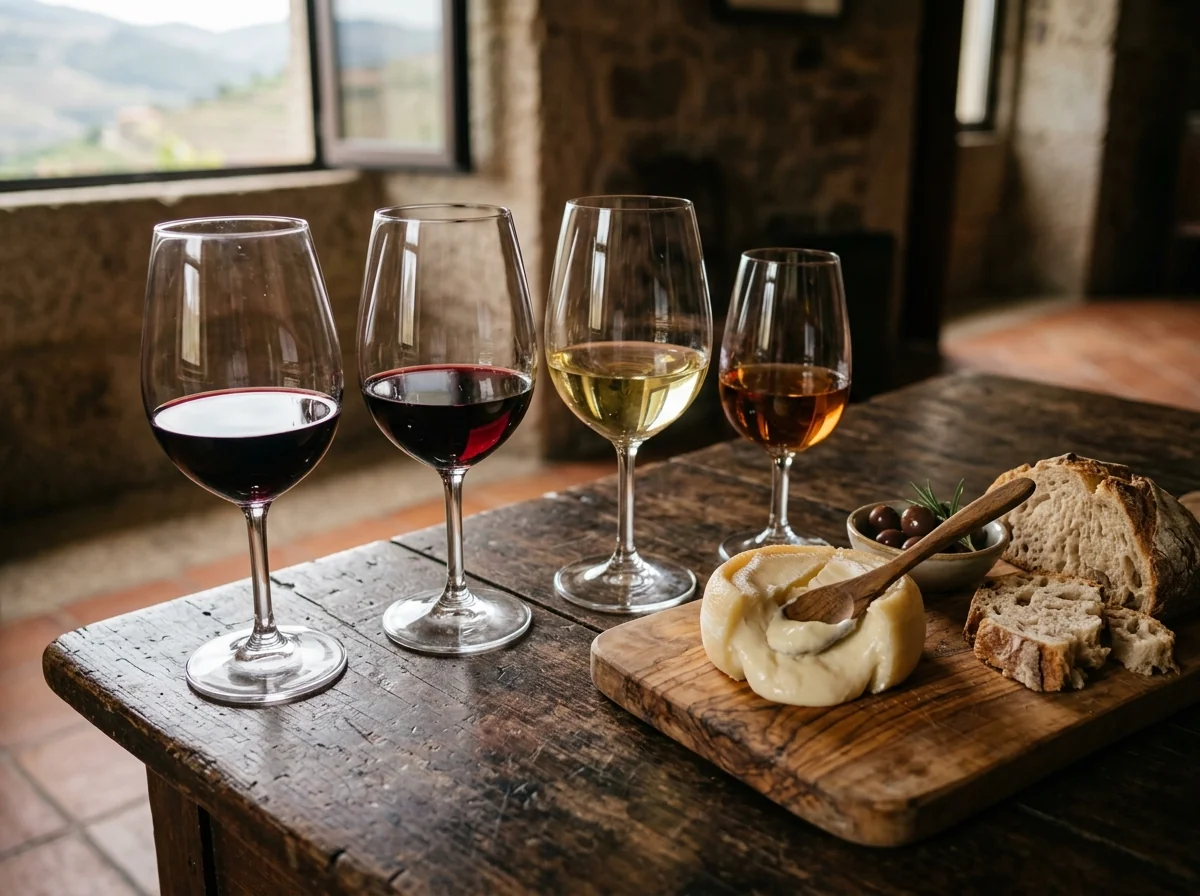
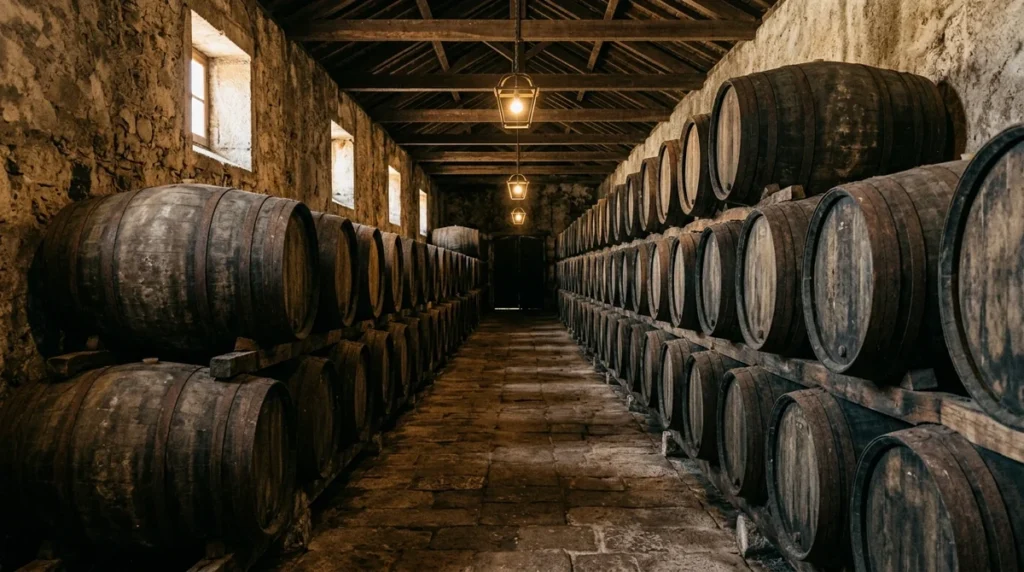
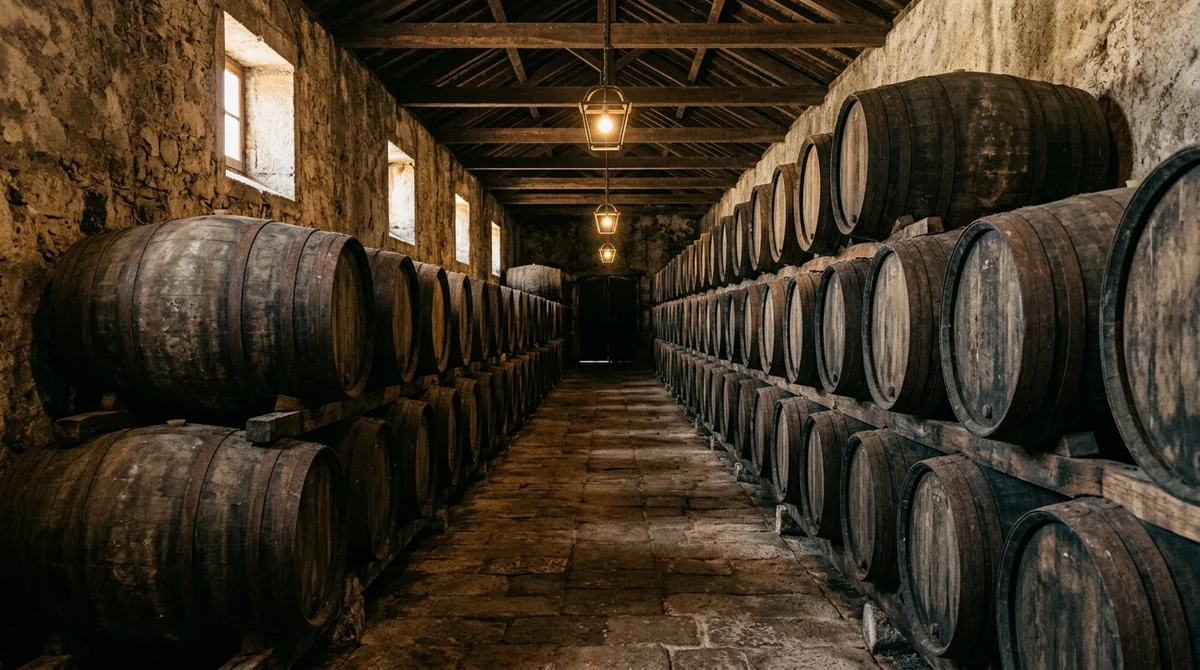
The highlight of the cellar tour is the Adega dos Teares Velhos, the old-looms cellar named for Azeitao’s former textile trade. Inside, barrels of Moscatel age for decades, and the house keeps very old reserves, including bottlings released at 10, 20 and even more years of wood ageing. If you want to understand the wine itself, our guide to Moscatel de Setubal explains how it is made and how the young and aged styles differ.
Visiting the Casa-Museu and Cellars
A visit to Jose Maria da Fonseca is a guided walk through three linked spaces, ending with a tasting. It takes a comfortable hour or so, and it is the most complete cellar experience in Azeitao.
- The Casa-Museu: the 19th-century family house and museum, kept much as it was
- Three cellars: the Adega da Mata, the Adega dos Teares Novos and the historic Adega dos Teares Velhos
- A tasting: a guided flight of the estate’s wines to finish
| Season | Visit hours | Shop |
|---|---|---|
| April to October | 10:00 to 17:30, daily | Open to 19:00 |
| November to March | 10:00 to 16:30, daily | Open to 17:30 |
How to Visit: On Your Own or on a Tour
There is no train station in Azeitao, so reaching the winery takes a little planning. You have two realistic choices.
On your own
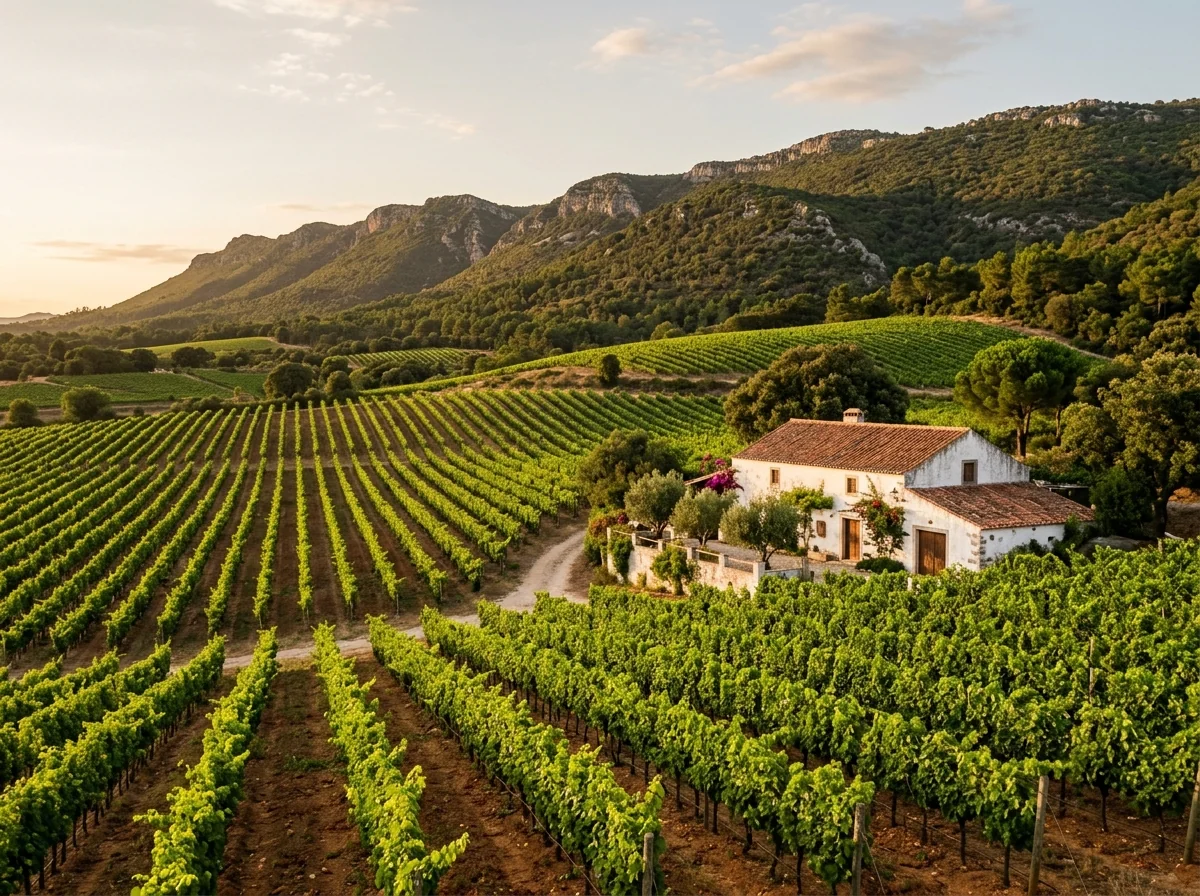
Driving is the direct option: about 30 to 40 minutes from central Lisbon across the 25 de Abril bridge, with easy parking in the village. The catch is the tasting. Portugal’s legal limit is 0.5 grams of alcohol per litre of blood, and just 0.2 for drivers in their first three years, so someone has to stay largely dry. You can also reach Azeitao by train to Setubal and then a local bus, but the buses are infrequent, which our Azeitao wine guide covers in detail.
On a guided tour
The simpler answer is to let someone else drive. Our full-day wine tour from Lisbon visits the Jose Maria da Fonseca cellars in Azeitao and a family-run vineyard, then adds a seafood lunch and beach time in Sesimbra and a drive through the Arrabida park, with Francisco guiding the history and the wine. Everyone gets to taste, which is the point.
Recommended tour
FULL DAY PRIVATE TOUR - WINE TASTING + SESIMBRA & ARRÁBIDA NATIONAL PARK
Join a private 9-hour tour exploring Azeitão, Sesimbra, and Arrábida. Enjoy a guided journey with Francisco Gomes, including A.C. transport, professional guidance and a private wine tasting of four varieties at a renowned vineyard. Max: 8 people.
See dates & book →Frequently Asked Questions
Where is Jose Maria da Fonseca and how far is it from Lisbon?
The winery is in Vila Nogueira de Azeitao, on the Setubal Peninsula about 35 kilometres south of Lisbon. Driving across the 25 de Abril bridge takes roughly 30 to 40 minutes. There is no train station in Azeitao, so most visitors drive or come on a guided tour from Lisbon.
What are the opening hours of Jose Maria da Fonseca?
Guided visits run daily, from 10:00 to 17:30 between April and October and 10:00 to 16:30 between November and March, with the shop open a little later. The winery recommends booking your visit and tasting in advance by phone, WhatsApp or email to secure a tour slot.
What does the Jose Maria da Fonseca tour include?
The guided visit walks you through the 19th-century Casa-Museu, the family house and museum, and three historic cellars, ending with a tasting of the estate’s wines. Reservations are recommended, and the winery does not publish a fixed price online, so confirm the cost when you book.
What is Periquita wine?
Periquita is Jose Maria da Fonseca’s red wine brand, sold since 1850 and often called Portugal’s oldest commercial table wine. It is built on the Castelao grape, which locals nicknamed Periquita, meaning parakeet. Modern Periquita is a blend led by Castelao rather than a single grape.
Is Lancers wine still made?
Yes. Lancers is a medium-sweet, lightly sparkling rose created by Jose Maria da Fonseca in 1944 for the American market, known for its round stoneware bottle. It became one of the best-known imported wines in the United States and is still produced by the family today.
What is Moscatel de Setubal?
Moscatel de Setubal is a sweet fortified wine from the Setubal Peninsula. Jose Maria da Fonseca sells it under the Alambre brand and keeps very old barrels in its Teares Velhos cellar in Azeitao. The house first bottled Moscatel in 1849 and won a gold medal in Paris that same year.
Plan Your Visit to Jose Maria da Fonseca
Few wineries let you taste inside two centuries of history the way this one does, from the parakeet that named a grape to the crock bottle that sold Portugal to America. Book ahead, drive if you have a designated driver, or let a tour handle the road so everyone can taste. Our full-day wine tour with Francisco visits the Azeitao cellars and pairs them with Sesimbra and the Arrabida coast, transport and lunch included.

-
FULL DAY PRIVATE TOUR - WINE TASTING + SESIMBRA & ARRÁBIDA NATIONAL PARK
From €95.00 per personBook Now