

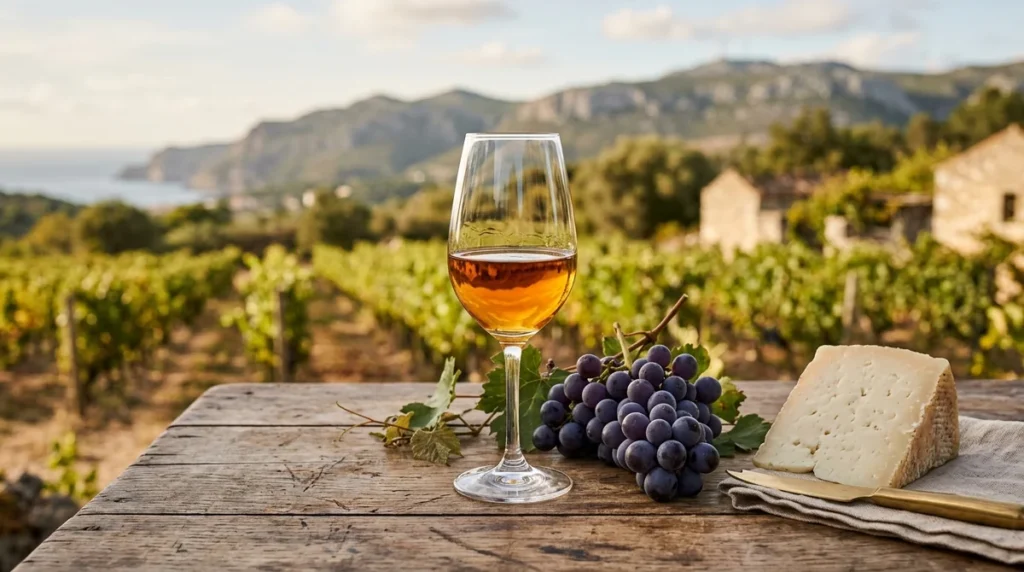
Moscatel de Setubal is a sweet fortified wine from the Setubal Peninsula, just south of Lisbon. It is made mainly from Moscatel of Alexandria grapes grown on the limestone slopes of the Serra da Arrabida, fortified with grape spirit to keep its honeyed sweetness, and aged in wood for years. Young bottles taste of orange and marmalade; old ones of fig, walnut and honey.
This guide explains what the wine is, how it is made, how the young and aged styles differ, and how to serve and pair it. It is the wine you taste on any Azeitao wine tasting, and understanding it makes the visit far better.
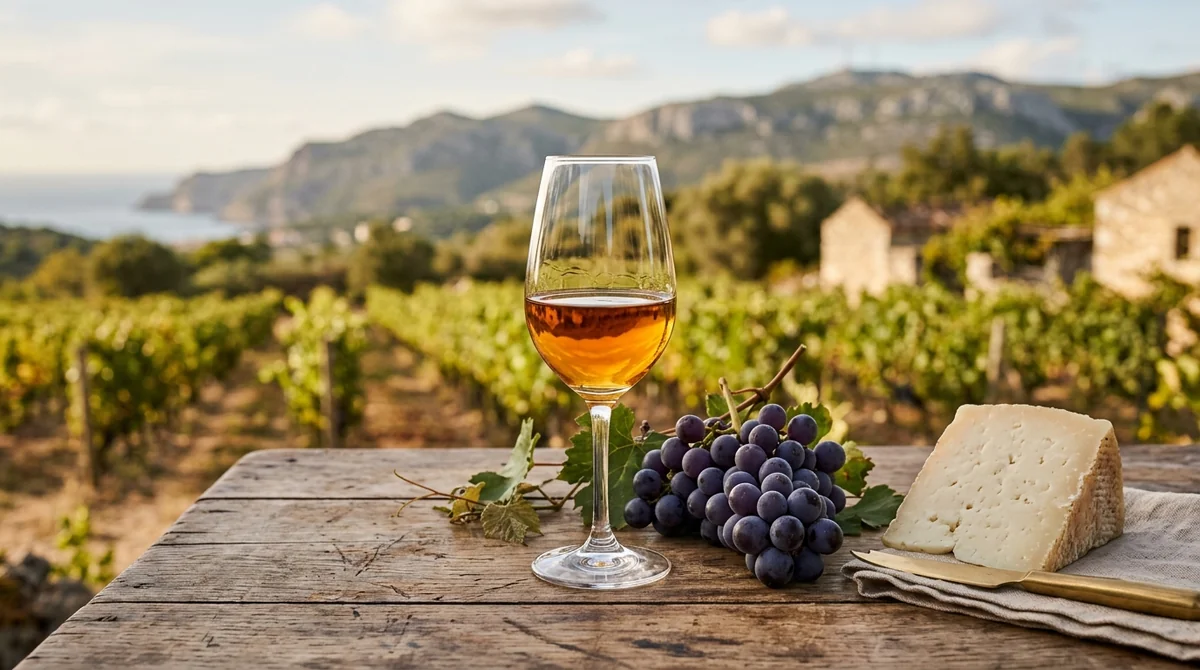
- Type: sweet fortified wine, usually 17 to 19 percent alcohol
- Main grape: Moscatel of Alexandria, plus the rare Moscatel Roxo
- Where: the Setubal Peninsula, on the limestone of the Serra da Arrabida
- Styles: from fresh 18-month wines to reserves aged 20 or 40 years
- Classic pairing: Queijo de Azeitao sheep cheese
Recommended tour
FULL DAY PRIVATE TOUR - WINE TASTING + SESIMBRA & ARRÁBIDA NATIONAL PARK
Join a private 9-hour tour exploring Azeitão, Sesimbra, and Arrábida. Enjoy a guided journey with Francisco Gomes, including A.C. transport, professional guidance and a private wine tasting of four varieties at a renowned vineyard. Max: 8 people.
See dates & book →What Is Moscatel de Setubal?
Moscatel de Setubal is Portugal’s most famous Muscat wine, a sweet fortified style protected by its own Setubal DOC. The vineyards sit on the limestone hills of the Serra da Arrabida, within about 15 kilometres of the city of Setubal, and the region was formally demarcated in 1907, over a century ago. That long pedigree, plus one dominant historic producer, is why the wine is so tied to this small corner of Portugal.
The wine gets its name from its grape. To carry the Moscatel name on the label, a bottle must be at least 85 percent Moscatel; blends with less are labelled simply as Setubal. Most of it is golden to amber in the glass, sweet but not cloying, and built to age for decades.
How Moscatel de Setubal Is Made
The method is close to how Port is made, which is why the two wines can feel related. During fermentation, grape spirit is added to stop the yeast before it eats all the sugar, so the wine keeps its natural sweetness and gains strength, landing in a 16 to 22 percent alcohol range and usually around 17 to 19.
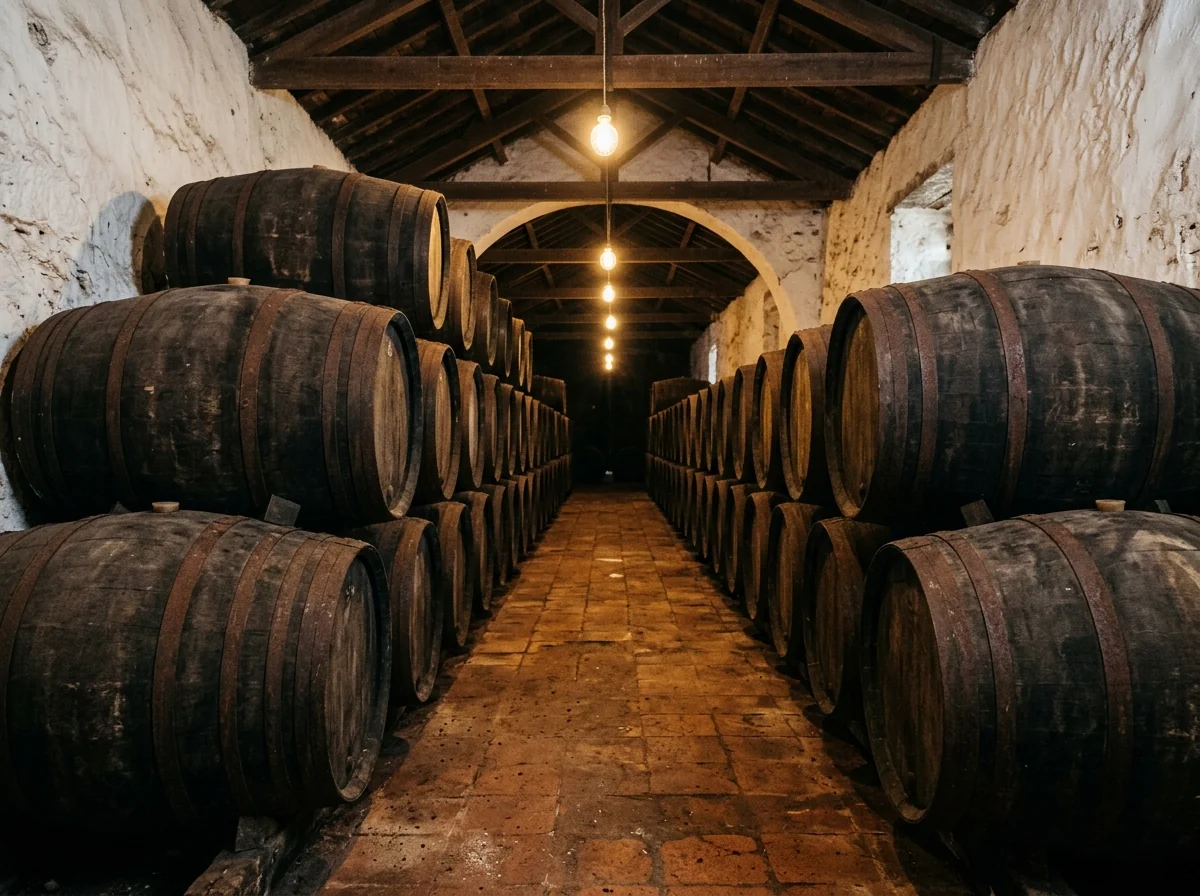
What sets Moscatel de Setubal apart is the skin contact. After fortification, the aromatic Moscatel skins are left to steep in the wine for three months or more, sometimes far longer, releasing the orange-blossom perfume the grape is known for. The wine then ages a minimum of 18 months in large old wooden vats, and the best reserves stay in wood for decades.
Young, Aged and 20-Year: The Styles
The single biggest thing to understand is age. A young Moscatel and a 20-year Moscatel taste almost like different drinks, and tasting them side by side is the best way to learn the wine.
| Style | Ageing | How it tastes |
|---|---|---|
| Young | From 18 months in wood | Orange blossom, marmalade, fresh grape, bright |
| Superior / aged | 5 years or more | Dried fig, walnut, honey and spice, deeper |
| 20 year | Around 20 years in wood | Concentrated dried fruit, caramel, nutty, long |
| 40 year | Up to 40 years in wood | Intense treacle and dried fig, silky, very long finish |
A label marked Superior means the wine is at least five years old and has been rated outstanding by the region’s tasting panel. Age statements refer to the youngest wine in the blend, so a 20-year bottle can hold much older wine too.
Moscatel de Setubal vs Moscatel Roxo
There are really two Moscatels here. The common one comes from the white Moscatel of Alexandria grape. The rarer one, Moscatel Roxo, comes from a pink-berried variety native to the peninsula, and wine lovers hunt it out.
| Moscatel de Setubal | Moscatel Roxo | |
|---|---|---|
| Grape | Moscatel of Alexandria (white) | Moscatel Roxo (pink-berried) |
| Character | Honeyed, marmalade to fig | More floral and aromatic, delicate |
| Minimum ageing | 18 months | 36 months |
| Availability | Widely made | Rare, small production |
How to Serve and What to Pair It With
Moscatel de Setubal is easy to serve well. Pour it cool, roughly 10 to 14 degrees, in small glasses of a few centilitres, since a little goes a long way. Younger, fresher bottles make a good chilled aperitif, while older, nuttier ones belong at the end of the meal.
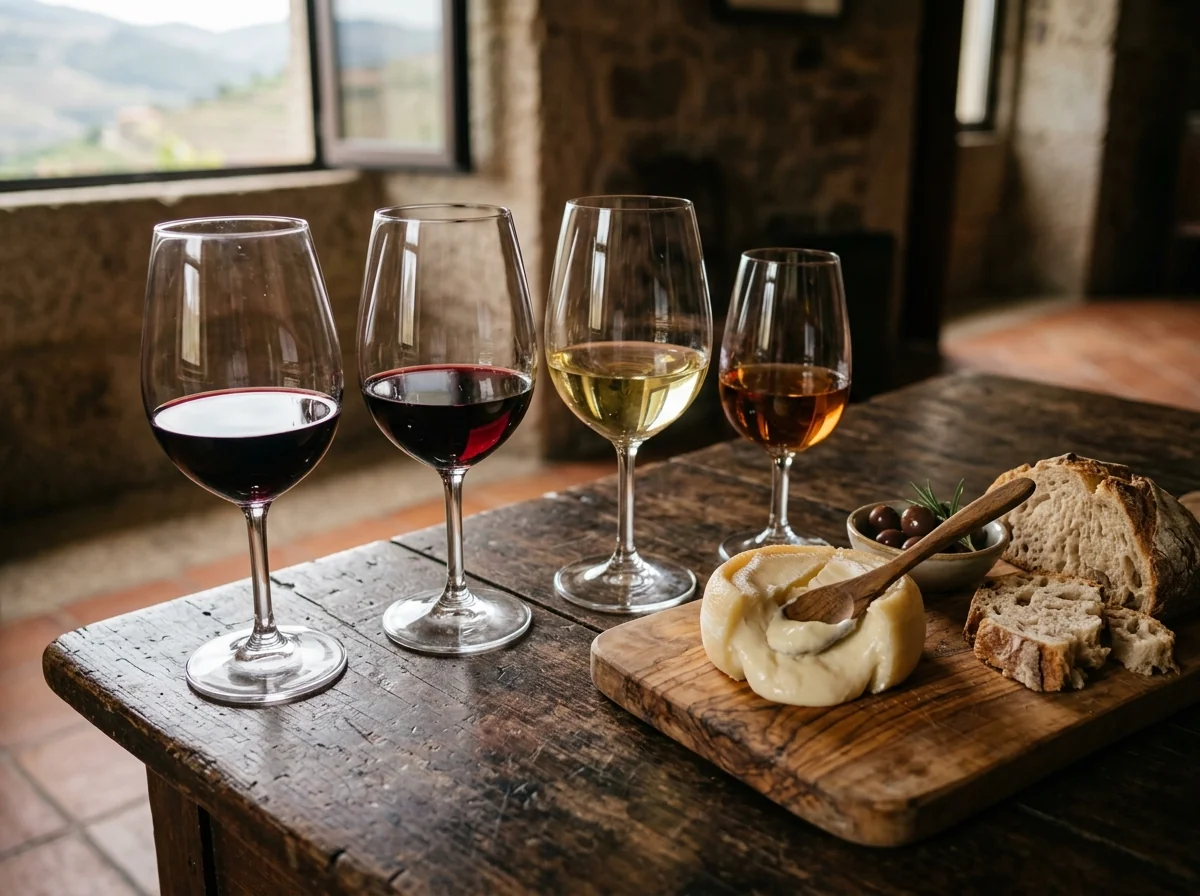
The pairing every local will tell you about is Queijo de Azeitao, the soft sheep’s cheese made in the same hills. The salty, runny cheese against the sweet wine is the flavour most people carry home from the Setubal Peninsula. Beyond that, it works with:
- Blue and strong cheeses: the sweetness balances the salt and bite
- Dark chocolate and caramel desserts: a natural match for the honeyed notes
- Nutty pastries: including the local Torta de Azeitao
- Foie gras: a classic sweet-and-savoury pairing for the aged styles
Where to Taste Moscatel de Setubal Near Lisbon
The best place to try it is where it is made, in Azeitao. Two estates open their cellars for tastings, and both keep old Moscatel reserves worth asking for.
- Jose Maria da Fonseca: the historic house, whose Alambre brand defined the style, with very old barrels in its Teares Velhos cellar
- Bacalhoa: a 15th-century estate that makes award-winning Moscatel and Moscatel Roxo
- Smaller peninsula producers: names like Venancio da Costa Lima and the Pegoes cooperative also make the style
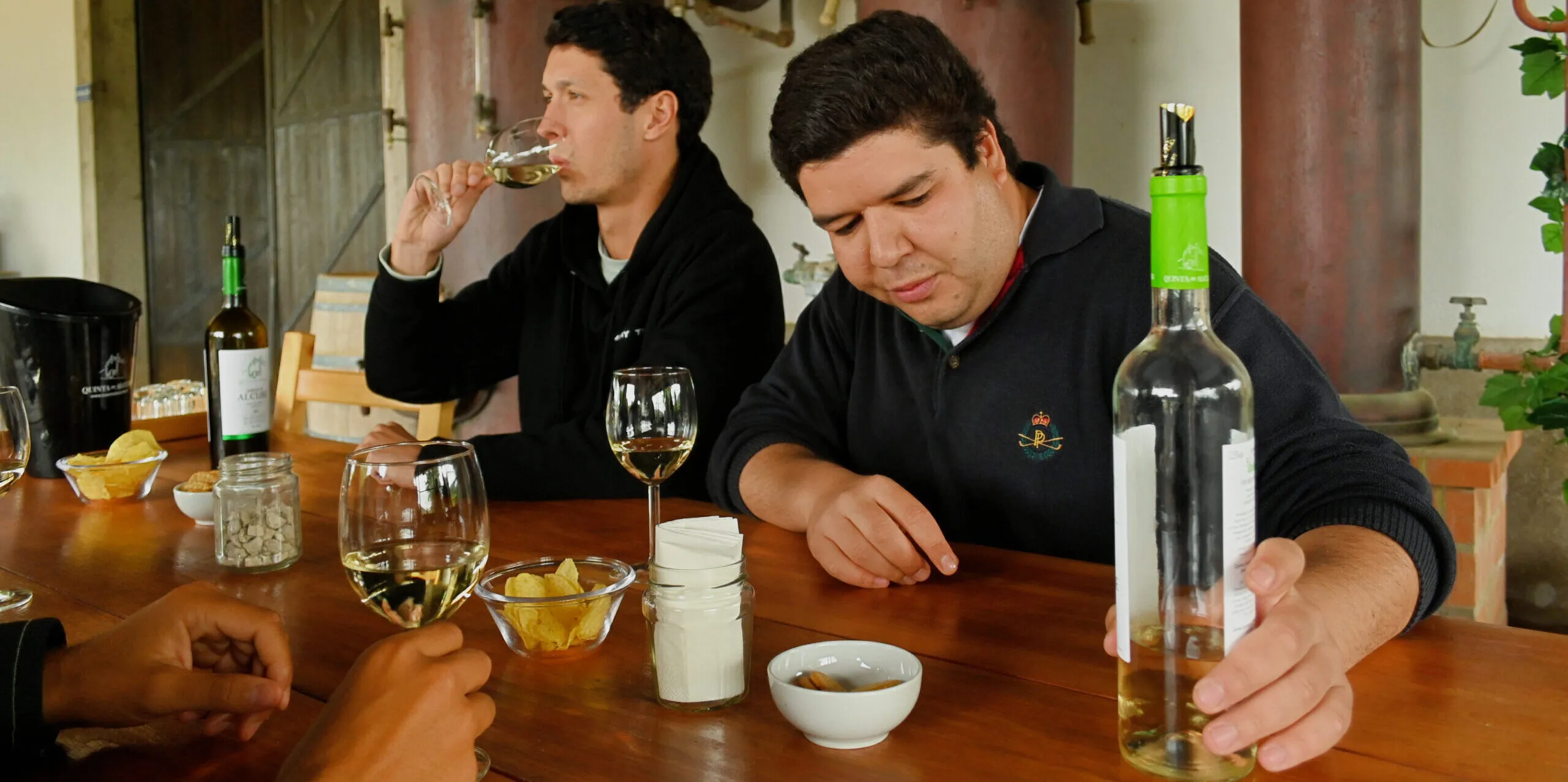
Getting to Azeitao takes a little planning, and the drink-and-drive problem means most people prefer a driver. Our full-day wine tour visits the Azeitao cellars and pairs the tasting with Sesimbra and the Arrabida coast, so everyone can enjoy the Moscatel.
Recommended tour
FULL DAY PRIVATE TOUR - WINE TASTING + SESIMBRA & ARRÁBIDA NATIONAL PARK
Join a private 9-hour tour exploring Azeitão, Sesimbra, and Arrábida. Enjoy a guided journey with Francisco Gomes, including A.C. transport, professional guidance and a private wine tasting of four varieties at a renowned vineyard. Max: 8 people.
See dates & book →Frequently Asked Questions
What is Moscatel de Setubal?
Moscatel de Setubal is a sweet fortified wine from the Setubal Peninsula, south of Lisbon. It is made mainly from Moscatel of Alexandria grapes grown on the limestone slopes of the Serra da Arrabida. Grape spirit is added during fermentation to keep its natural sweetness, and it then ages in wood.
Is Moscatel de Setubal a dessert wine?
Yes. Moscatel de Setubal is sweet and usually served in small glasses after a meal, with cheese, chocolate or nutty desserts. Younger bottles also work chilled as an aperitif. Its sweetness comes from fortifying the wine with grape spirit before all the natural sugar has fermented away.
How strong is Moscatel de Setubal?
Moscatel de Setubal usually sits around 17 to 19 percent alcohol, within a permitted range of 16 to 22 percent. The extra strength comes from the grape spirit added during fermentation, the same fortification idea used for Port, which is one reason the two wines can feel related.
How do you serve Moscatel de Setubal?
Serve it cool, roughly 10 to 14 degrees, in small glasses of a few centilitres. Younger, fresher styles suit an aperitif, while older, nuttier ones are for dessert. Some people add an ice cube or a twist of orange peel, though many drink it neat and lightly chilled.
What does Moscatel de Setubal pair with?
The classic local pairing is Queijo de Azeitao, the soft sheep’s cheese from the same hills. It also matches blue cheese, dark chocolate, caramel and nutty desserts, and even foie gras. The wine’s honey and dried-fruit sweetness balances salty and bitter flavours particularly well.
What is the difference between Moscatel de Setubal and Moscatel Roxo?
Both are Moscatel wines from Setubal, but Moscatel Roxo comes from a rare pink-berried grape rather than the common white Moscatel of Alexandria. Roxo is more aromatic, made in much smaller amounts, and aged at least 36 months, which makes it harder to find and often more expensive.
Taste It Where It Is Made
Moscatel de Setubal is one of the wine world’s great sweet bargains, a fortified wine with the depth of a much more famous name, made half an hour from Lisbon. The best introduction is a tasting in Azeitao with a young and an aged bottle side by side. Our full-day wine tour with Francisco visits the cellars and adds the Arrabida coast and a seafood lunch, with transport included.






-
FULL DAY PRIVATE TOUR - WINE TASTING + SESIMBRA & ARRÁBIDA NATIONAL PARK
From €95.00 per personBook Now