
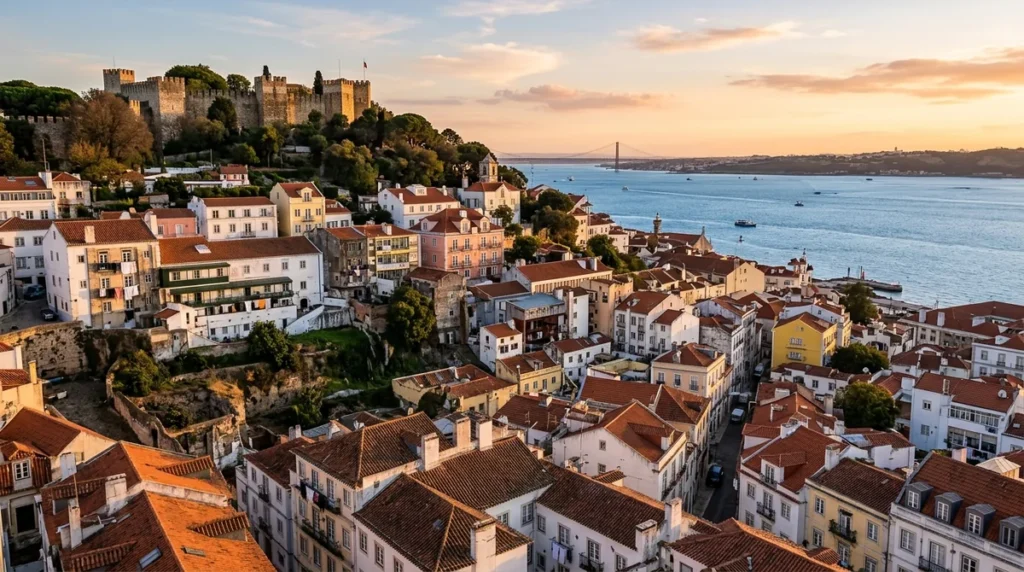
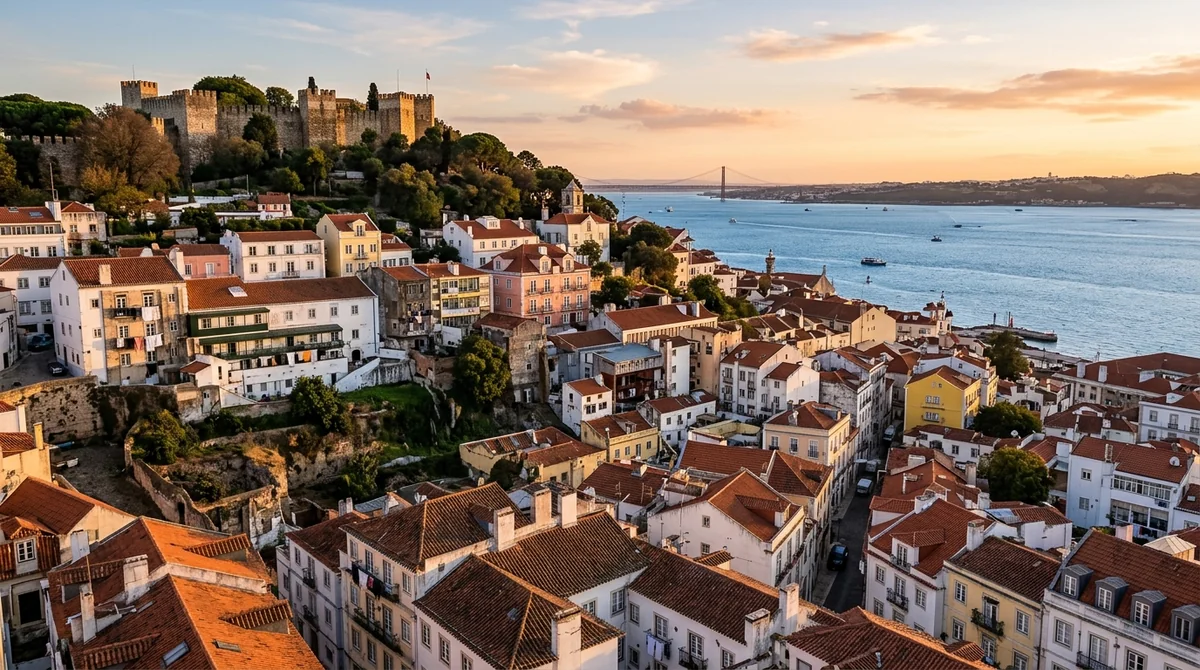
Alfama is Lisbon’s oldest neighbourhood, a maze of steep, tiled lanes tumbling down the hill from Sao Jorge Castle to the Tagus. It is the old Moorish quarter, the part of the city that survived the 1755 earthquake, and the birthplace of fado. Come for the viewpoints, the castle, the fado and the simple pleasure of getting lost. Give it half a day, wear good shoes, and go slowly.
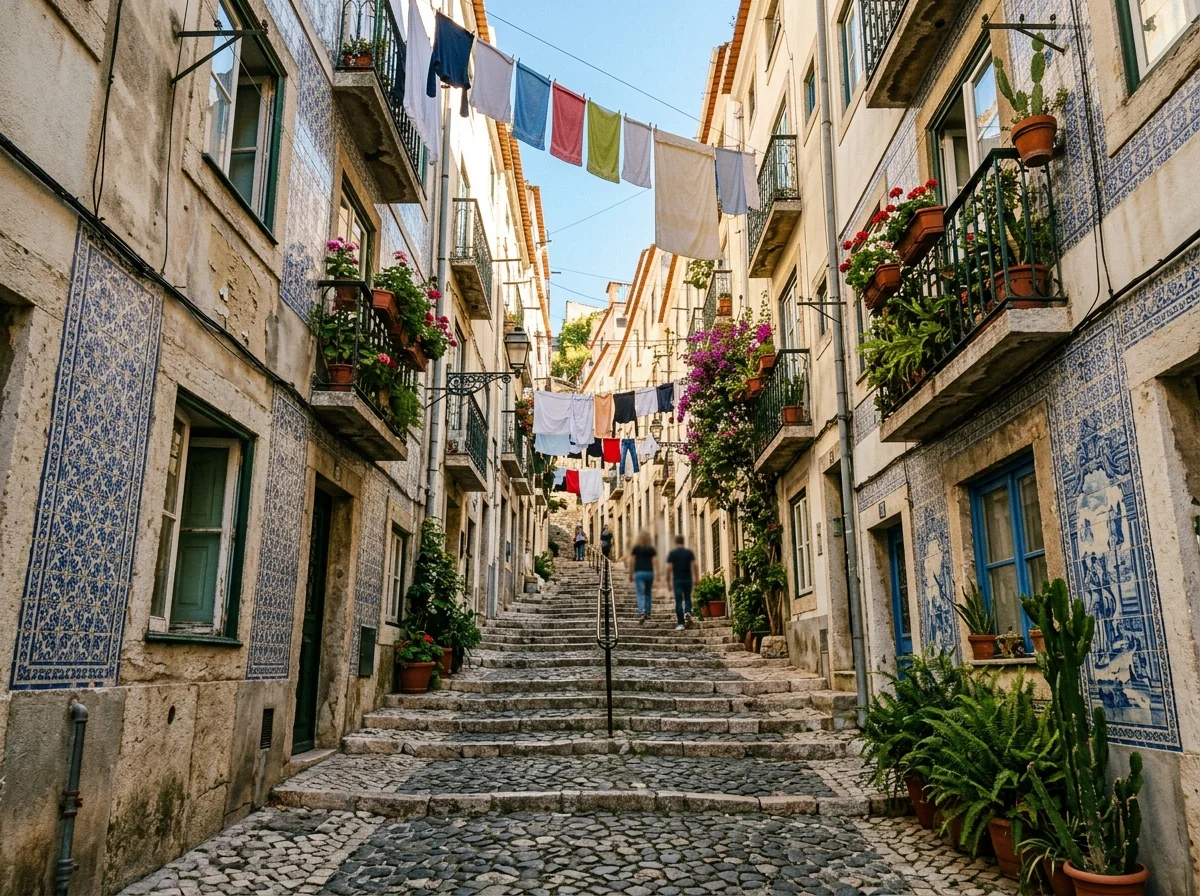
Most of Lisbon was flattened and rebuilt on a neat grid after the great earthquake. Alfama was not, which is why it still winds like a medieval town, all becos, alleys, and escadinhas, little stairways. This guide covers what to see, the best miradouros, how to handle the hills and the crowds honestly, and how the neighbourhood looks from the river below.
Recommended tour
PRIVATE VINTAGE SAILBOAT TOUR ON TAGUS RIVER - LISBON
Experience Lisbon from the Tagus River aboard Believe – a beautifully restored vintage sailboat. Cruise along the city’s iconic waterfront while enjoying breathtaking views, portuguese tapas, and different types of wine. Details: Fits up to 12 guests Daily at 3 PM or 7 PM Just select the day and we will reach out to know the preferred departure time (3 PM or 7 PM)
See dates & book →Is Alfama worth visiting?
Yes, and it is the first neighbourhood most people fall for in Lisbon. Alfama has the city’s best viewpoints, its most atmospheric streets, and a real sense of everyday life, with laundry overhead and neighbours talking across the lanes. It is the antidote to the polished centre.
The one honest caveat is the terrain. Alfama is steep and cobbled, so it is hard work for anyone with limited mobility, and it gets crowded at the viewpoints and on Tram 28 in high season. Plan for the hills and the crowds and you will love it.
What is Alfama? The oldest quarter in Lisbon
Alfama sits on the slope between Sao Jorge Castle and the river, and people have lived here since before the Romans. It was the heart of Moorish Lisbon; the name comes from the Arabic for hot springs. When the 1755 earthquake destroyed most of the city, this hillside largely held, so Alfama kept its tangle of medieval streets while the rest of Lisbon was rebuilt.
It also gave the world fado, Portugal’s mournful song, first sung here by the wives of fishermen and sailors. That mix, Moorish street plan, working-class roots and fado, is what gives Alfama its particular feeling.
What to see in Alfama
Alfama is more about wandering than ticking off sights, but a handful are worth planning around. The castle at the top is the anchor.
- Sao Jorge Castle: the Moorish hilltop castle, with the widest view over Lisbon and the river. Open daily, later in summer; an adult ticket is around 17 euros in 2026, and it is free with a Lisboa Card.
- Se de Lisboa: the fortress-like Romanesque cathedral at the foot of the hill, the oldest church in the city.
- National Pantheon: the great white-domed church where Portuguese notables rest, including the fado singer Amalia Rodrigues.
- Igreja de Santo Antonio: built on the birthplace of Lisbon’s patron saint, next to the cathedral.
- Feira da Ladra: the city’s oldest flea market, at Campo de Santa Clara, held on Tuesdays and Saturdays.
The best viewpoints
Alfama’s miradouros are the reason many people come, terraces where the tiled rooftops drop away to the river. Two sit side by side near the top of the neighbourhood.
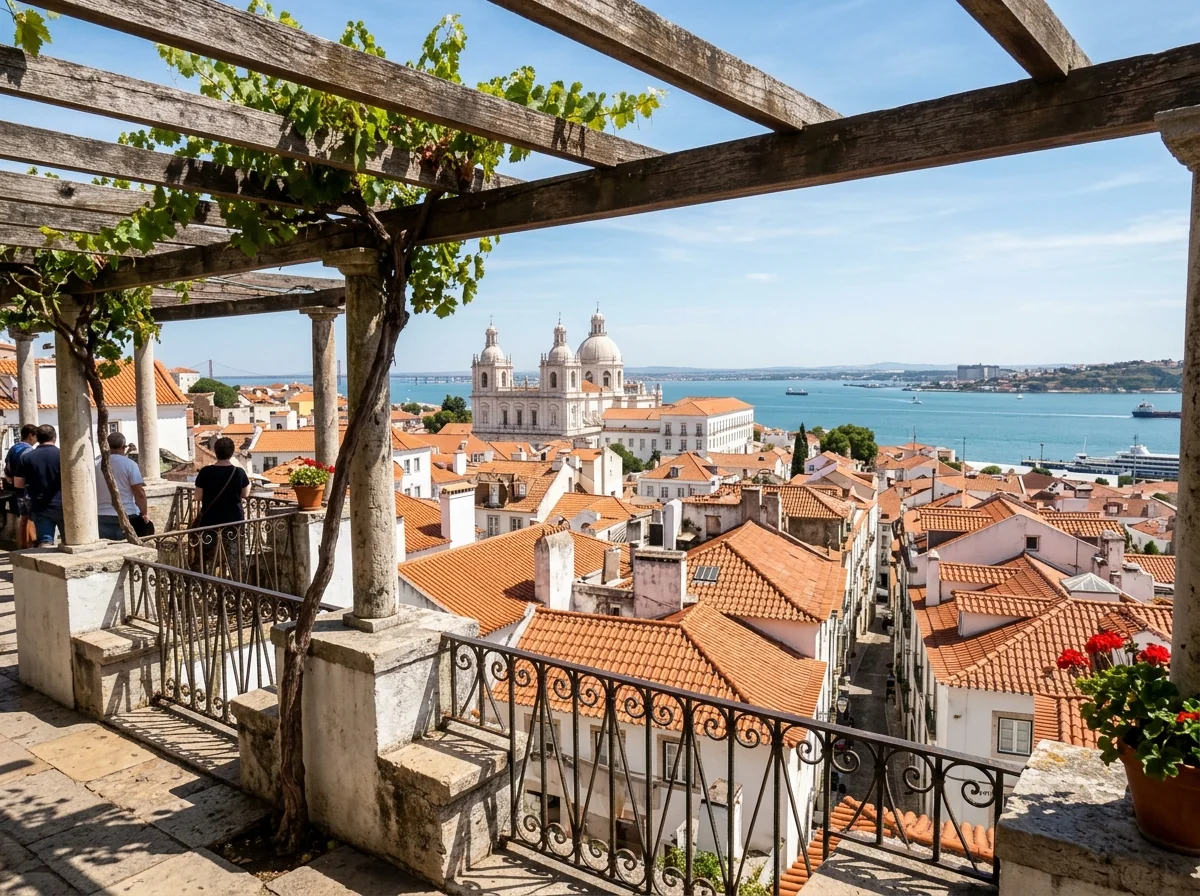
- Miradouro das Portas do Sol: the classic Alfama postcard, looking over the rooftops to the white domes of Sao Vicente de Fora and the Tagus.
- Miradouro de Santa Luzia: a few steps away, a smaller terrace with a pergola and azulejo panels on the church wall.
- Miradouro da Senhora do Monte: higher up in neighbouring Graca, the widest sunset view of the whole city.
How to explore the maze
The best plan in Alfama is barely a plan at all: ride to the top, then walk down. Losing the map among the becos and escadinhas is where the neighbourhood works its magic, and downhill saves your legs.
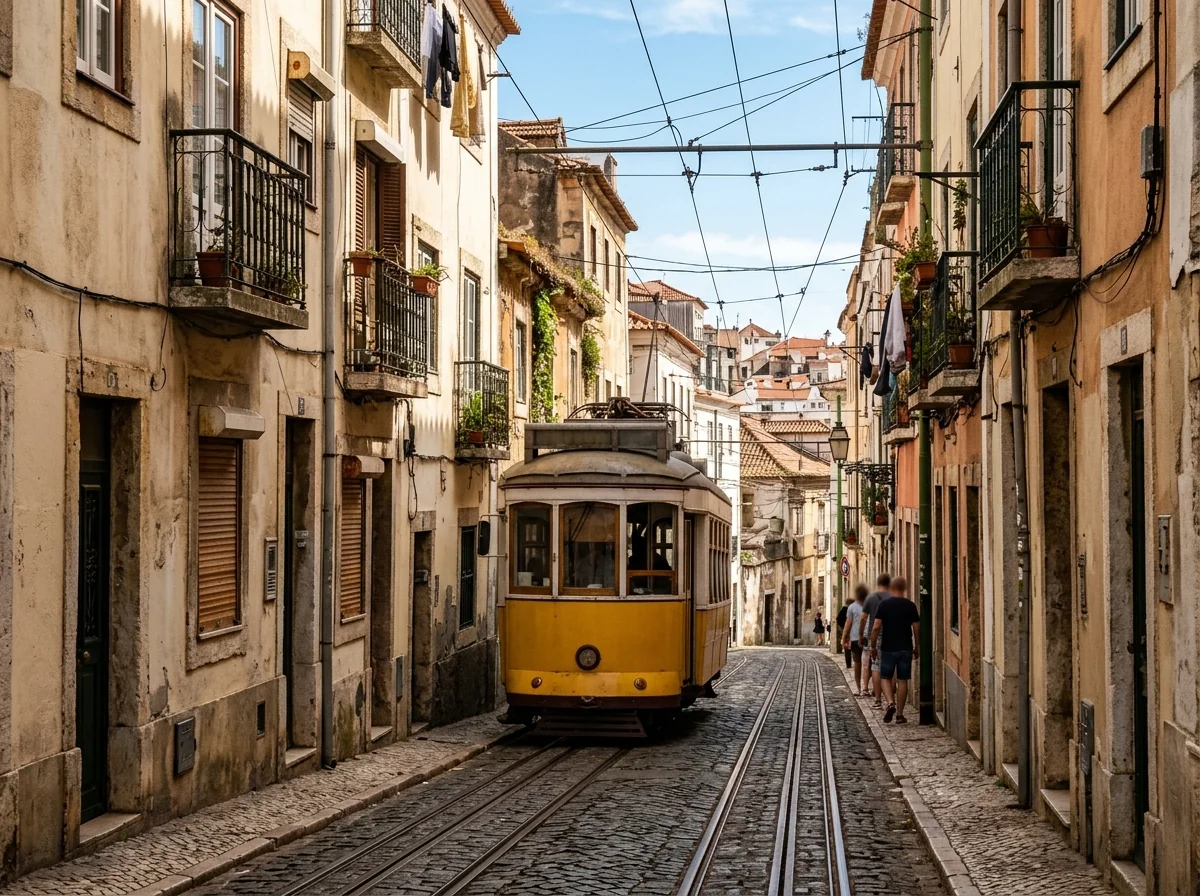
The prettiest lanes are around Rua dos Remedios and Largo de Sao Estevao, all tiled walls, potted plants and washing lines. Tram 28, the vintage yellow tram, rattles through the same streets; it is an attraction in itself, though it is slow and packed at peak times, and it is the single worst spot in the city for pickpockets.
Fado: the sound born in Alfama
Fado was born in these streets, and hearing it here is the real thing. The Museu do Fado, near the river, is the best introduction to the music and its history. In the evening, small fado houses across Alfama put on live sessions over dinner.
Choose carefully: the honest places ask for quiet during each song and charge for the food and wine rather than a show, while the tourist traps do the reverse. Ask where locals go, and eat the Portuguese classics while you listen; our guide to Portuguese food covers what to order.
Is Alfama safe, and when to go
Alfama is safe, including at night, when the fado streets are busy and lively. Apply the same sense you would in any city: the genuine risk here is pickpocketing on crowded Tram 28 and at the busy viewpoints, not anything worse. Keep valuables zipped away in the crush and you will have no trouble.
How to get to Alfama and get around
Alfama climbs a hill, so how you arrive matters. The simplest approach is to get to the top and walk down through the lanes.
- On foot: about ten minutes uphill from the Baixa, the flat downtown grid.
- Tram 28 or Bus 737: from Praca da Figueira up to the castle area, then wander down.
- Lisboa Card: covers the trams and buses, and the castle.
- Shoes: flat and grippy; the cobbles are steep and polished smooth.
See Alfama from the water
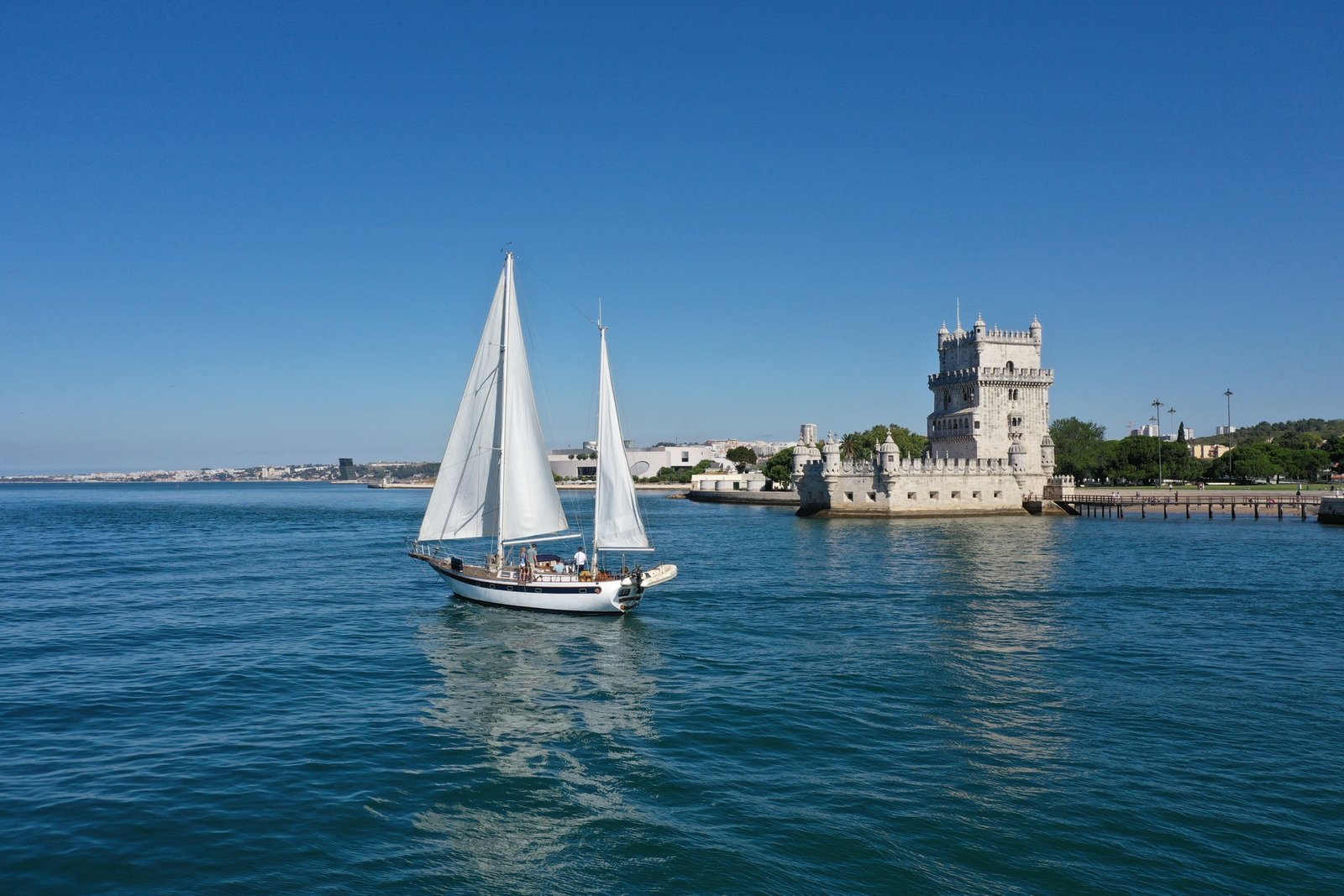
You spend a day in Alfama looking down at the Tagus. The view works the other way too: from the river, the whole hillside rises in tiers of terracotta roofs under the castle, and it is one of the best angles on old Lisbon.
Our private vintage sailboat sails this stretch of the Tagus below Alfama, and it pairs well with a day in the old town. The Lisbon sunset sailboat tour guide has the detail, and for the view from the far bank, our guide to Cristo Rei and Cacilhas shows the same skyline from across the river.
Recommended tour
PRIVATE VINTAGE SAILBOAT TOUR ON TAGUS RIVER - LISBON
Experience Lisbon from the Tagus River aboard Believe – a beautifully restored vintage sailboat. Cruise along the city’s iconic waterfront while enjoying breathtaking views, portuguese tapas, and different types of wine. Details: Fits up to 12 guests Daily at 3 PM or 7 PM Just select the day and we will reach out to know the preferred departure time (3 PM or 7 PM)
See dates & book →Frequently Asked Questions
Is Alfama worth visiting?
Yes. Alfama is Lisbon’s oldest and most atmospheric neighbourhood, a maze of steep tiled lanes below Sao Jorge Castle. It has the best city viewpoints, the birthplace of fado music, and a genuinely lived-in feel the grander districts have lost. Give it half a day and go slowly.
Is Alfama walkable?
Yes, but it is steep and cobbled, with plenty of steps and narrow lanes. Wear flat, grippy shoes. The walk up from the Baixa takes about ten minutes, or you can ride Tram 28 or Bus 737 to the top of the hill and wander down through the streets.
What is there to see in Alfama?
The main sights are Sao Jorge Castle, the Se de Lisboa cathedral, the miradouros of Portas do Sol and Santa Luzia, the National Pantheon, the Fado Museum, and the Feira da Ladra flea market on Tuesdays and Saturdays. Mostly, though, you come to wander the streets themselves.
Is Alfama safe at night?
Yes, with normal city sense. Alfama’s fado streets are lively and safe in the evening. The real risk is pickpocketing on the packed Tram 28 and at crowded viewpoints, so keep your phone and wallet zipped away in busy spots and you will be fine.
What is the prettiest street in Alfama?
There is no single answer, but Rua dos Remedios and the stepped lanes and squares around Largo de Sao Estevao are the most photogenic: tiled facades, laundry strung overhead, potted plants and the odd fado spilling out. Getting lost among them is really the point.
How do you get to Alfama?
Walk about ten minutes uphill from the Baixa, or take Tram 28 or Bus 737 from Praca da Figueira. A Lisboa Card covers the transport. Ride to the top of the hill by the castle and walk down through the lanes to save yourself the climb.
Lose the map and wander
Alfama rewards the slow visitor: ride to the castle, drift down through the tiled lanes, stop at Portas do Sol, and stay for fado after dark. Wear proper shoes, watch your pockets in the crush, and let the neighbourhood set the pace; wandering it is one of the essential things to do in Lisbon. Then see the whole hillside from the Tagus with Francisco on our private sailboat, the one view of Alfama you cannot get on foot.

-
FULL DAY PRIVATE TOUR - WINE TASTING + SESIMBRA & ARRÁBIDA NATIONAL PARK
From €95.00 per personBook Now