
Ginjinha is Portugal’s beloved sour-cherry liqueur, a sweet, deep-red drink made by steeping ginja cherries in spirit and sugar. In Lisbon you knock one back as a small shot at a hole-in-the-wall bar; in the walled town of Obidos it comes in an edible chocolate cup. It is cheap, strong and everywhere, and trying one is a small rite of passage.
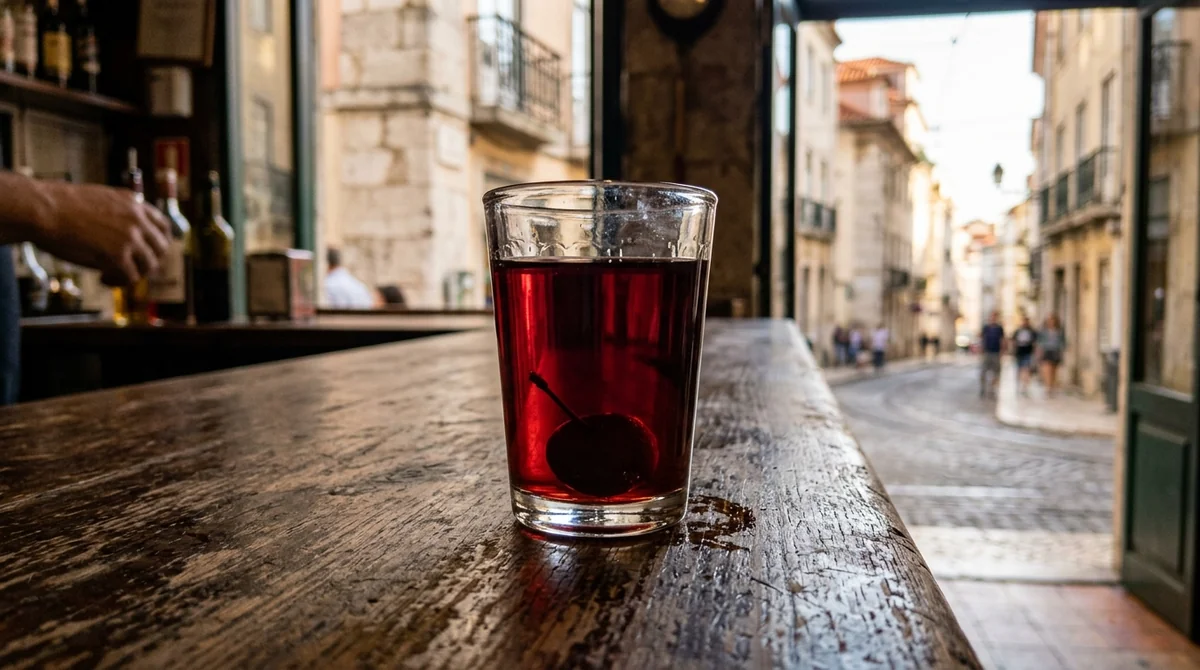
You will spot the tiny ginjinha bars around Lisbon’s squares, a knot of people on the pavement with little plastic cups. This guide explains what the drink actually is, the ginja-versus-ginjinha confusion, how to order it like a local, and where to find the best of it in Lisbon and in Obidos, where our day tour includes a tasting.
Recommended tour
FULL DAY PRIVATE TOUR - ÓBIDOS & NAZARÉ
Explore Óbidos and Nazaré on this enriching and private 8-hour tour. We offer personalized hotel pick up, guidance and storytelling by Francisco Gomes, travel in an air-conditioned van, sample Ginjinha in Óbidos, and try a local seafood lunch at Nazaré. Max: 8 people.
See dates & book →What is ginjinha?
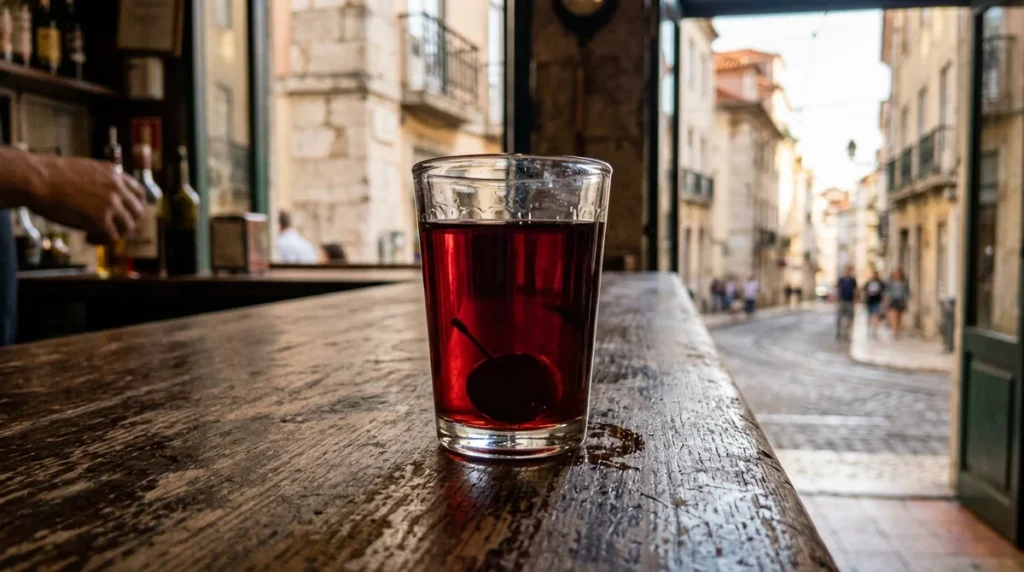
Ginjinha is a liqueur made by infusing ginja sour cherries in aguardente, a clear grape spirit, with sugar and usually a cinnamon stick or a few cloves. The cherries steep for months, giving a drink that is deep red, sweet, and around 18 to 24 percent alcohol. It is served in a small glass and sipped rather than downed.
The recipe is often credited to a Galician friar in 19th-century Lisbon, and the city has drunk it ever since. It is a dessert and a pick-me-up rather than a session drink; one or two is the local measure.
How do you drink ginjinha?
You drink it as a shot, usually standing up. The one phrase to know is what the server will ask: com elas or sem elas, with or without. It refers to the soaked cherries at the bottom of the bottle, and whether you want a couple dropped into your glass.
Where to try ginjinha in Lisbon
The most famous spot is A Ginjinha, a tiny standing bar at Largo de Sao Domingos, just off Rossio square, that has poured the drink since 1840. There is barely room to turn around; you order at the counter and drink on the pavement outside. A few doors along, Ginjinha Sem Rival does the same.
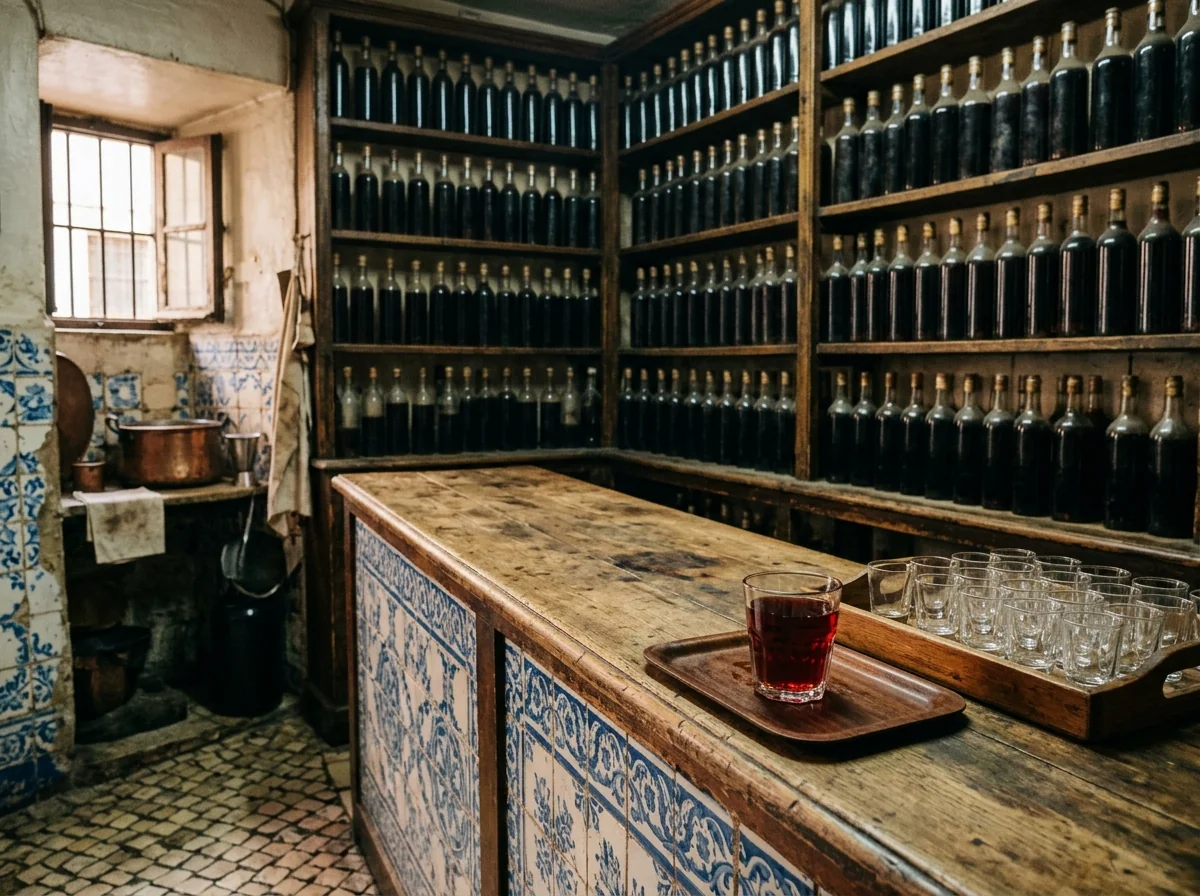
A shot costs a euro or two, which makes it one of the cheapest and most authentic things you can do in central Lisbon. It is a two-minute stop between sights, not an evening out, and it pairs well with a wander through the old town. For the wider drinks and dishes of Portugal, our guide to Portuguese food covers the rest.
Ginja de Obidos and the chocolate cup
The other home of the drink is Obidos, the walled medieval town north of Lisbon, where ginjinha is served with a twist: in a small cup made of dark chocolate. You drink the cherry liqueur, then eat the cup. It has become the signature taste of the town.
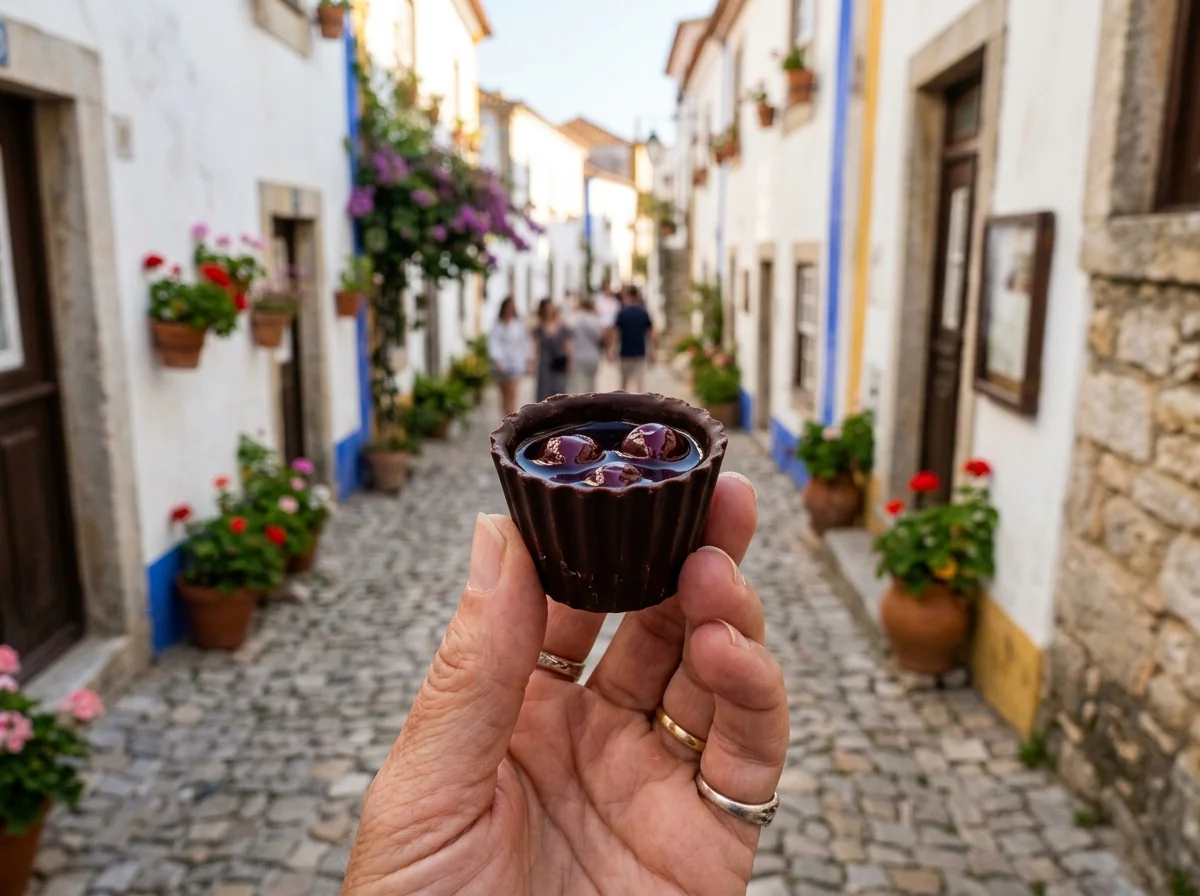
Stalls along Rua Direita, the main cobbled street through Obidos, sell it for a euro or two, and it is the single most photographed thing visitors do there. Obidos and nearby Alcobaca are the heartland of ginja, so the fruit and the drink are genuinely local here, not a tourist invention.
Taste it on an Obidos day trip
Ginjinha in a chocolate cup is best had where it belongs, in Obidos itself, as part of a day exploring the walls, the castle and the cobbled streets. Our full guide to visiting Obidos covers the town, and the best day trips from Lisbon shows where it fits.
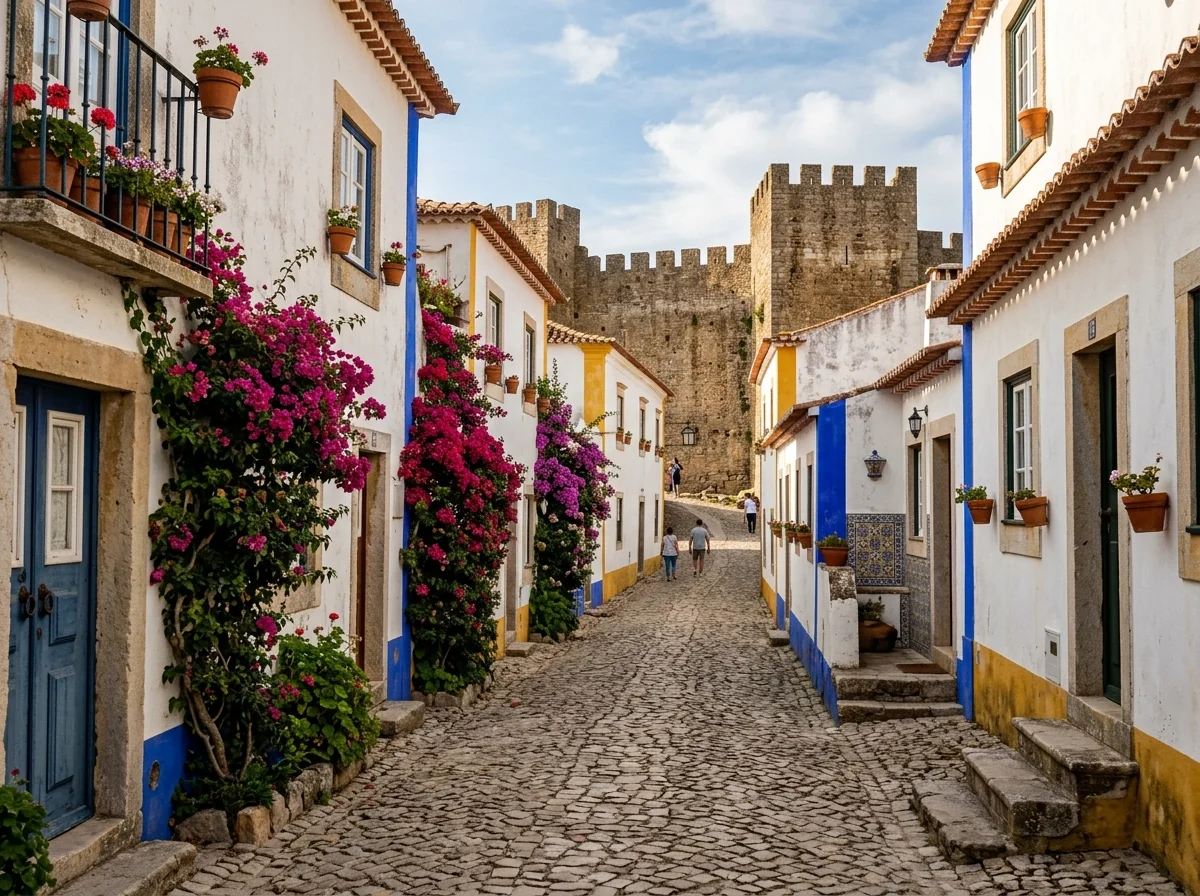
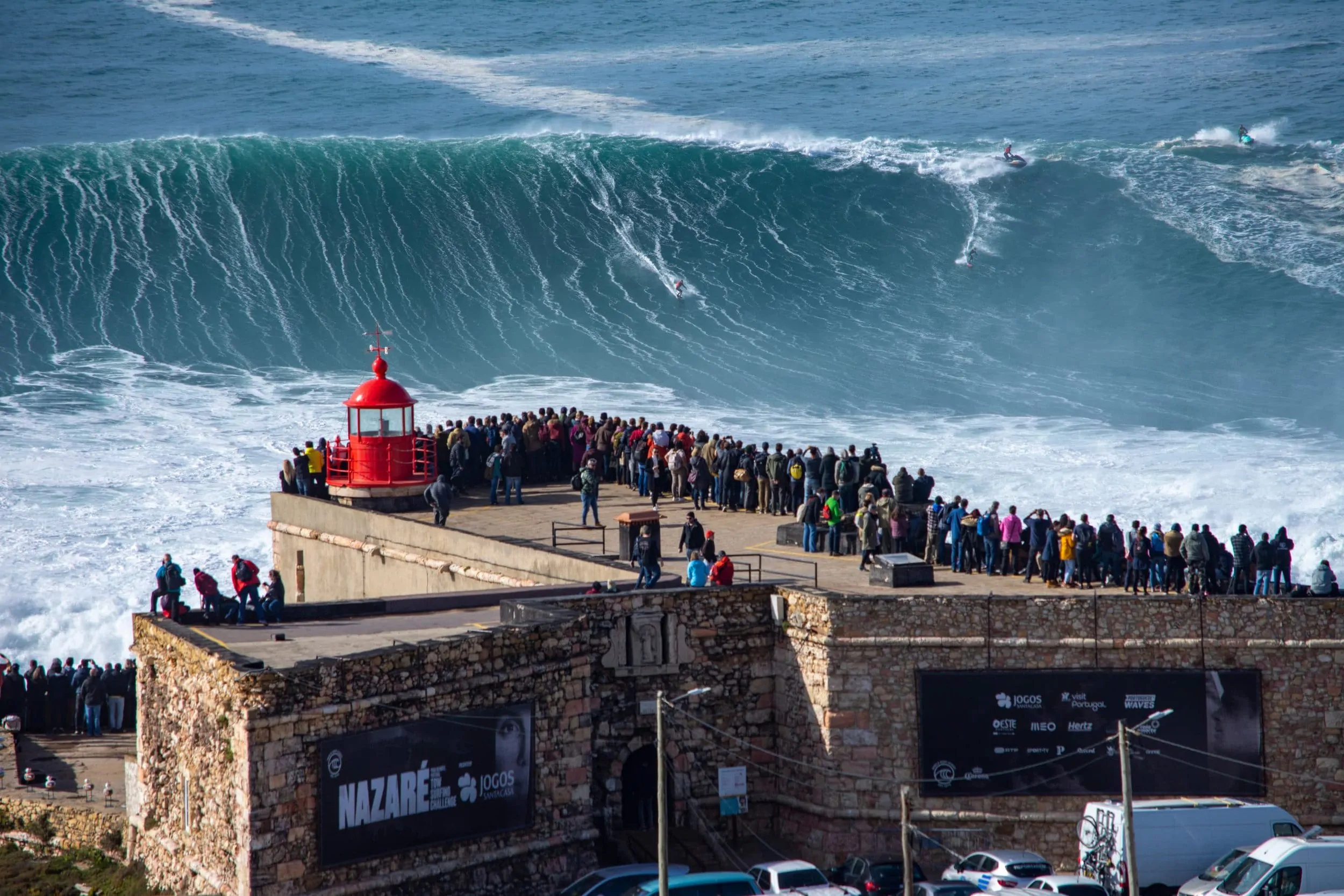
Our private Obidos and Nazare day tour includes a ginjinha tasting in the town, along with the giant waves at Nazare, so you get the chocolate-cup ritual at the source without driving or working out the bus. In December, the town becomes a Christmas market; our guide to the Obidos Christmas Village covers that season.
Recommended tour
FULL DAY PRIVATE TOUR - ÓBIDOS & NAZARÉ
Explore Óbidos and Nazaré on this enriching and private 8-hour tour. We offer personalized hotel pick up, guidance and storytelling by Francisco Gomes, travel in an air-conditioned van, sample Ginjinha in Óbidos, and try a local seafood lunch at Nazaré. Max: 8 people.
See dates & book →Frequently Asked Questions
What is ginjinha?
Ginjinha is a sweet Portuguese liqueur made by steeping ginja sour cherries in aguardente spirit with sugar, often with a cinnamon stick or a few cloves. It is deep red, around 18 to 24 percent alcohol, and drunk as a small shot. In Lisbon it is a local institution, poured from tiny hole-in-the-wall bars.
What is the difference between ginja and ginjinha?
Ginja is the sour cherry itself; ginjinha, the diminutive, is the liqueur made from it. In everyday speech Portuguese people use both words for the drink, so if a bar offers you a ginja or a ginjinha, it is the same sweet cherry shot either way.
How do you drink ginjinha?
As a small shot, usually standing at the bar. You will be asked com elas or sem elas, meaning with or without a soaked cherry in the glass. Most people take it com elas and eat the boozy cherry at the end. It is sipped slowly, served at room temperature or lightly chilled.
Where can you try ginjinha in Lisbon?
The classic spot is A Ginjinha, a tiny standing bar at Largo de Sao Domingos near Rossio, pouring since 1840. Its neighbour Ginjinha Sem Rival is another. Both are hole-in-the-wall counters where you drink your shot out on the pavement, the local way, for a euro or two.
How much does a ginjinha cost?
Around 1.50 euros for a shot, though it ranges from about 1 to 3 euros depending on the bar. In Obidos, a serving in an edible chocolate cup is a similar price. Prices drift over time, so treat these as a rough guide rather than a fixed figure.
What is the ginjinha chocolate cup in Obidos?
In Obidos, ginjinha is famously served in a small edible cup made of dark chocolate. You drink the cherry liqueur, then eat the cup. Stalls along Rua Direita, the main street, sell it, and it has become the town’s signature taste. Our Obidos day tour includes a tasting.
A small red rite of passage
Ginjinha is one of the cheapest, most local things you can do in Portugal: a sweet cherry shot at a Lisbon counter, or a chocolate cup on a cobbled Obidos street. Order it com elas and eat the cherry. To have it in Obidos as part of a proper day out, with the walls, the castle and the waves at Nazare, come with Francisco on our private day tour.


-
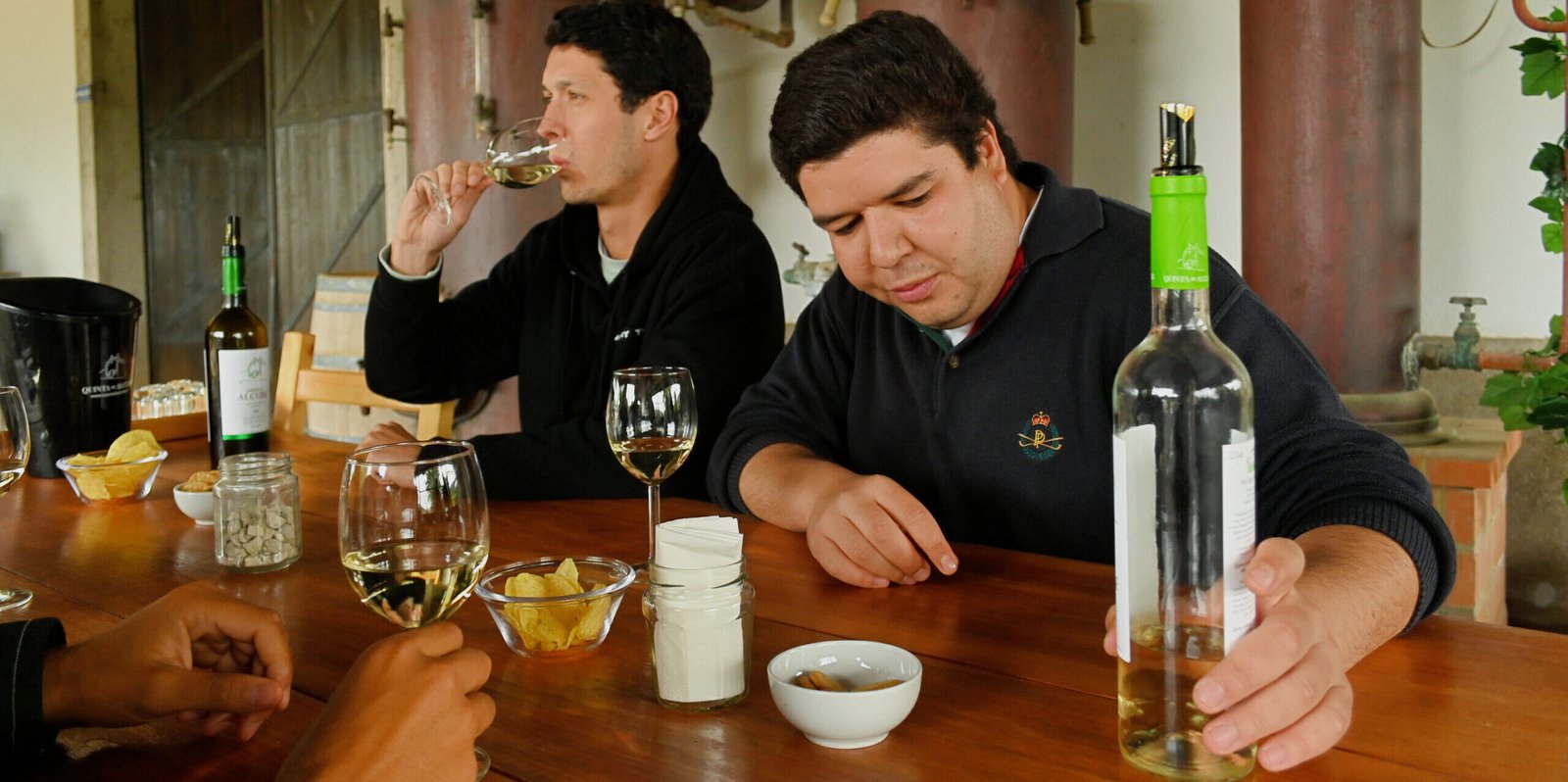
FULL DAY PRIVATE TOUR - WINE TASTING + SESIMBRA & ARRÁBIDA NATIONAL PARK
From €95.00 per personBook Now