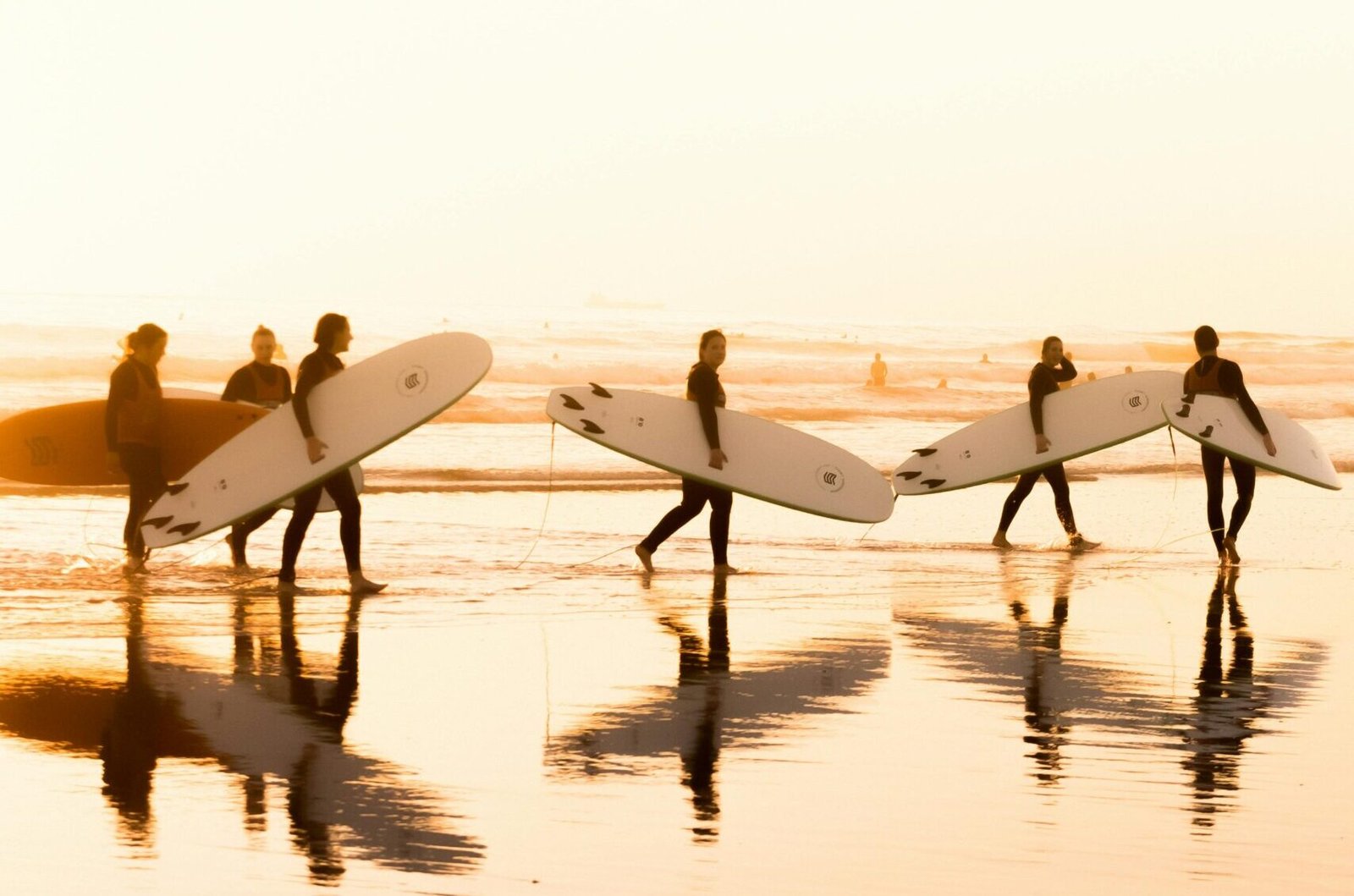

Here is the honest answer: most beginners stand up on white-water waves in their very first lesson, an hour or two in. Catching and riding unbroken green waves on your own takes longer, usually weeks to a few months of regular practice, and a common rule of thumb is around 100 hours in the water to feel genuinely competent. Surfing is quick to start and takes a lifetime to master.
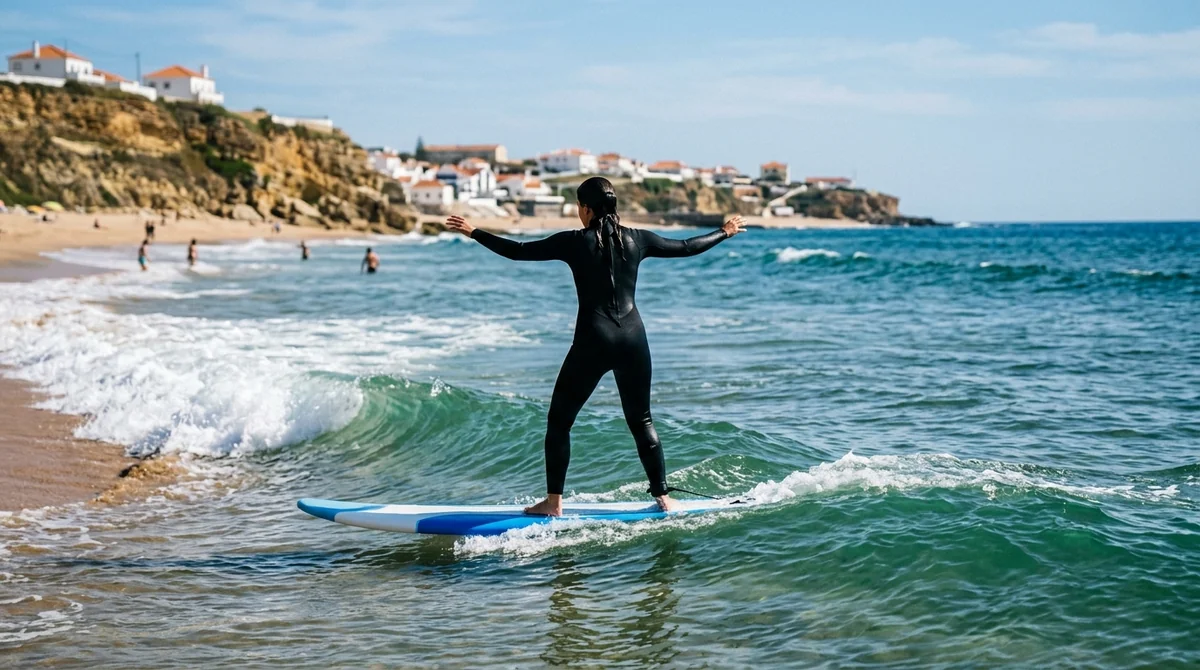
This is a professional surfer’s realistic timeline, written by Luis Perloiro, who coaches beginners every week at Carcavelos near Lisbon. It sets out the milestones session by session, what speeds your progress and what slows it, whether surfing is hard to learn as an adult, and the single fastest way to move through the frustrating early stage.
Recommended tour
PRIVATE SURF LESSON
Join a 3.5-hour private surf session at Carcavelos Beach, with daily departures from Hard Rock Café at 9 A.M. Enjoy guidance from a professional surfer (Luis Perloiro), transport in an A.C. van, surf gear, and a final drink at Tricana Beach Bar. Max: 8 people. Intensity: 7/10.
See dates & book →The short answer
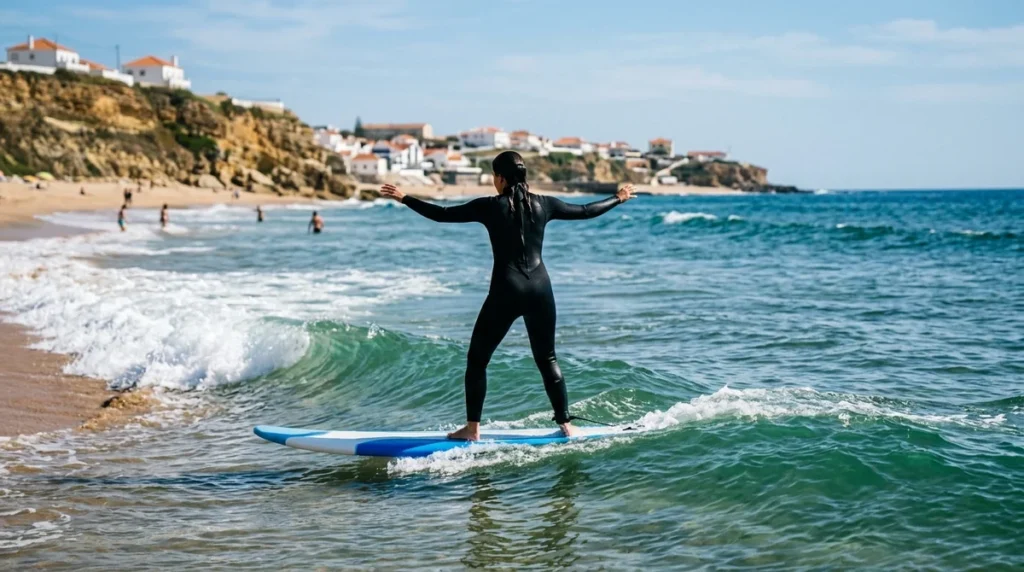
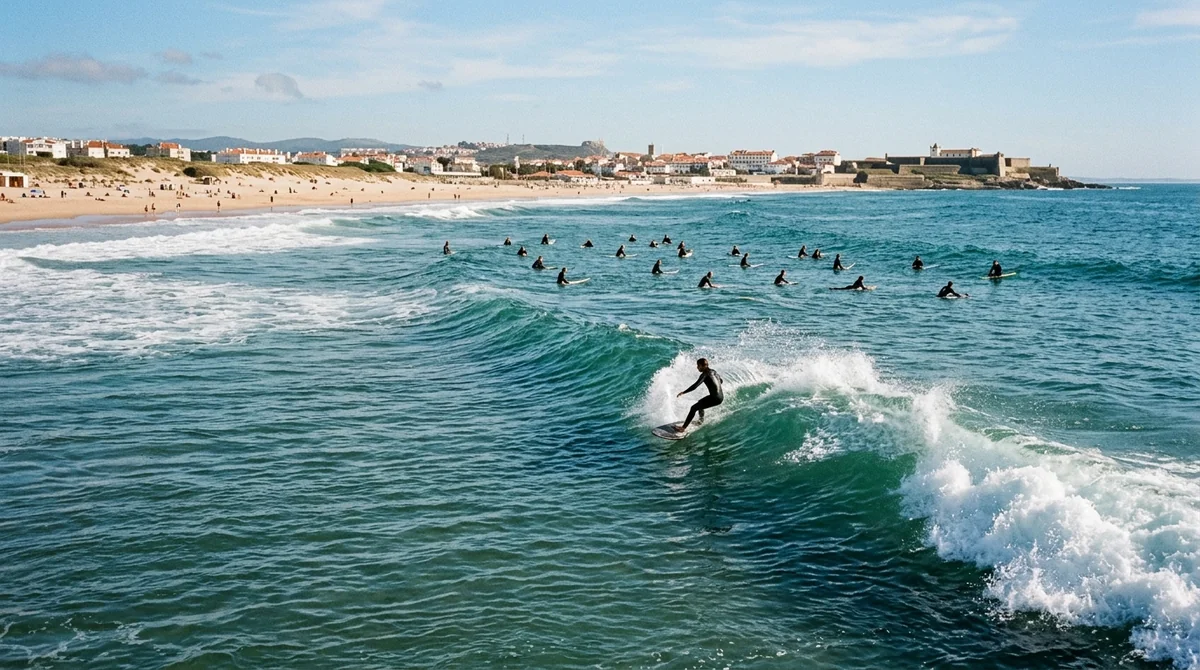
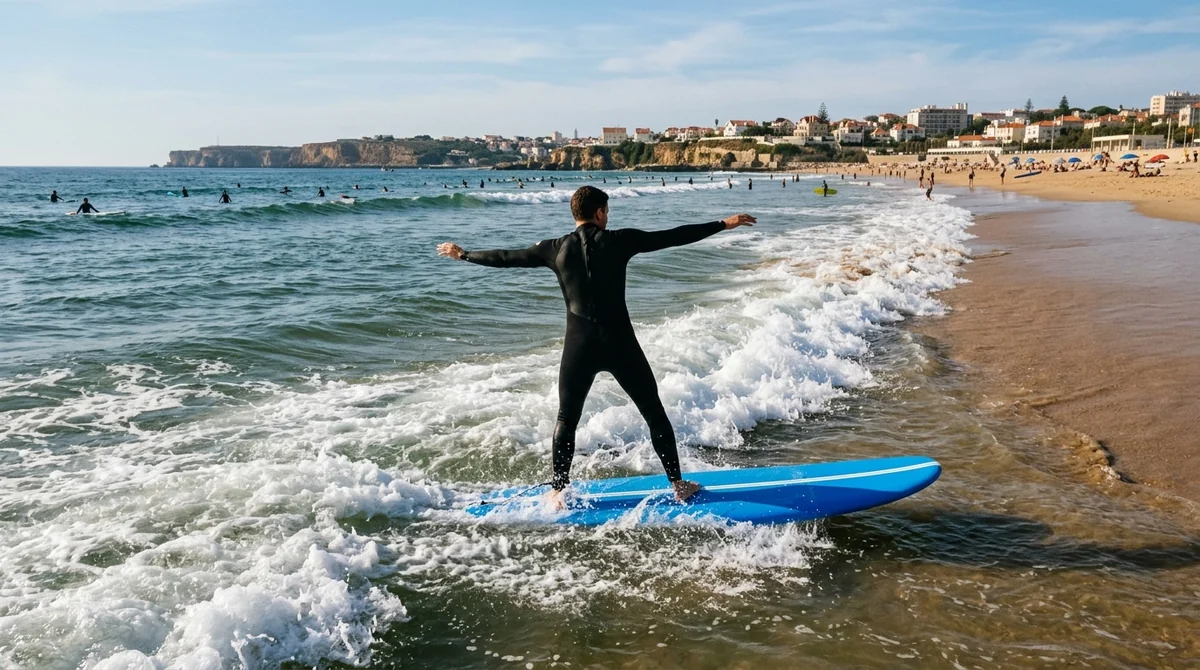
Standing up is the fast part. On a big soft board in gentle white water, with someone pushing you into the right waves, most people are riding the foam on day one. What takes real time is everything after that: reading waves, paddling into green ones yourself, and turning. That is where surfing stops being a one-day trick and becomes a skill you keep building.
A realistic timeline
Progress is not linear, but these milestones are what most beginners hit with regular practice. Treat them as a rough ladder, not a promise.
| Milestone | Typical time |
|---|---|
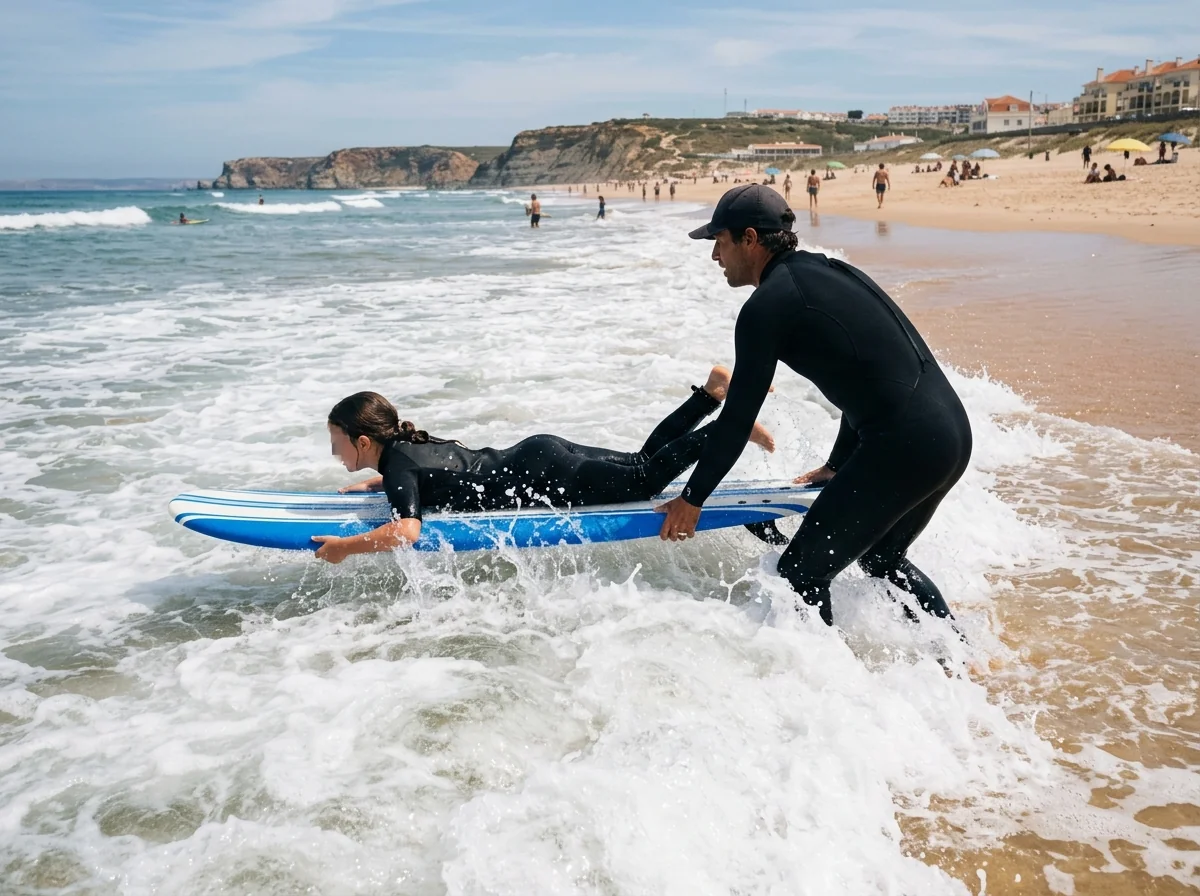
| Stand up on white water | Your first lesson, often within an hour or two. |
| Consistent on foam waves | Around 3 to 5 sessions. |
| Catch small green waves | Roughly 10 to 20 sessions, weeks to a few months. |
| Genuinely competent | About 100 hours in the water. |
| Confident intermediate | 6 to 12 months of regular surfing. |
| Advanced | Two to three years and beyond. |
Early progress can feel slow, and there is a simple reason: a beginner only spends a few seconds on their feet per session. Every wave you catch adds up, though, and the curve gets steeper as the pop-up becomes automatic. Our guide to the pop-up covers the move that unlocks the most progress.
What speeds it up, and what slows it down
Two people can start on the same day and be months apart a year later. The difference is almost always these factors.
- Speeds you up: lessons and coaching, surfing often (twice a week is ideal), the right big soft board, a gentle beginner-friendly beach, and basic paddling fitness.
- Slows you down: a board that is too small, crowded or advanced reef spots, surfing only a few times a year, rough conditions, and no feedback on your mistakes.
Is surfing hard to learn?
It is easy to begin and genuinely hard to master, which is a big part of the appeal. The hardest single element for beginners is not balance but paddling and wave timing: getting into the right position and matching the wave’s speed. Once that clicks, standing up follows.
Age is rarely the barrier people fear. Plenty start in their forties, fifties and beyond and progress happily; surfing, now an Olympic sport, rewards patience and time in the water far more than youth or raw athleticism. If you can swim and stay calm in the sea, you can learn.
The fastest way to progress
Across every source and every surfer, the two things that most compress the learning curve are the same: quality instruction and the right gentle beach. A coach removes the guesswork, positions you, and corrects the mistakes that otherwise take months to notice on your own.
That is exactly why a lesson pays off. Carcavelos, our home beach near Lisbon, is a mellow, sandy, beginner-friendly break, and a structured session there with Luis turns weeks of trial and error into first-session stand-ups. Read our full how to surf guide and our guide to surfing in Lisbon for the bigger picture.
Recommended tour
PRIVATE SURF LESSON
Join a 3.5-hour private surf session at Carcavelos Beach, with daily departures from Hard Rock Café at 9 A.M. Enjoy guidance from a professional surfer (Luis Perloiro), transport in an A.C. van, surf gear, and a final drink at Tricana Beach Bar. Max: 8 people. Intensity: 7/10.
See dates & book →Frequently Asked Questions
Can you learn to surf in one day?
You can learn to stand up and ride white-water waves in a single day, and most beginners do exactly that in their first lesson. What you will not do in one day is master paddling into unbroken green waves, reading the ocean, or turning. Those take weeks to months of regular practice, but the first thrill really does come on day one.
Is surfing hard to learn?
Surfing is easy to start and hard to master. Standing up on foam waves comes quickly, often in the first lesson. The genuinely hard parts are paddling, timing your entry into a wave, and reading the ocean, which take time and repetition. It is challenging in a rewarding way rather than discouraging, especially with good coaching.
How many surf lessons do you need?
One good lesson is enough to stand up and enjoy white-water waves. To become reasonably independent, catching your own small green waves and staying safe, most people benefit from around three to five lessons or guided sessions. After that, regular solo practice is what keeps you improving.
How long does it take to stand up on a surfboard?
Usually within the first lesson. On a large soft board in gentle white water, with an instructor pushing you into the right waves, most complete beginners get to their feet in the first hour or two. Making the pop-up smooth and repeatable takes a few more sessions of practice.
Can you learn to surf at 40 or older?
Absolutely. Many people take up surfing in their forties, fifties and later and progress steadily. Surfing rewards patience, regular practice and comfort in the water far more than youth or athleticism. As long as you can swim and feel calm in the sea, age is rarely a real barrier to learning and enjoying it.
What is the fastest way to learn to surf?
Take lessons, surf as often as you can (around twice a week is ideal), use a big soft beginner board, and choose a gentle, sandy, beginner-friendly beach. A coach on the right beach compresses months of trial and error into a handful of productive sessions, which is why a structured lesson is the fastest start.
Start now, enjoy it for life
You can be standing on a wave this week and catching green waves within a couple of months, then spend years getting better and loving every session. The single best thing you can do is start with a coach on a gentle beach. Book a lesson at Carcavelos with Luis and skip straight past the slow, frustrating part.


-
FULL DAY PRIVATE TOUR - WINE TASTING + SESIMBRA & ARRÁBIDA NATIONAL PARK
From €95.00 per personBook Now